


For generations tea has been a part of daily life in many cultures. Some blends offer refreshment, while others may bring calm. One such blend is Soursop leaf tea. It is made from the Annona muricata or guanábana tree leaves. It has a long history of being used for health benefits. Loved for centuries for its earthy, calming flavor, this brew offers a long tradition of everyday use.
Some research suggests its potential to support immune function, support a health and wellness, and provide antioxidants. But, like any herbal tea, risks like neurotoxicity require caution.*
This guide explains the science behind the benefits of soursop leaf tea, the safety information you must know, and how to make perfect soursop tea.
Key Takeaways
| Aspects | Overview |
| What It Is | Soursop leaves tea, from the Annona muricata or graviola tree. A tropical plant has been used for many years. |
| Flavor & Taste Profile | Earthy, calming taste; enjoyed hot or chilled, often with honey or lemon. |
| Key Compounds | Annonaceous acetogenins, flavonoids, vitamin C, potassium, and magnesium.* |
| Soursop Leaf Benefits (Quick Facts) |
|
| Risks & Safety | Contains annonacin, which has been linked to potential neurological effects; avoid high doses. Do not use if pregnant or nursing.* |
| Research Status | Contains acetogenins that researchers are studying in the lab; intended for general wellness. Soursop tea is a food and dietary supplement for everyday wellness.* |
| Dosage & Use | 1-2 cups/day (max 2); cycle use (6-8 weeks on, 1-2 weeks off); consult your doctor if you take prescription medication. |
| Preparation | Gently rinse 3 whole soursop leaves, then add to 8 ounces of freshly boiled water. Cover and steep for 10–15 minutes, then strain before use. |

How to Prepare Soursop Leaf Tea?
Making soursop or graviola tea is simple. Here is how to make soursop tea
- Gently rinse 3 whole dried soursop leaves with water.
- Add the leaves to 8 ounces (1 cup) of freshly boiled water.
- Steep: Cover and steep for 10 to 15 minutes.
- Strain the liquid into a cup.
- Enjoy it hot or chilled.
Soursop’s Key Compounds
Soursop tea’s potential health benefits come from its rich phytochemical profile. Soursop leaves contain several bioactive compounds.
- Annonaceous Acetogenins: Although, these natural compounds are mainly found in the Annonaceae family of plants, including soursop. They are researched for their potential applications in labs.*
- Flavonoids: These antioxidants help support the body against everyday oxidative stress.*
- Vitamins and Minerals: Soursop leaves contain vitamins and minerals, including potassium, magnesium, and phosphorus.*
Combining these compounds contributes to the tea’s overall effects on the body.
Read More: Guide to Soursop Leaves, Bitter, Powder Benefits, Uses
8 Benefits of Soursop Tea

Soursop tea leaves may offer a few benefits. Let’s see what is soursop tea good for
1. Rich in Antioxidants*
Soursop leaves contain antioxidants, particularly flavonoids. These compounds may help support the body against everyday oxidative stress.*
2. Supports the Body’s Natural Balance*
Some preliminary research suggests that compounds naturally found in soursop leaves (la hoja de guanábana) may help support the body’s natural balance and overall wellness.*
Read More: Soursop Bitters Benefits and Effects
3. Supporting Cardiovascular Health*
Soursop leaves contain essential electrolytes that may help support fluid balance and maintain healthy blood pressure levels already within the normal range. However, it’s best to consult professional if you have any blood pressure concerns.*
4. Metabolic Support*
May help support healthy blood sugar levels already within the normal range. Please consult your doctor before use if you have blood sugar concerns.*
5. Traditionally Used for Health & Wellness*
Soursop leaf has a long history of traditional use in botanical wellness practices. Researchers continue to study soursop leaf extracts and their naturally occurring compounds.*
6. May Support Immune Health*
Traditional use suggests immune benefits. Vitamin C content may help support the body’s natural defenses and immune resilience.*
7. Traditional Digestive Use*
Compounds from Soursop are traditionally used to support a healthy gut environment.*

Learn More: How to Make Soursop Fruit Drink
8. Support Digestive Health*
Graviola leaf tea is traditionally enjoyed for digestive comfort, traditionally used to support stomach comfort and digestion.*
Soursop Tea Side Effects
While soursop tea is a natural product, but it comes with some health concerns too. This section covers critical safety information you should know.
- Neurological Risk: Soursop leaves contain annonacin. Long-term, high-dose use is not recommended as it has been linked to potential neurological effects. Do not use if you have Parkinson’s disease or another movement disorder.*
- Blood Pressure: Speak with your healthcare provider before use if you take prescription medication. Consult your doctor if you have low blood pressure or take medication.*
- Pregnancy: Do not use if pregnant or nursing.*
- Drug Interaction: Soursop may interact with certain medications, such as prescription medicines. Always consult a healthcare provider before use.*
Summary
Soursop leaf tea may offer everyday wellness support.* From everyday antioxidant support to supporting healthy blood pressure levels already within the normal range. However, using this powerful plant, you need to use in moderate amount.
By understanding its scientific properties and being aware of the critical safety considerations, you can enjoy this unique brew as a thoughtful addition to a healthy, balanced lifestyle.*
*These statements have not been evaluated by the Food and Drug Administration. This product is not intended to diagnose, treat, cure, or prevent any disease.
Sources
- Phytochemical analysis and antioxidant activity of soursop leaf extract (Annona muricata Linn.) – Research Gate.
- Soursop (Annona muricata) Properties and Perspectives – PubMed Central.
Frequently Asked Questions (FAQ)
Do not exceed 2 cups a day, in 6 to 8 week cycles. Conversely, long-term, high-dose use is not recommended due to a potential link between the compound annonacin and neurological issues.*
Free radicals are unstable molecules that contribute to oxidative stress in the body over time. They form naturally in the body or from things like pollution or smoking. Antioxidants, like those in soursop leaves, stop them by stabilizing them, protecting your health.*
Rather than using whole soursop leaves, similarly you can use soursop loose leaf tea (cut and sifted) or soursop tea bags.
The primary safety concerns include a potential link to neurological issues due to the neurotoxin annonacin, a risk of lowering blood pressure, and possible interactions with certain medications. Furthermore, pregnant women should avoid soursop tea.*
As general buying criteria for any brand, before buying soursop tea leaves, check where the leaves come from, how they were dried and processed, whether the seller shares the full ingredient list, and whether the product is third-party tested.

Columbus Day 2026: History, Plants of the Columbian Exchange
Many foods and herbs we use today including chili peppers, cacao, vanilla, tomatoes, and potatoes,...
Oct

Vitamin C Powder: Forms, Dosage, Safety, and How to Choose
Vitamin C powder is a dissolvable supplement that is usually made with ascorbic acid or...
Oct

Goldenseal Root: Uses, Dosage, Safety & How to Buy It
What Is Goldenseal Root? Goldenseal root is a bitter yellow herb with a long history...
Oct
Andrographis Paniculata: Benefits, Herb Profile, Uses, Dosage & Safety
Andrographis paniculata is a bitter medicinal herb from the Acanthaceae family, often called “King of...
Sep

Patriot Day: History, Facts, and 9/11 Remembrance
Patriot Day is a day of remembrance. It is held every year on September 11th...
Sep

Olive Leaf: Benefits, Active Compounds, and How to Use It
We all use or have heard about olive oil. But did you know that the...
Sep
Labor Day Sale: Fresh Fall Botanicals
Update: The Herb To Body Labor Day 2026 sale ended on Monday, September 7, 2026,...
Sep
Astragalus Root: Benefits, Uses, Dosage & Safety
Astragalus root, also known as huang qi, comes from a plant in the pea family...
Aug

What Is Echinacea: Benefits, Active Compounds, Types, Uses and Who Should Avoid It?
When the cold season arrives, many people add a traditional botanical such as Echinacea to...
Aug

Elderberry (Sambucus nigra): What It’s Used For, Potential Benefits & Safety
Every autumn, the same scene plays out – someone at home starts sniffling. Through the...
Aug

Immune Supporting Herbs: Forms, Uses & Safety Guide
What is an Immune Support Herb? An immune-support herb is a plant traditionally used for...
Aug

Back to School Wellness: A Routine for the Whole School Year
The first bell of the school year changes a household’s routine overnight. Bedtimes shift earlier,...
Aug
Herbs for Women: Traditional Uses, Research Notes and Safety
Many women wellness seekers search for simple herbs to add to a daily routine. Some...
1 Comment
Aug

Oat Straw Tea: Benefits, Uses & How to Brew and Use Perfectly?
What Is Oat Straw Tea? Oat straw tea is a mild herbal tea made from...
Jul
Shikakai Powder: Benefits, Active Compounds, Uses and Safety
Long before bottled shampoo existed, people in South Asia reached for a dried legume pod...
Jul

Mugwort Tea: Benefits, Brewing, Flavor & the Safety Concern No One’s Telling You
Mugwort tea (Artemisia vulgaris), also known as the “Mother of Herbs,” holds a storied place...
Jul

Wormwood Herb: Benefits, Side Effects, Uses, Compounds & More
Wormwood (Artemisia absinthium) is one of the most famous and intensely bitter herbs in traditional...
Jul

Wheatgrass Juice Powder: Benefits, Nutrients, Uses, Taste Comparison & Buying Guide
In a perfect world, we’d all eat fresh greens every single day. But reality hits...
Jul
Yerba Mate: What Is It, Benefits, Caffeine Amount, and How to Make It
Yerba mate is a traditional caffeinated beverage from South America made from the dried leaves...
Jul

Alligator Pepper: Flavor, Uses, Botanical Profile, Substitute and Buying Tips
If you heard the name “alligator pepper,” what comes to mind? Is it the same...
Jul

Green Black Walnut Hull & Extract (Juglans nigra): Benefits, Uses & How It Differs
When you’re looking for black walnut hull, you quickly notice two very different products. One...
Jul

Fourth of July 2026: History, Traditions, and a Safe, Fun Day
The Fourth of July is easy to picture. The grill is going. Music is playing....
Jun

When Is Juneteenth 2026? Meaning, History, Colors & Herbal Deals
Many people know Juneteenth is a holiday, but they don’t know what to do. They...
Jun

Tongkat Ali Honey: Benefits, Taste, Uses & How to Take
Tongkat ali honey is honey mixed with tongkat ali root (Eurycoma longifolia, also called longjack)....
Jun

Best Father’s Day Gifts 2026 for a Health-Minded Dad
Most dads rarely ask for anything for themselves. They say “I’m fine” while rubbing a...
Jun
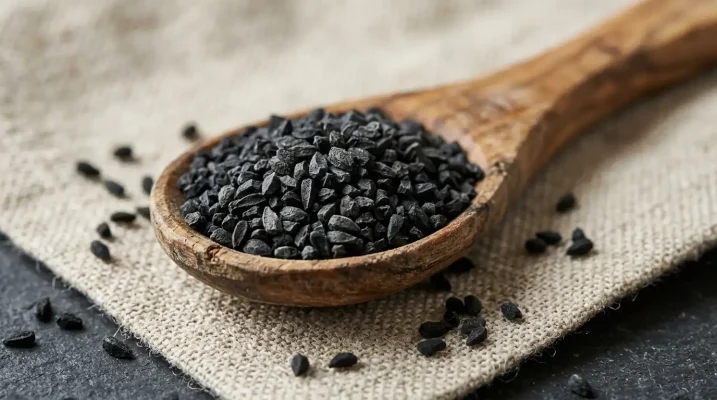
Black Seed (Nigella sativa): Compounds, Uses & Safety
Black seed is a versatile herb available year-round. It can be used in cooking, added...
Jun

Shilajit: What It Is, How It Works, and How to Choose the Right Form?
Shilajit is a natural mineral resin. It forms in high-altitude mountain ranges, mainly the Himalayas,...
Jun

Prekese (Aidan Fruit): Benefits, Active Compounds, Uses & Safety Guide
Prekese (Tetrapleura tetraptera) is a flowering tree in the Fabaceae (legume) family. It grows in...
May
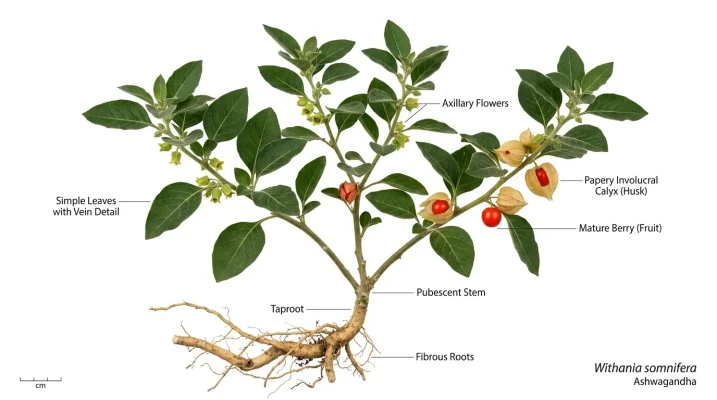
Ashwagandha (Withania somnifera): Benefits, Dosage & Safety Guide
Ashwagandha is a small woody shrub. It grows in dry regions of India, northern Africa,...
May

Substitutes for Cayenne Powder (Heat Levels, Ratios & When to Use Each)
Cayenne pepper is a staple spice in many cuisines because it adds sharp heat without...
May

Calendula Flower: What It Is, How to Use It & What Science Says
While many recognize the bright orange petals of Calendula officinalis (Pot Marigold), its role in...
May

Mother’s Day 2026: Natural & Herbal Gifts Moms Will Truly Love
Most gifts collect dust after a few days. Botanicals get used every day. If your...
May

What Is Cinco De Mayo Celebrated For: Meaning, History, Food Idea & 2026 Celebrations
What is Cinco de Mayo? Cinco de Mayo means “the fifth of May” in Spanish....
May

Best Sea Moss to Buy in 2026: Forms, Species & Quality
Sea moss is one of the most popular sea vegetables on the market. But the...
Apr

Green Sea Moss: Nutrition, Benefits & Safety Guide (2026)
Marine superfoods have become very popular, but green sea moss is often misunderstood because of...
Apr

How to Take Soursop Bitters: Dosage, Timing & What to Expect?
Soursop bitters are a popular herbal tonic, and many people use them as part of...
4 Comments
Apr

What Is Moringa Good For: Benefits, Types, How to Use It & Buying Guide
Moringa is a plant. It grows fast in warm climates, and people have used it...
Apr
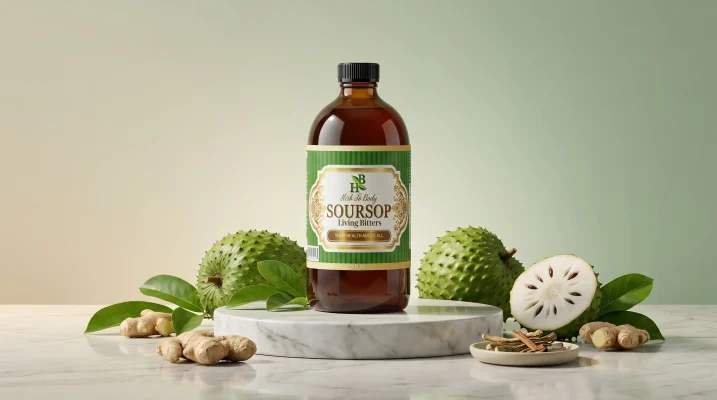
How Long Does Soursop Bitters Take to Work?
Many people notice changes in their digestion within the first week of using soursop bitters....
Apr

How To Check Real Sea Moss: 5 Ways to Check Before You Buy
You’ve probably noticed sea moss gel, capsules, and powder popping up everywhere lately. With this...
2 Comments
Apr

Sea Moss Gel vs. Capsules vs. Powder vs. Bitters: Which Form Is Right for You?
Not sure which sea moss form to pick? This guide breaks down gel, capsules, powder,...
Apr
Disclaimer: *These statements have not been evaluated by the Food and Drug Administration. This product is not intended to diagnose, treat, cure or prevent any disease.