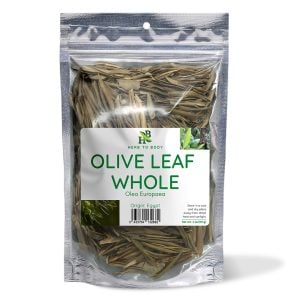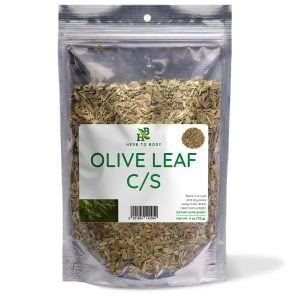


Herbs, Immune Supporting Herbs, Olive
Olive Leaf: Benefits, Active Compounds, and How to Use It
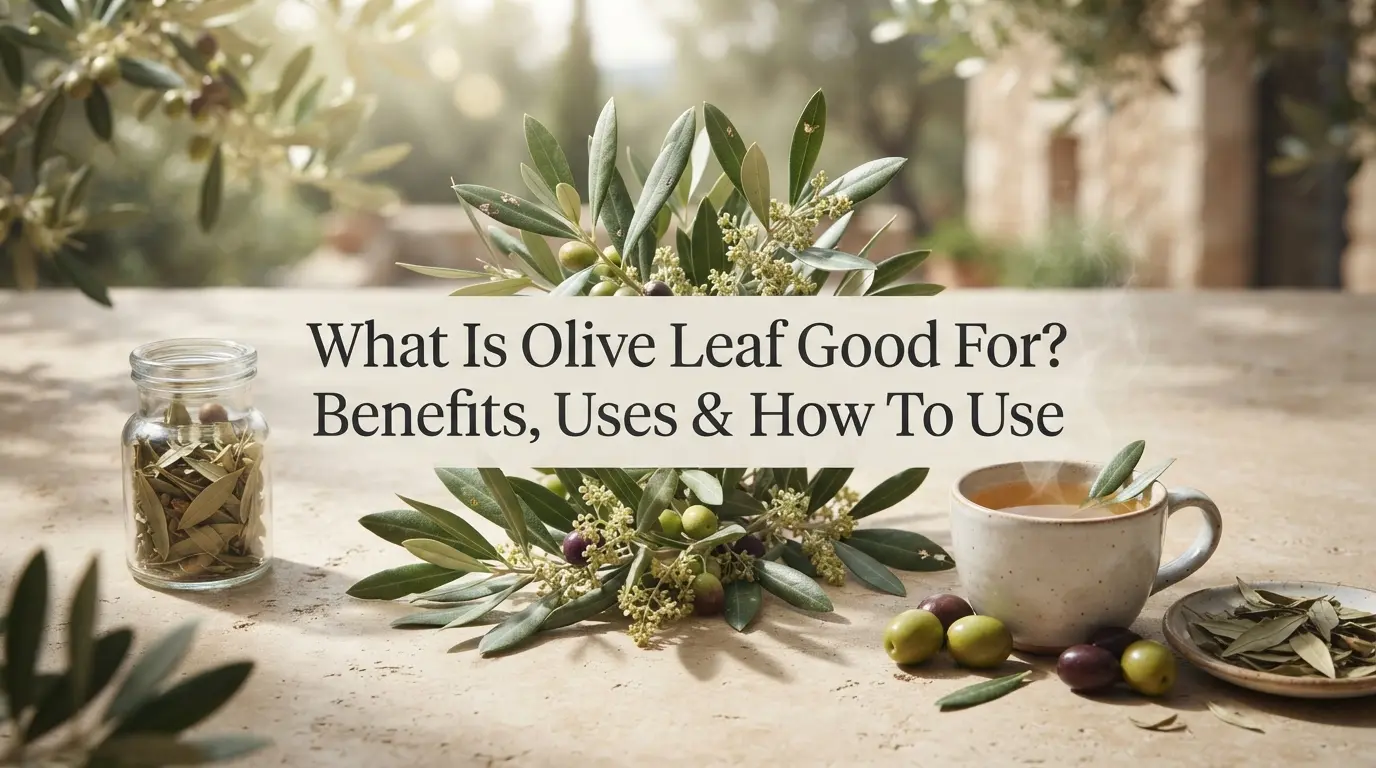
We all use or have heard about olive oil. But did you know that the olive leaf, which comes from the same tree, may also have some amazing benefits? In fact, olive leaves contain natural plant compounds that researchers have studied for their potential health benefits. For thousands of years, people around the Mediterranean have used olive leaves as a traditional herbal preparation.
Today, you can find olive leaf in different forms like capsules, liquid drops, and teas. Many people take because of several reasons. We will try to walk through the plant, its compounds, and the research-backed picture of what the leaf may do. Let’s keep it plain and useful. No hype, no promises, just what the science and tradition actually say and found.
What Is Olive Leaf?
Olive leaf comes from the olive tree (Olea europaea), the same tree that gives us table olives and olive oil. But instead of using the fruit, we use the green leaves from the branches. This small difference matters because the leaves contain different – and often stronger – natural compounds than the fruit.
For thousands of years, people around the Mediterranean have used olive leaves as both food and medicine. They made teas from the leaves, chewed them fresh, and even applied them to the skin. Ancient Egyptians valued them, and olive leaves became a symbol of health and strength in many traditional cultures
Because olive leaf has been used safely for so long, scientists began studying what makes it special. Today, you can find it as dried leaves for tea, liquid extracts, and capsules, olive leaf extract.
Olive Leaf vs Olive Oil: What’s the Difference?
This is a common mix-up, so it’s worth clearing up early. Olive oil is pressed from the fruit of the olive tree. The leaf, by contrast, is a separate part with its own chemistry and its own uses.

| Feature | Olive Leaf | Olive Oil |
| Plant part | Leaves from the branches | Fruit (olives) pressed into oil |
| Main use | Tea or supplement for antioxidants | Cooking and food |
| Primary Active Compounds | Oleuropein, Flavonoids, Hydroxytyrosol | Oleic Acid (Omega-9), Hydroxytyrosol, Tocopherols |
| Key compound | High in oleuropein (a powerful polyphenol) | Contains oleuropein, but at much lower levels |
| Best for | Supporting heart, immunity, and antioxidant needs | Healthy fats for meals |
| Flavor Profile | Strongly bitter, grassy, astringent | Fruity, peppery, smooth |
Both come from the same tree, but they are not the same product. If you want more oleuropein and other leaf polyphenols, olive leaf is a richer source.
The Active Compounds Inside
Olive leaf is rich in polyphenols, a diverse group of plant antioxidants that help protect plants.
The key compound in this leaf is oleuropein. This bitter polyphenol contributes to the leaf’s sharp taste and is the main focus of research. Since oleuropein is present at higher levels in the leaves than in the fruit, the leaves have become the primary source for this compound.
2ndly, Hydroxytyrosol is a polyphenol closely associated with oleuropein and is extensively studied for its antioxidant properties.
Flavonoids also play a role in enhancing the plant’s overall antioxidant capacity. Together, these three groups form the foundation of what makes the leaf so intriguing.
In summary, oleuropein and its related polyphenols may help neutralize free radicals – reactive molecules that contribute to everyday oxidative stress in the body. This antioxidant action is a common theme in research on these compounds.
What Is Olive Leaf Extract Good For: Potential Health Benefits Of Olive Leaf
Olive leaf is a botanical supplement, not a medicine. It supports the body’s normal functions but does not cure or treat diseases. Results vary from person to person.
May Provide Antioxidant Support: The polyphenols in the leaf, led by oleuropein, may help the body counter free radicals and reduce everyday oxidative stress at the cellular level.*
May Provide Circulatory and heart support: Oleuropein studied for its role in normal circulatory function, and it may help maintain blood pressure already within a healthy range.*
Immune support: The leaf’s antioxidants may support seasonal wellness, especially during cold months.*
Healthy metabolism: Olive plant compounds could potentially support glucose metabolism that is already within a normal range.*
Metabolic support already within a normal range: Olive leaf compounds may support normal glucose metabolism.*
Everyday cellular defense: Flavonoids and hydroxytyrosol add extra antioxidant protection for cells.*
Each of these areas is still under active study. Some findings come from small human trials, while others rest on lab or animal. Think of the leaf as one helpful piece alongside good food, movement, and rest, never a replacement for care from your doctor.
Are There Side Effects To Know About?
Olive leaf is generally well-tolerated. Some people report mild effects such as:
- Stomach upset
- Headache
- Dizziness
Olive tree pollen can trigger respiratory allergies in sensitive people. Stop use and consult a provider if anything feels off.
Who Should Be Cautious With Olive Leaf?
- Anyone on blood pressure, blood sugar, or blood-thinning medication should speak with a provider first, since olive leaf may affect those areas.
- Pregnant or nursing individuals should also check before use.
- It is not intended for children under two
What Does Olive Leaf Tea Taste Like?
Olive leaf tea has a grassy, green flavor with a firm, bitter edge from the oleuropein. You may notice a faintly herbal, hay-like note. Adding a slice of lemon or a spoonful of honey can soften the bitterness nicely.
- Flavor Profile: Clean, herbal, and noticeably astringent with a firm bitter backbone driven by oleuropein content.
- Preparation Tip: Steep 1 to 2 teaspoons of dried loose leaf in hot water (190°F–200°F) for 5 to 8 minutes. Adding a lemon wheel, fresh mint, or a spoon of raw honey effectively balances the natural bitterness.
Why Choose Herb To Body Olive Leaf?
Quality is not a given with botanicals. Where the leaf grows, how it’s dried, and whether anyone tested it all shape what ends up in your cup or capsule. Here is what sets ours apart.
- Wildcrafted sourcing: Mostly wildcrafted sourced, rather than over-processed commercial farms.
- GMP-certified production: Every batch is made under GMP-certified standards, so what’s on the label reflects what’s inside.
- 3rd Party Lab-tested: Our olive leaf lab-tested for heavy metals, microbes, and active compound levels.
- Packed in the USA: Our herbs and botanicals are processed in the USA under close quality control.
- Wholesale pricing: You get quality herbs and botanicals at wholesale prices.
- Full transparency: A Certificate of Analysis backs each batch with a traceable label, because you deserve to see the proof.
Simple Usage Tips
Getting started is refreshingly simple. Still, a few pointers help you use it well and comfortably.
- Pick your form – Capsules give a measured, taste-free dose. Liquid extracts absorb quickly and let you adjust drop by drop. Tea is the gentlest, most traditional option. One study found liquid extracts led to higher oleuropein levels in the blood than capsules.
- Mind the amount – Research doses often range from 500 to 1,000 mg of extract per day, usually split into two servings. Start low and follow your product’s label directions.
- Time it with a meal – Taking olive leaf with food may ease the bitter taste and settle better in your stomach. Morning or midday works well for most people.
- Be patient – Botanicals work slowly. Give it several weeks of steady daily use before judging how well it fits your routine.
- Check first if needed – If you take medication for blood pressure, blood sugar, or blood thinners, or if you are pregnant or nursing, talk with your healthcare provider before starting.
A Leaf Worth Knowing
Olive leaf earns its long history for good reason. This modest green leaf carries a dense set of compounds like polyphenols, led by oleuropein, that researchers keep circling back to. Whether you sip it as a tea or take a measured capsule, it offers a plant-based way to add antioxidants to your day.
If you want botanical medicine you can actually trust, our wildcrafted, lab-tested leaf gives you a clean starting point at a fair price. Browse Herb To Body olive leaf, read the Certificate of Analysis for yourself, and choose the form that fits your routine.
Frequently Asked Questions (FAQ)
Olive leaf is primarily used as a rich natural source of antioxidant. Research indicates it may support normal blood pressure, normal circulatory function, seasonal immune function, and healthy blood sugar already within healthy ranges.*
Olive leaf is generally well tolerated. Some people report mild effects such as stomach upset, headache, or dizziness.*
Capsules are convenient and skip the bitter taste. Liquid extracts absorb fast, and one study found liquid produced higher oleuropein blood levels than capsules. Tea is the gentlest, most traditional option.
For most healthy adults, daily use is common and generally well tolerated. Doses in research often run 500 to 1,000 mg of extract per day. Follow your label, start low, and check with your provider if you take medication or have a health condition.*
Most people give olive leaf several weeks of steady daily use before noticing how it settles into their routine. Consistency matters more than any single dose.*
1. Boil 1 cup of water.
2. Add 1–2 teaspoons of dried olive leaves
3. Let it steep for 5–10 minutes
4. Strain and enjoy warm. You can add a little honey for taste.
Disclaimer: *These statements have not been evaluated by the Food and Drug Administration. This product is not intended to diagnose, treat, cure or prevent any disease.

Blood Sugar Support