


Events, Health Awareness
What Is Cinco De Mayo Celebrated For: Meaning, History, Food Idea & 2026 Celebrations

What is Cinco de Mayo?
Cinco de Mayo means “the fifth of May” in Spanish. The date marks one specific event: Mexico’s military victory over the French Imperial Army at the Battle of Puebla on May 5, 1862.
Today, Cinco de Mayo is a cultural celebration. It honors Mexican heritage and pride. It is especially popular in the United States, where Mexican-American communities have observed it since the 1860s.
This is not Mexican Independence Day
This holiday is often confused with Mexican Independence Day on September 16, which marks Mexico’s 1810 declaration of independence from Spain. Cinco de Mayo celebrates a different event – a battle against France 52 years later.
| Holiday | Date | What It Marks |
| Cinco de Mayo | May 5 | Mexican army’s victory at the Battle of Puebla (1862) |
| Mexican Independence Day | September 16 | Mexico’s declaration of independence from Spain (1810) |
The History Behind Cinco de Mayo
In the late 1850s, Mexico suspended foreign debt payments, prompting France under Napoleon III to invade in 1861 to expand its influence in the Americas. On May 5, 1862, Mexican forces led by General Ignacio Zaragoza defeated superior French troops at Puebla.
How Cinco de Mayo Is Celebrated?
In Mexico
Celebrations in Puebla include:
- Military parades.
- Historical reenactments of the Battle of Puebla.
- Civic ceremonies honoring General Zaragoza.
- Traditional music and dance performances.
- Local festivals and open-air markets.
It is not a federal public holiday. Schools, banks, and government offices remain open.
In the United States
In the United States, Cinco de Mayo is a large cultural event. Mexican-American communities in California began celebrating the Battle of Puebla victory in the 1860s shortly after it happened. Today, major Cinco de Mayo events take place across the country. Cities with large Mexican-American populations host some of the biggest celebrations.
US celebrations typically include street festivals, live mariachi music, folklórico dance performances, traditional Mexican food, and cultural exhibitions.
Traditional Cinco de Mayo Foods
Food plays a central role in Cinco de Mayo celebrations. Many traditional dishes trace back to the Puebla region – the site of the historic battle. Several of the most iconic drinks on the table come directly from Mexico’s rich botanical heritage.
| Food or Drink | What It Is |
| Mole Poblano | A rich sauce from Puebla made with dried chili peppers, chocolate, and spices. One of Mexico’s most complex dishes. |
| Tacos | Corn or flour tortillas filled with seasoned meats, beans, or vegetables. |
| Tamales | Corn masa dough filled with meat or cheese, wrapped in corn husks, and steamed. |
| Chiles en Nogada | Poblano peppers stuffed with spiced meat and fruit, topped with walnut cream sauce and pomegranate seeds. The red, white, and green presentation mirrors the Mexican flag. |
| Guacamole | A dip made from avocado, lime, onion, cilantro, and chili pepper. |
| Agua de Jamaica | A deep red infusion made from dried Hibiscus sabdariffa flowers, served chilled with water and a touch of sweetener. |
| Manzanilla Tea | Chamomile – called manzanilla across Mexico and Latin America – is traditionally served after heavy meals. |
*These statements have not been evaluated by the Food and Drug Administration. This product is not intended to diagnose, treat, cure, or prevent any disease.
Cultural Traditions
Mariachi Music
Mariachi bands feature violins, trumpets, guitars, and guitarrón. Originating from Jalisco, this UNESCO-recognized heritage defines Cinco de Mayo sound.
Ballet Folklórico
Dancers in regional costumes perform state-specific routines. The Jarabe Tapatío (Mexican Hat Dance) from Jalisco is the iconic national dance.
Papel Picado
“Perforated paper” decorations cut from colorful tissue hang at festivals. At Cinco de Mayo, they pair with flags, banners, and marigold garlands.
Mexico’s Botanical Traditions

Mexico has a deep herbal history shaped by Indigenous knowledge, regional food culture, and everyday household remedies. Many plants used in celebrations and cooking today have been part of Mexican life for centuries.
Jamaica: Hibiscus (Hibiscus sabdariffa)
Jamaica (pronounced ha-MY-kah) is the Spanish name for dried hibiscus flowers. Agua de Jamaica – hibiscus water is one of Mexico’s most iconic and widely consumed drinks. Hibiscus is consumed throughout Mexico year-round. It is an essential part of celebrations, street markets, and family tables.
Herb To Body’s Hibiscus powder sourced for color retention and compound density. The same quality signals that matter for the richest-tasting agua de Jamaica.
Read more about Hibiscus Flower Powder Guide
Manzanilla: Chamomile (Matricaria chamomilla)
Manzanilla is the Spanish word for chamomile. In Mexico, chamomile tea is one of the most commonly consumed herbal beverages, found in every market, pharmacy, and kitchen across the country. Mexican households have used it for generations after rich, heavy meals.
Cempasúchil and Calendula: The Marigold Connection
A popular after-meal tea in Mexican homes, often enjoyed for its soothing flavor. Calendula officinalis is the medicinal species. It contains faradiol triterpenoids, isorhamnetin flavonoids, and lutein carotenoids.
Damiana
Turnera diffusa is a Mexican herb long used in traditional herbal practice and wellness traditions. Damiana is valued for relaxation and general wellness support.*
Browse botanical supplements at Herb To Body
Celebrate with Traditional Botanicals
| Mexican Botanical | Spanish Name | Traditional Role |
| Hibiscus sabdariffa | Jamaica | Used to make agua de Jamaica, a bright red cold drink. |
| Matricaria chamomilla | Manzanilla | A common after-meal tea in Mexican homes. |
| Tagetes erecta | Cempasúchil | A festive flower used in celebrations and decorations. |
| Turnera diffusa | Damiana | A native herb used in traditional herbal practice. |
Bottom Line
Cinco de Mayo vibrantly celebrates victory and resilience. Bridging cultures as people in Mexico and the U.S. unite in perseverance. Festivities shine through community joy and traditional foods, from rich mole poblano to refreshing hibiscus water. Bringing people together to appreciate a deep and colorful heritage.
Frequently Asked Questions (FAQ)
Cinco de Mayo is Spanish for “the fifth of May.” The name refers to the date of the Battle of Puebla. When Mexican forces under General Ignacio Zaragoza defeated the French Imperial Army in the city of Puebla, Mexico.
It began as a show of solidarity for Mexico among Californians in the 1860s. In the 1980s and 90s, commercial marketing by beverage companies helped it transition into a mainstream American celebration.
Agua de Jamaica is made from dried Hibiscus sabdariffa flowers called Jamaica in Mexico. The dried calyxes are steeped in hot water, sweetened, and served chilled. The deep red color comes from anthocyanins in the hibiscus flower.
It began as a show of solidarity for Mexico among Californians in the 1860s. In the 1980s and 90s, commercial marketing by beverage companies helped it transition into a mainstream American celebration.
No. Independence Day is September 16. Cinco de Mayo commemorates a military victory over France that occurred 52 years later.
Hibiscus sabdariffa for agua de Jamaica, Matricaria chamomilla for manzanilla tea, Tagetes erecta for festival altars, and Dysphania ambrosioides in Puebla dishes.
Disclaimer: *These statements have not been evaluated by the Food and Drug Administration. This product is not intended to diagnose, treat, cure or prevent any disease.

Columbus Day 2026: History, Plants of the Columbian Exchange
Many foods and herbs we use today including chili peppers, cacao, vanilla, tomatoes, and potatoes,...
Oct

Vitamin C Powder: Forms, Dosage, Safety, and How to Choose
Vitamin C powder is a dissolvable supplement that is usually made with ascorbic acid or...
Oct

Goldenseal Root: Uses, Dosage, Safety & How to Buy It
What Is Goldenseal Root? Goldenseal root is a bitter yellow herb with a long history...
Oct
Andrographis Paniculata: Benefits, Herb Profile, Uses, Dosage & Safety
Andrographis paniculata is a bitter medicinal herb from the Acanthaceae family, often called “King of...
Sep

Patriot Day: History, Facts, and 9/11 Remembrance
Patriot Day is a day of remembrance. It is held every year on September 11th...
Sep
Olive Leaf: Benefits, Active Compounds, and How to Use It
We all use or have heard about olive oil. But did you know that the...
Sep
Labor Day Sale: Fresh Fall Botanicals
Update: The Herb To Body Labor Day 2026 sale ended on Monday, September 7, 2026,...
Sep
Astragalus Root: Benefits, Uses, Dosage & Safety
Astragalus root, also known as huang qi, comes from a plant in the pea family...
Aug
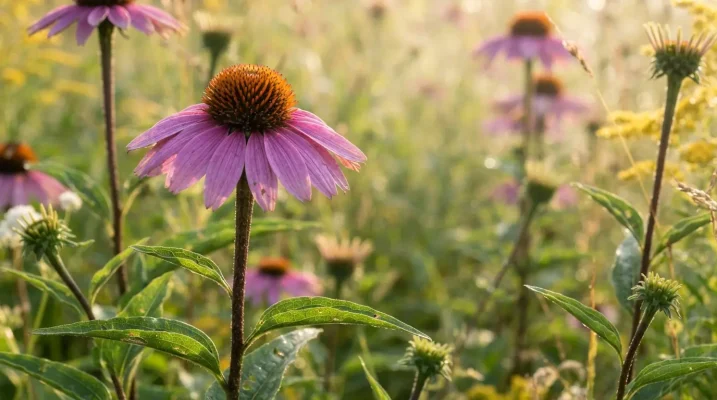
What Is Echinacea: Benefits, Active Compounds, Types, Uses and Who Should Avoid It?
When the cold season arrives, many people add a traditional botanical such as Echinacea to...
Aug

Elderberry (Sambucus nigra): What It’s Used For, Potential Benefits & Safety
Every autumn, the same scene plays out – someone at home starts sniffling. Through the...
Aug
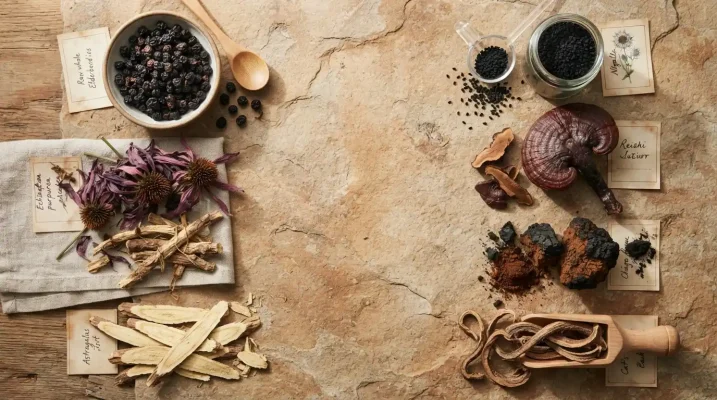
Immune Supporting Herbs: Forms, Uses & Safety Guide
What is an Immune Support Herb? An immune-support herb is a plant traditionally used for...
Aug

Back to School Wellness: A Routine for the Whole School Year
The first bell of the school year changes a household’s routine overnight. Bedtimes shift earlier,...
Aug
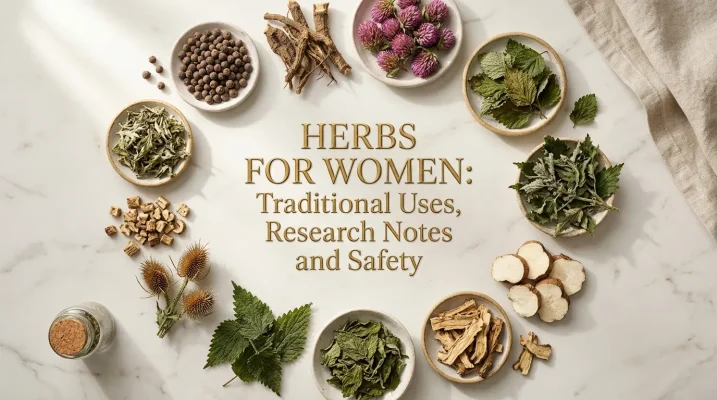
Herbs for Women: Traditional Uses, Research Notes and Safety
Many women wellness seekers search for simple herbs to add to a daily routine. Some...
1 Comment
Aug
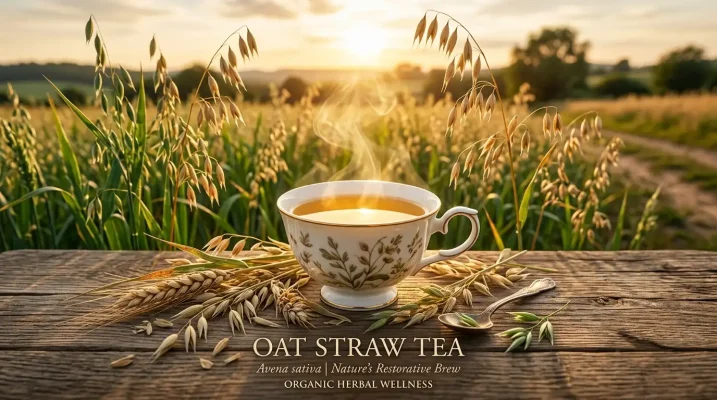
Oat Straw Tea: Benefits, Uses & How to Brew and Use Perfectly?
What Is Oat Straw Tea? Oat straw tea is a mild herbal tea made from...
Jul
Shikakai Powder: Benefits, Active Compounds, Uses and Safety
Long before bottled shampoo existed, people in South Asia reached for a dried legume pod...
Jul

Mugwort Tea: Benefits, Brewing, Flavor & the Safety Concern No One’s Telling You
Mugwort tea (Artemisia vulgaris), also known as the “Mother of Herbs,” holds a storied place...
Jul
Wormwood Herb: Benefits, Side Effects, Uses, Compounds & More
Wormwood (Artemisia absinthium) is one of the most famous and intensely bitter herbs in traditional...
Jul

Wheatgrass Juice Powder: Benefits, Nutrients, Uses, Taste Comparison & Buying Guide
In a perfect world, we’d all eat fresh greens every single day. But reality hits...
Jul