


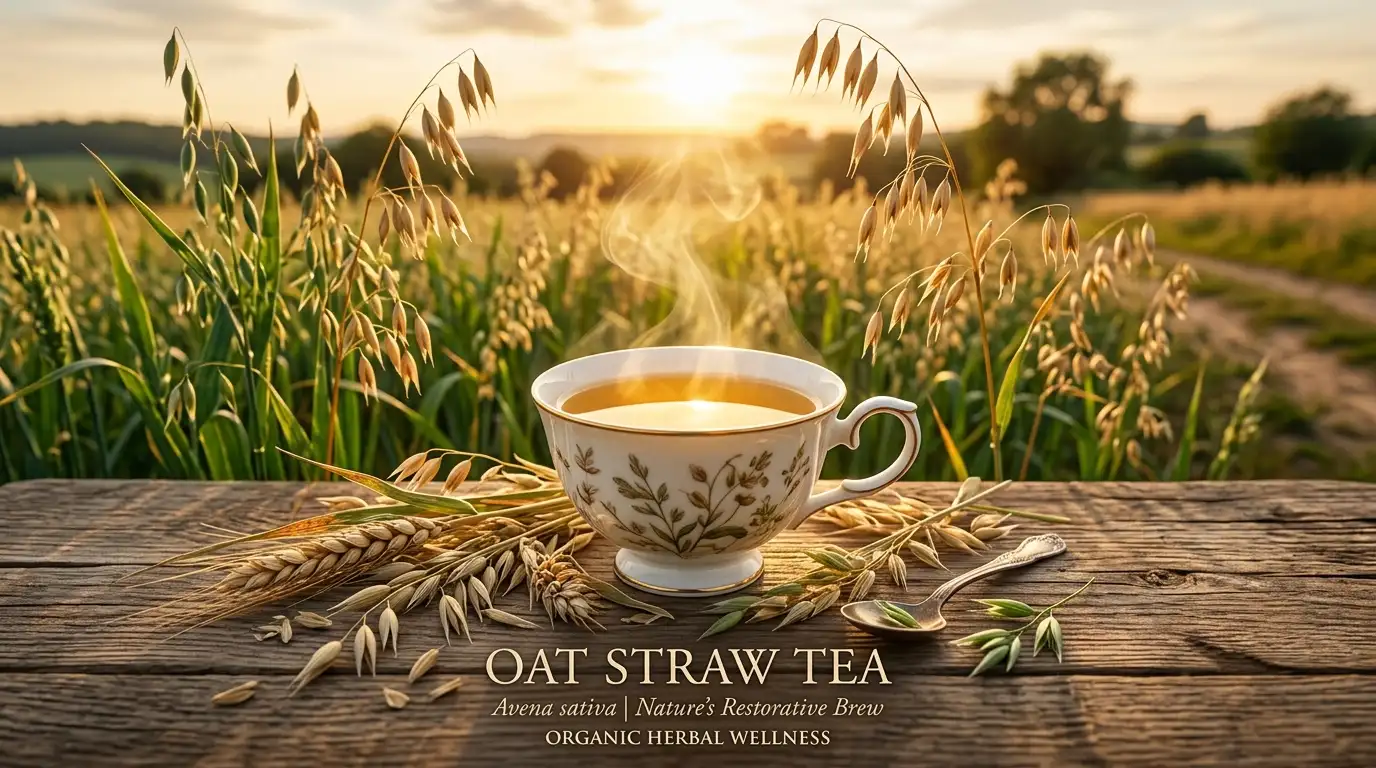
What Is Oat Straw Tea?
Oat straw tea is a mild herbal tea made from the stems and leaves of the common oat plant, Avena sativa. It has been used traditionally as a gentle daily tonic and a caffeine-free drink. Most people describe the taste as light, grassy, and slightly sweet.
Below, this guide walks through where oat straw comes from, how it differs from milky oats, its traditional benefits, brewing steps, and a few safety notes.
Quick Facts
| Attribute | Detail |
| Botanical name | Avena sativa |
| Family | Poaceae (grass family) |
| Plant part used | Green stems, leaves, and unripe tops |
| Common names | Oat straw, oatstraw, green oat, milky oats |
| Taste | Mild, grassy, lightly sweet |
| Caffeine | Naturally caffeine-free |
| Common forms | Loose tea, tea bags, tincture, extract, capsule |
| Typical use | Everyday herbal tonic |
Quick Botanical Facts
Oat Straw (Avena sativa) is the common oat plant in the grass family, Poaceae. The green stems, leaves, and aerial tops are the parts typically used for tea. Oat straw has a mild, grassy, lightly sweet taste and is naturally caffeine-free. It is commonly prepared as loose tea, tea bags, or a long infusion.
Why Do People Search Oat Straw Tea?
You may have found oat straw while searching for a calming, free of caffeine tea. Perhaps a herbalist mentioned it, or you saw “milky oats” on a label and thought if it was the same thing. Many people simply want a gentle daily drink that fits an evening routine.
Whatever brought you here, the questions tend to repeat. What is it? What is it good for? And how do you actually brew it? Let’s understand them in order.
Where Does Oat Straw Come From?
Oat straw comes from the green, above-ground part of the oat plant, harvested before the grain fully ripens. It is the dried stems, leaves, and aerial tops that herbalists steep for tea.
Because it comes from a familiar food plant, oat straw is often described as a gentle, everyday tonic herb. Many people choose it for its mild flavor and its use in long, nourishing herbal infusions.
Oat Straw Vs Milky Oats: What’s The Difference?
In simple terms, they are the same plant at different stages: milky oats are harvested early, while oat straw is harvested later and dried.

Why Oat Straw Gets Attention Lately?
Oat straw contains plant compounds that are often discussed in oat research, including avenanthramides, flavonoids, saponins, and sterols. These compounds are part of why oats are studied as a nutritionally interesting plant, even though oat straw tea is still best understood as a traditional herbal tonic rather than a medical treatment.
| Term | What it is | When harvested |
| Oat straw | Dried green stems and leaves | After the plant matures and dries |
| Milky oats | The unripe seed tops, squeezed for “milk” (the white liquid comes out when pressed) | A short window when tops release a milky sap |
| Oat tops | The unripe grain heads | The same milky stage |
So milky oats and oat straw are the same plant at different stages. Milky oat tops are harvested during a brief window; oat straw is the dried aerial parts. Both make a mild, nourishing tea.
In simple terms, they are the same plant at different stages: milky oats are harvested early, while oat straw is harvested later and dried.
Oat straw contains plant compounds that are often discussed in oat research, including avenanthramides, flavonoids, saponins, and sterols. These compounds are part of why oats are studied as a nutritionally interesting plant, even though oat straw tea is still best understood as a traditional herbal tonic rather than a medical treatment.
Oat Straw Benefits: Traditional Uses
These benefits are traditional and folk uses, not medical claims, and they help explain why oat straw is valued as a mild daily herb. Evidence in humans is still limited, so keep expectations realistic.
- A calming evening tea – since it is caffeine-free and easy to sip regularly.
- A daily nourishing tonic – Herbalists have long used it as a gentle, everyday tonic herb.
- A mineral-rich infusion – Oat straw is traditionally valued as a nutritive herb.
- A base for herbal blends – Its mild flavor pairs well with hawthorn leaf, alfalfa leaf, and other tonic herbs.
- A caffeine-free coffee alternative moment – Its grassy warmth suits people cutting back on stimulants.
Mineral & Nutrient Density
Oat straw is traditionally recognized as a bioavailable source of key minerals, including:
- Silicic Acid: Supports healthy connective tissue, skin elasticity, hair strength, and nail integrity.*
- Calcium and Magnesium: Essential minerals for neuromuscular function and bone structure.*
- Flavonoids & B-Complex Trace Elements: Support cellular metabolism and oxidative stress resilience.*
Each use may suit some people and not others. Oat straw is prized precisely because it is mild.
Quick Steep Vs. Nourishing Infusion
A quick steep works well for a light daily cup. A nourishing infusion uses more herb and a longer steep, which is why many herbalists prefer it for oat straw.
How To Brew Oat Straw Tea?
Method 1: The Standard Daily Cup (Quick Steep)
Best for a quick, calming, everyday beverage.
- Measure: Place 1 to 2 tablespoons of organic loose dried oat straw into an infuser or teapot.
- Boil: Bring 8 to 10 ounces of filtered water to a rolling boil (100 Degree Celsius/212 degrees Fahrenheit)
- Pour & Cover: Pour boiling water over the herb and cover immediately with a lid or saucer to prevent volatile active compounds from escaping into the steam.
- Steep: Allow to steep for 10-15 minutes.
- Strain & Enjoy: Strain out the plant material. Drink plain, or sweeten lightly with raw honey.
Method 2: The Overnight Nourishing Herbal Infusion (Nutrient Extraction)
Best for extracting dense minerals like silica, calcium, and trace compounds.
- Measure: Place 1 ounce (roughly 1 packed cup) of loose dried oat straw into a 1-quart (32 oz) glass Mason jar.
- Fill: Pour boiling water to the brim of the jar.
- Seal & Steep: Screw the lid tight and let it sit on the counter for 4 to 8 hours (or overnight).
- Strain & Chill: Strain through a fine-mesh sieve or cheesecloth, squeezing the plant material to extract every drop. Store the dark, nutrient-rich liquid in the refrigerator and drink within 36 hours.
What Oat Straw Tea Tastes Like?
If you have never tried it, expect something mild and easygoing. Oat straw tea is light, grassy, and faintly sweet, with a soft, smooth finish and no bitterness. It is far gentler than green tea and has no caffeine bite. That mildness is exactly why it blends so well with other herbs.
Common Forms of Oat Straw
Oat straw is available as loose dried herb, tea bags, tinctures, extracts, and capsules. For tea, loose dried oat straw is the classic option because it works well for long infusions.
- Loose dried oat straw – Best for long, nourishing infusions and custom blends.
- Tea bags – Convenient for a quick daily cup.
- Tincture – A liquid extract, often made from fresh milky oats.
- Extract and capsules – For those who prefer not to brew.
For a traditional tonic tea, loose dried oat straw steeped long is the classic choice.
How Oat Straw Tea Compares to Other Herbal Tonics
| Herbal Tea | Primary Purpose | Flavor Profile | Key Phytochemical Focus |
| Oat Straw Tea | Restorative nervine, mineral infusion | Light, sweet, grassy | Avenanthramides, Silica |
| Chamomile Tea | Acute relaxation, digestive soothe | Floral, apple-like, bitter notes | Apigenin, Bisabolol |
| Nettle Leaf Tea | Systemic tonic, seasonal support | Deeply savory, earthy, rich | Chlorophyll, Minerals, Iron |
| Lemon Balm Tea | Rapid nervous system calm, mood | Bright citrus, herbal | Rosmarinic Acid |
Is Oat Straw Tea Safe To Use?
Oat straw is generally considered gentle, since it comes from a common food plant. Even so, a few sensible notes apply.
- Gluten sensitivity: Oats are naturally gluten-free but are often processed near gluten grains. If you are highly sensitive, choose a certified product.
- Allergy: People allergic to oats or other grasses should avoid it.
- Pregnancy and medication: As with any herb, check with a clinician if you are pregnant, nursing, or taking medication.
Start with small amount like one cup to see how you feel, then adjust. Most people tolerate oat straw well as a daily tea.
If you have celiac disease or a strong gluten sensitivity, choose a certified gluten-free product because cross-contact can happen during processing.
Why You May Consider Herb To Body Oat Straw?
- Single-ingredient oat straw: Just dried Avena sativa, nothing added.
- Clear botanical labeling: The exact plant, plainly stated.
- Great for daily infusions: Ideal for long, nourishing steeps.
- Blends beautifully: Pairs with our other tonic herbs.
- GMP and Lab Tested: Manufactured in a GMP-certified facility and third-party lab tested.
Conclusion: Bringing it together
Oat straw tea is one of the gentlest herbal teas you can keep on hand. It comes from the familiar oat plant, contains no caffeine, and has a long history as a nourishing daily tonic. Whether you know it as oat straw or milky oats, it is the same easygoing herb – best enjoyed in a long, slow steep.
Its mild flavor, caffeine-free nature, and long-standing use as a nourishing tonic make it especially popular for people who want a simple everyday herbal tea. If you want to brew genuine single-ingredient Avena sativa, check out our oat straw and pair it with your favorite tonic herbs for a calming, caffeine-free cup.
Sources
- Avena sativa (Oat) as a nutraceutical and therapeutic agent (PubMed‑indexed review) – Avena sativa: potential nutraceutical and therapeutic agent PMC
- Nutritional and phytochemical composition of Avena sativa (PubMed‑indexed review) – Nutritional and Phytochemical Composition of Avena sativa
- Oat – Wikipeida
Frequently Asked Questions (FAQ)
Oat straw tea is primarily consumed as a gentle, caffeine-free daily tonic to support nervous system balance, promote stress resilience, and supply bioavailable plant minerals like silica and calcium.
No. Oat straw is naturally caffeine-free and will not interfere with sleep cycles, making it suitable for evening consumption.*
As a nutritive tonic herb, oat straw is traditionally used over extended periods (weeks to months) to build cumulative restorative benefits.
Yes. Oat straw is classified as a mild “food-like” nutritive herb in traditional herbalism. Many people drink 1 to 3 cups daily as part of an ongoing wellness routine.
It features a mild, comforting flavor profile that is clean, lightly grassy, and naturally sweet with a smooth finish and no astringent bitterness.
You can buy dried oat straw from Herb To Body online or offline from our retailers.
Disclaimer: *These statements have not been evaluated by the Food and Drug Administration. This product is not intended to diagnose, treat, cure or prevent any disease.

Columbus Day 2026: History, Plants of the Columbian Exchange
Many foods and herbs we use today including chili peppers, cacao, vanilla, tomatoes, and potatoes,...
Oct

Vitamin C Powder: Forms, Dosage, Safety, and How to Choose
Vitamin C powder is a dissolvable supplement that is usually made with ascorbic acid or...
Oct

Goldenseal Root: Uses, Dosage, Safety & How to Buy It
What Is Goldenseal Root? Goldenseal root is a bitter yellow herb with a long history...
Oct
Andrographis Paniculata: Benefits, Herb Profile, Uses, Dosage & Safety
Andrographis paniculata is a bitter medicinal herb from the Acanthaceae family, often called “King of...
Sep

Patriot Day: History, Facts, and 9/11 Remembrance
Patriot Day is a day of remembrance. It is held every year on September 11th...
Sep
Olive Leaf: Benefits, Active Compounds, and How to Use It
We all use or have heard about olive oil. But did you know that the...
Sep
Labor Day Sale: Fresh Fall Botanicals
Update: The Herb To Body Labor Day 2026 sale ended on Monday, September 7, 2026,...
Sep
Astragalus Root: Benefits, Uses, Dosage & Safety
Astragalus root, also known as huang qi, comes from a plant in the pea family...
Aug

What Is Echinacea: Benefits, Active Compounds, Types, Uses and Who Should Avoid It?
When the cold season arrives, many people add a traditional botanical such as Echinacea to...
Aug
Elderberry (Sambucus nigra): What It’s Used For, Potential Benefits & Safety
Every autumn, the same scene plays out – someone at home starts sniffling. Through the...
Aug
Immune Supporting Herbs: Forms, Uses & Safety Guide
What is an Immune Support Herb? An immune-support herb is a plant traditionally used for...
Aug

Back to School Wellness: A Routine for the Whole School Year
The first bell of the school year changes a household’s routine overnight. Bedtimes shift earlier,...
Aug
Herbs for Women: Traditional Uses, Research Notes and Safety
Many women wellness seekers search for simple herbs to add to a daily routine. Some...
1 Comment
Aug
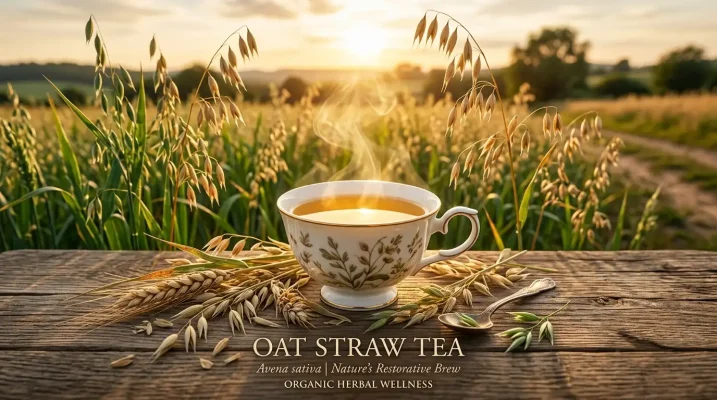
Oat Straw Tea: Benefits, Uses & How to Brew and Use Perfectly?
What Is Oat Straw Tea? Oat straw tea is a mild herbal tea made from...
Jul
Shikakai Powder: Benefits, Active Compounds, Uses and Safety
Long before bottled shampoo existed, people in South Asia reached for a dried legume pod...
Jul

Mugwort Tea: Benefits, Brewing, Flavor & the Safety Concern No One’s Telling You
Mugwort tea (Artemisia vulgaris), also known as the “Mother of Herbs,” holds a storied place...
Jul

Wormwood Herb: Benefits, Side Effects, Uses, Compounds & More
Wormwood (Artemisia absinthium) is one of the most famous and intensely bitter herbs in traditional...
Jul

Wheatgrass Juice Powder: Benefits, Nutrients, Uses, Taste Comparison & Buying Guide
In a perfect world, we’d all eat fresh greens every single day. But reality hits...
Jul
Yerba Mate: What Is It, Benefits, Caffeine Amount, and How to Make It
Yerba mate is a traditional caffeinated beverage from South America made from the dried leaves...
Jul

Alligator Pepper: Flavor, Uses, Botanical Profile, Substitute and Buying Tips
If you heard the name “alligator pepper,” what comes to mind? Is it the same...
Jul

Green Black Walnut Hull & Extract (Juglans nigra): Benefits, Uses & How It Differs
When you’re looking for black walnut hull, you quickly notice two very different products. One...
Jul

Fourth of July 2026: History, Traditions, and a Safe, Fun Day
The Fourth of July is easy to picture. The grill is going. Music is playing....
Jun

When Is Juneteenth 2026? Meaning, History, Colors & Herbal Deals
Many people know Juneteenth is a holiday, but they don’t know what to do. They...
Jun
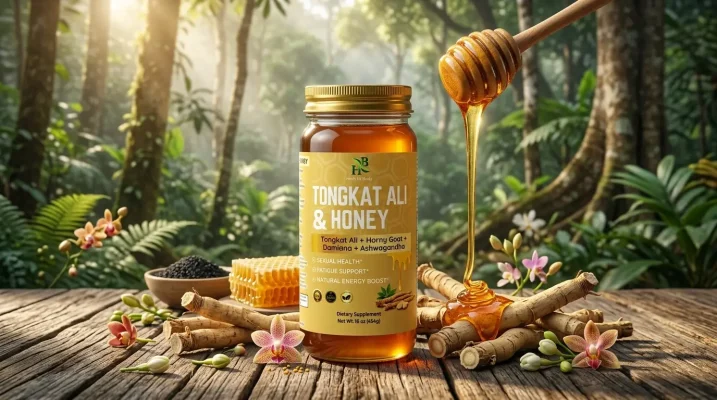
Tongkat Ali Honey: Benefits, Taste, Uses & How to Take
Tongkat ali honey is honey mixed with tongkat ali root (Eurycoma longifolia, also called longjack)....
Jun

Best Father’s Day Gifts 2026 for a Health-Minded Dad
Most dads rarely ask for anything for themselves. They say “I’m fine” while rubbing a...
Jun
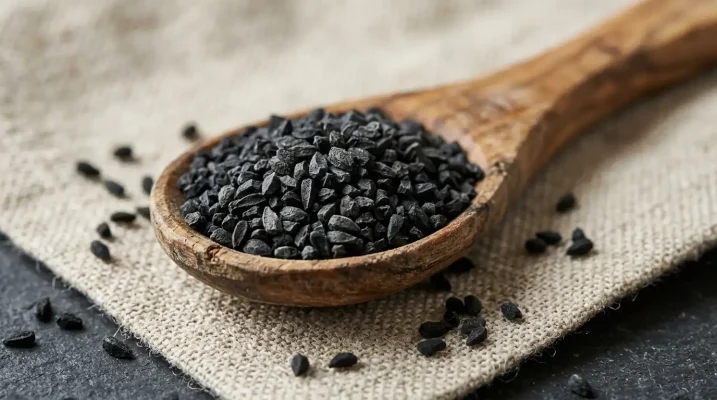
Black Seed (Nigella sativa): Compounds, Uses & Safety
Black seed is a versatile herb available year-round. It can be used in cooking, added...
Jun

Shilajit: What It Is, How It Works, and How to Choose the Right Form?
Shilajit is a natural mineral resin. It forms in high-altitude mountain ranges, mainly the Himalayas,...
Jun

Prekese (Aidan Fruit): Benefits, Active Compounds, Uses & Safety Guide
Prekese (Tetrapleura tetraptera) is a flowering tree in the Fabaceae (legume) family. It grows in...
May
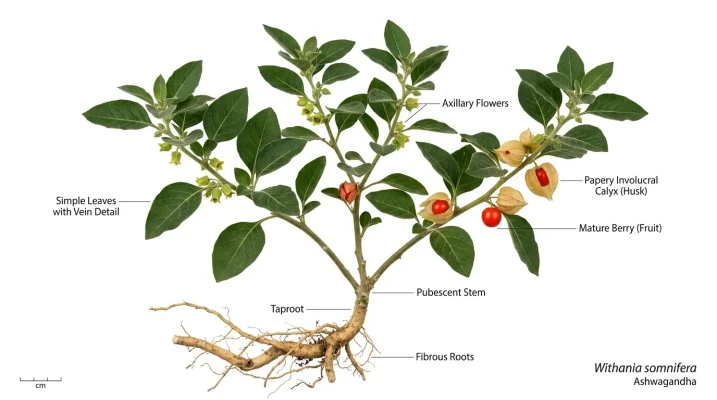
Ashwagandha (Withania somnifera): Benefits, Dosage & Safety Guide
Ashwagandha is a small woody shrub. It grows in dry regions of India, northern Africa,...
May

Substitutes for Cayenne Powder (Heat Levels, Ratios & When to Use Each)
Cayenne pepper is a staple spice in many cuisines because it adds sharp heat without...
May
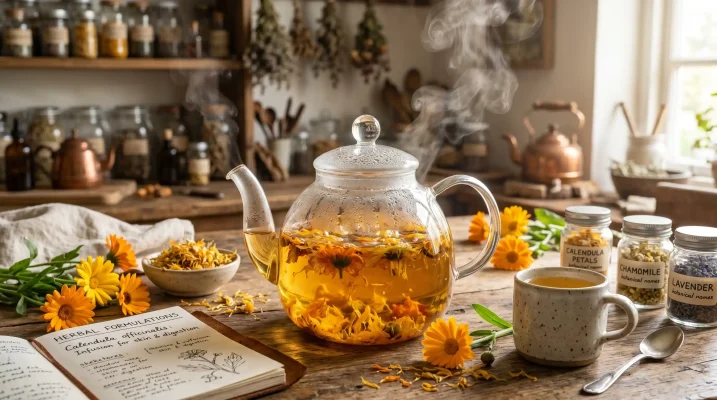
Calendula Flower: What It Is, How to Use It & What Science Says
While many recognize the bright orange petals of Calendula officinalis (Pot Marigold), its role in...
May

Mother’s Day 2026: Natural & Herbal Gifts Moms Will Truly Love
Most gifts collect dust after a few days. Botanicals get used every day. If your...
May

What Is Cinco De Mayo Celebrated For: Meaning, History, Food Idea & 2026 Celebrations
What is Cinco de Mayo? Cinco de Mayo means “the fifth of May” in Spanish....
May

Best Sea Moss to Buy in 2026: Forms, Species & Quality
Sea moss is one of the most popular sea vegetables on the market. But the...
Apr

Green Sea Moss: Nutrition, Benefits & Safety Guide (2026)
Marine superfoods have become very popular, but green sea moss is often misunderstood because of...
Apr

How to Take Soursop Bitters: Dosage, Timing & What to Expect?
Soursop bitters are a popular herbal tonic, and many people use them as part of...
4 Comments
Apr

What Is Moringa Good For: Benefits, Types, How to Use It & Buying Guide
Moringa is a plant. It grows fast in warm climates, and people have used it...
Apr
How Long Does Soursop Bitters Take to Work?
Many people notice changes in their digestion within the first week of using soursop bitters....
Apr