


Herbs, Immune Supporting Herbs
Elderberry (Sambucus nigra): What It’s Used For, Potential Benefits & Safety

Every autumn, the same scene plays out – someone at home starts sniffling.
Through the winter months, many families look for a traditional botanical to keep in the cupboard. Elderberry (Sambucus nigra) is one of the most popular.
In This Guide
- What Is Elderberry (Sambucus nigra)?
- Elderberry Active Compounds
- Potential Benefits for Immune and Respiratory Support*
- Elderberry for Digestion and Regularity Support*
- Elderberry Forms: Syrup, Juice, Powder, Gummies and Capsules
- How to Prepare Elderberries Safely
- Elderberry Dosage and How to Use It
- Elderberry Safety, Side Effects and Interactions
- Elderberry for Children, Pregnancy and Breastfeeding
- How to Choose a Quality Elderberry Supplement
- Frequently Asked Questions
A Botanical Overview – What is Elderberry?
Elderberry is the fruit of Sambucus nigra, a deciduous shrub in the Adoxaceae family. You may also see it called black elder, European elder, or simply elder. The plant grows across Europe, parts of North Africa, and western Asia, and it has been naturalized widely in North America.
The part used here is the berry. It is the small, near-black drupe that ripens in late summer. The flower is used separately, as elderflower. Similarly, it has its own traditions and its own chemistry. However, the leaves, bark, stems, and roots are not food at all.
Types of Elder Berries
This matters for safety, so it is worth two minutes.
- Sambucus nigra – Black or European elder. Dark purple to near-black berries. This species is used in food and in almost all research.
- Sambucus canadensis – American elder. Closely related, and often classified as Sambucus nigra subsp. canadensis. Also dark-berried and used similarly.
- Sambucus racemosa – Red elder. Bright red berries. In contrast, this one is not interchangeable. The seeds carry a heavier load of the compounds discussed below. Consequently, red elder is not used the way black elder is.
- Sambucus ebulus – Dwarf elder or danewort. A herbaceous plant rather than a shrub. Not used in food.
If a supplier does not name the species, that is a reason to ask. Specifically, anything sold for culinary use should say Sambucus nigra or canadensis on the label.
Active Compounds In Elderberry
The dark color is the clue. Elderberry’s chemistry is dominated by pigments.
- Anthocyanins are the main group. In Sambucus nigra the two most abundant are cyanidin-3-glucoside and cyanidin-3-sambubioside. These are water-soluble flavonoid pigments that turn it purple.
- Flavonols come next. Elderberry carries quercetin, rutin, kaempferol, and isorhamnetin. Likewise, quercetin and rutin appear across many other plants. Here they sit alongside the anthocyanins rather than replacing them.
- Phenolic acids include chlorogenic acid, the same compound found in coffee and in many fruits.
- Beyond the polyphenols, the berry also supplies vitamin C and dietary fiber. In addition, it carries small amounts of vitamin A and potassium.
What the Evidence Supports
Every claim below is qualified, because the evidence supports qualification and nothing stronger.
Respiratory and Seasonal Comfort*
Elderberry may been examined in relation to seasonal respiratory comfort. Several trials point that way. At least one well-designed trial did not.*
What the research does not show is different. It gives no sign that elderberry stops anyone falling ill in the first place.
Antioxidant Activity*
The anthocyanins in elderberry can scavenge free radicals in laboratory conditions. Cyanidin-3-glucoside in particular has been measured for this repeatedly. However, that is a laboratory activity.
Potential Immune Support*
Cell and animal studies suggest elderberry constituents could influence cytokine release. This is the proposed mechanism behind the symptom-duration findings.*
This also explains a caution further down this page. Anything that may modulate immune signalling deserves a conversation first. Above all, that applies if you take immunosuppressant medication.*
Know More: Immune Supporting Herbs Uses & Safety
Elderberry for Digestion & Regularity Support*
Elderberry has a traditional reputation as a gentle digestive tonic. : Fresh and cooked whole elderberries contain roughly 7g of fiber per 100g, largely composed of soluble pectin. Pectin absorbs water in the gastrointestinal tract, forming a gel that adds bulk to stool and promotes regular bowel movements.*
How To Use Elderberry – Forms And Preparation

Elderberry arrives in four forms, and they are not interchangeable.
Whole Dried Berries
The traditional form, and the one that gives you control. Full botanical control; cost-effective for large batch brewing. Organic Elderberries Whole is what you want if you plan to make syrup.
Simmering is the standard preparation. Berries go into water and come to a boil. Then they simmer for around 45 minutes before straining.
Powder
Elder Berries Powder suits anyone who need minimal preparation. It’s made to stir, not to strain. It stirs into a smoothie, yogurt, or oatmeal.
Best ways to use it
- Smoothies
- Yogurt
- Oatmeal
- Juice or warm water (stirred in, not brewed as a tea)
What not to do
Don’t try to brew the powder like a traditional tea. The fine particles won’t strain out cleanly, so you’ll end up with a gritty, unpleasant drink. Use the powder as a mix-in, and save dried whole berries or extracts for teas and syrups.
Capsules
Elderberry Sea Moss Capsules eliminate all prep work: no soaking, blending, or measuring. You simply swallow a pre-dosed serving. The trade-off is control. You can’t see the raw material, tweak the dose day to day, or adjust texture and flavor. For busy routines or travel, many consider this a fair exchange – convenience in return for flexibility. If you value simplicity over customization, capsules may be your best fit.
Elderberry Gummies
High compliance; portable; palatable for adults and older children.
Tradeoff: Lower extract potency per serving; added sugars; pectin/gelatin matrix delays release.
Which Size To Buy?
Take the 4oz when you are trying elderberry for the first time. Subsequently, move to 1lb once you know you will finish it or if you need bulk use. Dried berries fade over time. Because of that, the larger bag only makes sense if it gets used.
What The Research Actually Found?
The studies below summarize published research on Sambucus nigra in general – not Herb To Body products – and are provided for education only. None of them show that any supplement prevents or treats a cold or the flu. Three trials come up repeatedly:
| Study (year) | Who was studied? | What they took | What happened? | Study notes and limitations |
| Air travelers (2016) doi | 312 long-haul flyers | Standardized elderberry extract before and during travel | Tracked self-reported cold symptoms; the extract group reported milder symptoms, while infection rates were similar between groups | Single industry-funded trial; infection rates were unchanged |
| Flu patients (2004) doi | 60 adults with confirmed influenza | Elderberry syrup (a standardized elderberry syrup) 4×/day for 5 days | A small trial that tracked daily symptom scores in confirmed influenza, comparing the extract group with placebo | Very small trial (60 people); not replicated at scale |
| Combined analysis (2019) doi | 180 people across several small trials | Various elderberry products and doses | Combined results from several small trials of differing quality; the authors described the overall evidence as limited | Pooled small trials of differing quality; several industry-linked |
Safety, Side Effects, and Interactions
This section matters more than anything above it.
The Cooking Rule
Raw and unripe elderberries contain sambunigrin, a cyanogenic glycoside. The leaves, stems, bark, and seeds carry it in higher amounts than the ripe fruit. Under certain conditions these compounds can release hydrogen cyanide.
In practice, this shows up as nausea, vomiting, cramps, and diarrhea.
Cooked properly, elderberry sits well with most people. Reported effects are mild and digestive. Nevertheless, anyone allergic to plants in the Adoxaceae family should avoid it.
Cook elder berries properly. Accordingly, simmering for around 45 minutes is the standard. Above all, never press raw juice from elder. Likewise, never use the leaves or stems.
Who Should Be Cautious?
Pregnancy & Lactation
Clinical safety trials evaluating elderberry in pregnant or breastfeeding women have not been conducted. Due to a lack of safety data, health authorities recommend avoiding elderberry supplements during pregnancy and lactation unless explicitly directed by an obstetrician.
Children
Ask your paediatrician before giving elderberry to a child. That decision belongs with someone who knows the child.
Do not give elderberry preparations to children under 2 years of age without a paediatrician’s approval.
Conclusion
Elderberry is a long-standing part of many households’ winter routines. The research behind it is modest and mixed, and it does not establish what elderberry will do for any one person.
It is not a cure and not a substitute for medical care. Choose the right species (Sambucus nigra or canadensis), prepare it properly (cooked, not raw), and talk to a clinician first if you are pregnant, breastfeeding, giving it to young children, or take immune-modulating medications.
Used that way, elderberry stays what it has always been: a traditional food-first herb with some promising, but still limited.
Read more in our guide to immune supporting herbs, or see the full range under Immune Defense.
References
Wieland LS, et al. Elderberry: a systematic review of the clinical literature. BMC Complement Med Ther. 2021;21:112. – DOI
Tiralongo E, Wee SS, Lea RA. Elderberry supplementation in air-travellers. Nutrients. 2016;8(4):182.
National Center for Complementary and Integrative Health. Elderberry: Usefulness and Safety.
Frequently Asked Questions (FAQ)
Yes. Raw and unripe elderberries contain sambunigrin, a cyanogenic glycoside that can cause nausea, vomiting, and stomach cramps. Simmering for around 45 minutes is the standard preparation. Leaves, stems, and bark are never used.
Many people take it seasonally rather than continuously. There is no established long-term dose. If you take prescription medication, particularly immunosuppressants, speak with a healthcare professional before making it a daily habit.
They come from the same plant, Sambucus nigra, but from different parts. Elderberry is the ripe fruit and carries the anthocyanins. Elderflower is the blossom, used in cordials and teas, with a lighter aromatic profile and a different traditional use.
Refrigerated in a sterilized jar, generally two to three months. Adding honey once the liquid has cooled helps. Discard it if the smell or appearance changes.
Syrup provides a higher concentration of active liquid extract per dose and contacts mucosal tissues directly. Gummies offer convenience and higher compliance, but often contain lower extract doses alongside added sugars.
Disclaimer: *These statements have not been evaluated by the Food and Drug Administration. This product is not intended to diagnose, treat, cure or prevent any disease.

Columbus Day 2026: History, Plants of the Columbian Exchange
Many foods and herbs we use today including chili peppers, cacao, vanilla, tomatoes, and potatoes,...
Oct

Vitamin C Powder: Forms, Dosage, Safety, and How to Choose
Vitamin C powder is a dissolvable supplement that is usually made with ascorbic acid or...
Oct

Goldenseal Root: Uses, Dosage, Safety & How to Buy It
What Is Goldenseal Root? Goldenseal root is a bitter yellow herb with a long history...
Oct
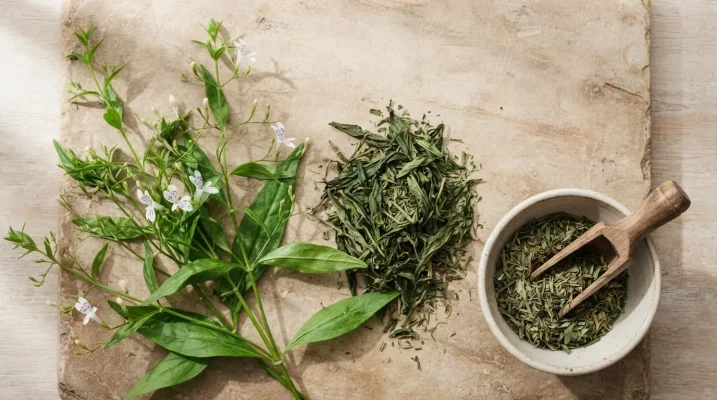
Andrographis Paniculata: Benefits, Herb Profile, Uses, Dosage & Safety
Andrographis paniculata is a bitter medicinal herb from the Acanthaceae family, often called “King of...
Sep

Patriot Day: History, Facts, and 9/11 Remembrance
Patriot Day is a day of remembrance. It is held every year on September 11th...
Sep
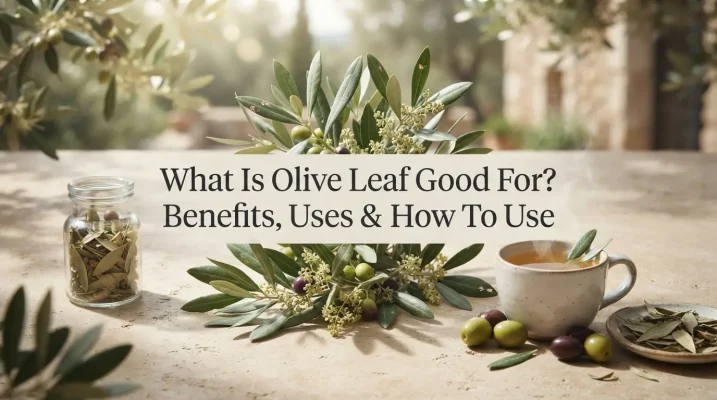
Olive Leaf: Benefits, Active Compounds, and How to Use It
We all use or have heard about olive oil. But did you know that the...
Sep
Labor Day Sale: Fresh Fall Botanicals
Update: The Herb To Body Labor Day 2026 sale ended on Monday, September 7, 2026,...
Sep
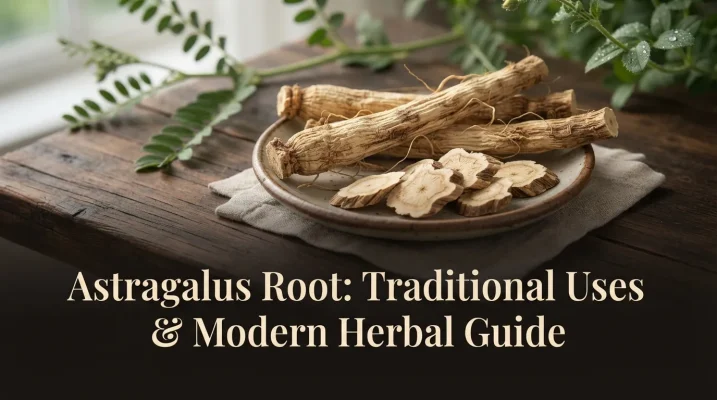
Astragalus Root: Benefits, Uses, Dosage & Safety
Astragalus root, also known as huang qi, comes from a plant in the pea family...
Aug