


Health Awareness, Herbs
Top 10 Herbs for Fall Season – Traditional Support for Seasonal Wellness
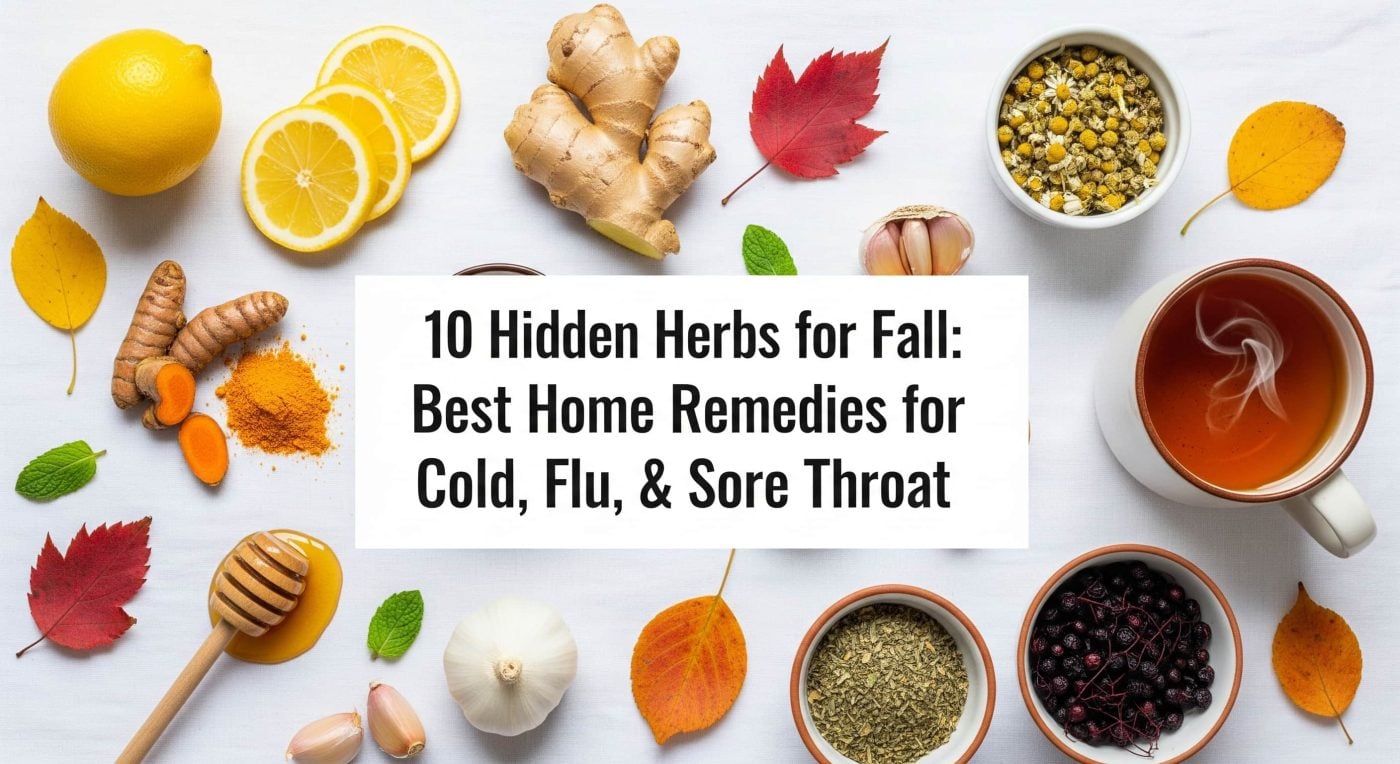
Fall brings seasonal changes that challenge your wellness. As your body prepares for this transition, you can use herbs to help it stay strong.
Autumn means less sunshine and changing temperatures. Instead of waiting to feel run down, you can use special plants and herbs to help your body maintain resilience. These plants are nature’s helpers that have been used for ages to support well-being!
Top 10 Herbs for Fall Season
Autumn means less sunshine, which can make you feel a bit tired, and it’s also when colds and sneezes start. Instead of waiting to feel sick, you can use special plants and herbs to help your body stay strong. These plants aren’t magic healers, they’re like nature’s helpers that have been used for ages to keep people feeling good! Here are some best herb to use in fall
1. Echinacea (Echinacea Purpurea)
Why for Fall: A famous Western herb for the changing seasons. It is traditionally used to support the body’s natural defense response.*
Key Benefits:
- Best taken at the very first sign of seasonal challenges.*
- Traditionally used for upper respiratory health.* [Source: AAFP]
- Supports a healthy immune response.*
How to Use: Best taken as a tincture or as tea (1-2 ml in water) as directed on the product label .
Explore more about Echinacea Benefits, Compounds, Types, Use & Safety
2. Elderberry (Sambucus Nigra)
Why for Fall: Its deep purple berries are packed with antioxidants, making it a go-to for seasonal immune support.*
Key Benefits:
- Provides potent antioxidant (anthocyanin) protection from environmental stressors.*
- Traditionally used to support the body’s natural defenses.*
- Traditionally used to support respiratory comfort.*
How to Use: Only use cooked or processed elderberries. Add cooked berries to recipes like jams or syrups, or make tea from dried berries.
Discover Elderberry Benefits for Seasonal Wellness
3. Honey
Why it’s a fall staple: It’s one of the most popular home staples people reach for when they want throat comfort.*
Key Benefits:
- Traditionally used to support throat comfort, particularly at night.*
- Provides natural antioxidant properties to support wellness.*
How to Use: Take 1 tablespoon raw, or mix into warm herbal tea for throat comfort.
How to Use: Take 1 – 2 tablespoon of raw honey straight, or mix it into a cup of warm (not boiling) water or herbal tea (like the Sage or Thyme tea) for throat comfort and support respiratory comfort.*
4. Sage (Salvia officinalis)
Why for Fall: A classic herb that is also a potent botanical. Its properties are ideal for fall respiratory support.*
Key Benefits:
- Many consider it excellent for throat comfort (especially as a gargle).*
- Provides support against seasonal stressors.*
- The astringent effect helps support clear airways.*
How to Use: For a throat gargle: Make a strong tea (1 tbsp dried sage/cup hot water), steep 15 min, cool, and gargle 3-4 times daily.
Herbs for Deep Resilience & Stress

5. Ashwagandha
Why for Fall: A premier adaptogen that helps your nervous system cope with fall’s physiological stresses, like changing light patterns and temperatures.
Key Benefits:
- Traditionally used to support the body’s normal response to everyday stress.*
- Supports restful sleep, even with circadian rhythm changes.*
- Maintains steady, non-jittery energy.*
Potential Side Effects:
- May cause drowsiness initially.
- Could lower blood pressure in sensitive individuals.
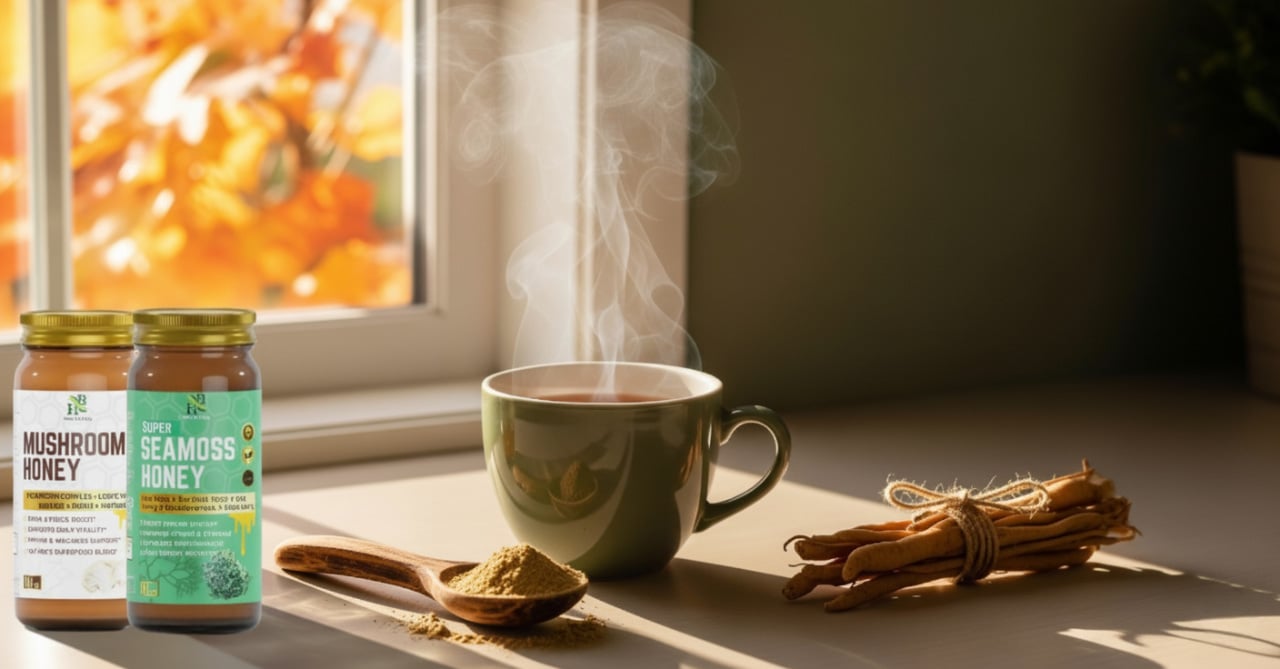
How to Use: Steep 1/2 tsp of ashwagandha cut root in hot water for 10 minutes. Strain and enjoy as tea. You may also use ashwagandha honey as a sweetener for breakfast.
6. Reishi Mushroom
Why for Fall: A powerful adaptogen and immune modulator that builds resilience and calms the nervous system. Which makes it perfect for seasonal stress.
Key Benefits:
- Traditionally used to support normal immune function over time.*
- Provides grounding effects for occasional stress and sleep issues.*
- Traditionally used as a tonic to support lung health.*
Potential Side Effects:
- Bitter taste.
- May cause mild dizziness or digestive upset.*
How to Use: Add 1 tsp powder to coffee or hot chocolate.
7. Garlic Powder (Allium sativum)
Why for Fall: Garlic is ideal for daily preventive support during the fall season.*
Key Benefits:
- Daily use may support immune system resilience.*
- Contains allicin, a compound in garlic that has long been part of its traditional culinary and herbal use.*
- Traditionally used to support normal circulation.*
How to Use: For potent effect, crush 1-2 fresh cloves and let sit 10-15 minutes before adding to food (at the end of cooking).
Herbs for Digestion, Inflammation & Allergies

8. Soursop
Why for Fall: Traditional cultures use bitters and soursop leaves to prepare the digestive system for seasonal transitions. Soursop bitters may support digestion as diets shift to heavier fall foods.
Key Benefits:
- Supports digestive enzyme production.*
- Traditionally used to support liver function.*
- May help balance appetite and maintain healthy blood sugar levels already within the normal range.*
Side Effects:
- Use caution if you take prescription medication.*
How to Use: Take 1-2 teaspoons in water.
Read More About: Soursop Leaves and Soursop Bitter Benefits.
9. Turmeric
Why for Fall: Its active compound, curcumin, is known for supporting a healthy inflammatory response. Traditionally valued through the colder months.*
Key Benefits:
- Helps support a healthy inflammatory response to occasional physical stress.*
- Supports joint comfort and mobility in cold weather.*
- A source of antioxidant plant compounds.*
How to Use: Add 1/2 tsp powder to warm milk (“Golden Milk”). Combine with a pinch of black pepper (piperine) to enhance absorption.
10. Nettle
Why for Fall: This plant is traditionally taken through the pollen-heavy months of the year.*
Key Benefits:
- Traditionally used to support normal breathing and clear, comfortable airways.*
- A source of iron and calcium.*
- Acts as a gentle natural support for fluid balance.*
How to Use: Nettle leaf is usually taken as a tea or in capsules. For nutrition, steep as a tea or add 1/2 tsp powder to smoothies.
How to Choose the Right Herbs for You?
Fall wellness isn’t about surviving until spring, it’s about thriving. The key to success lies not in using every herb at once, but in selecting 2-3 that address your specific needs.
- For Daily Support: Start with foundational tonics like Ashwagandha and Reishi.
- For Throat Comfort: Make a strong Sage tea gargle.
- For Seasonal Challenges: Drink Echinacea tea at the first sign of a challenge to support your immune response. You can also drink Turmeric tea (Golden Milk) to support joint comfort and a healthy inflammatory response.*
Conclusion
These 10 seasonal herbs may help your body adjust to the change of season. Rather than waiting until you feel run down, you can build these herbs into your routine ahead of time and get the most out of them.
Sources – References
- A 2023 review article in the National Library of Medicine’s PubMed Central (PMC) highlights the immunomodulatory properties of herbs, including Echinacea, ginger, garlic, Ashwagandha, and reishi mushroom – NIH PMC.
- Johns Hopkins Medicine.
- Pan American Health Organization and WHO.
- NIH Research.
Frequently Asked Questions (FAQ)
It depends. Tonic herbs (Reishi, Ashwagandha, Ginger, Turmeric) are generally safe for daily use. Stimulant herbs (Echinacea, Goldenseal) should only be used short-term (1-2 weeks). Always consult with a health care specialist if you any underlying health condition.*
The best warming herbs for fall are Ginger, Garlic, and Turmeric. They help stimulate circulation, aid digestion of heavier foods, and provide a sense of internal warmth.*
Tonic herbs are traditionally taken daily through a season. Stimulant herbs such as Echinacea are traditionally used short-term, around seven to ten days, then paused. Follow the product label and speak to a healthcare professional if you take prescription medication.*
An immune tonic (like Reishi or Ashwagandha) is a deep acting herb that is traditionally taken to support normal immune function over time. They are traditionally taken daily over a season rather than occasionally.*
By contrast, an immune stimulant (like Echinacea or Goldenseal) is a herb traditionally reached for short-term, as the seasons turn, rather than taken all year.*

Columbus Day 2026: History, Plants of the Columbian Exchange
Many foods and herbs we use today including chili peppers, cacao, vanilla, tomatoes, and potatoes,...
Oct

Vitamin C Powder: Forms, Dosage, Safety, and How to Choose
Vitamin C powder is a dissolvable supplement that is usually made with ascorbic acid or...
Oct

Goldenseal Root: Uses, Dosage, Safety & How to Buy It
What Is Goldenseal Root? Goldenseal root is a bitter yellow herb with a long history...
Oct
Andrographis Paniculata: Benefits, Herb Profile, Uses, Dosage & Safety
Andrographis paniculata is a bitter medicinal herb from the Acanthaceae family, often called “King of...
Sep

Patriot Day: History, Facts, and 9/11 Remembrance
Patriot Day is a day of remembrance. It is held every year on September 11th...
Sep

Olive Leaf: Benefits, Active Compounds, and How to Use It
We all use or have heard about olive oil. But did you know that the...
Sep
Labor Day Sale: Fresh Fall Botanicals
Update: The Herb To Body Labor Day 2026 sale ended on Monday, September 7, 2026,...
Sep
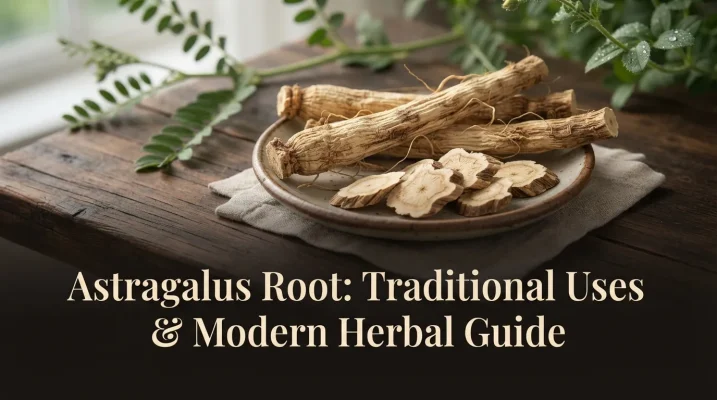
Astragalus Root: Benefits, Uses, Dosage & Safety
Astragalus root, also known as huang qi, comes from a plant in the pea family...
Aug
Disclaimer: *These statements have not been evaluated by the Food and Drug Administration. This product is not intended to diagnose, treat, cure or prevent any disease.