

free shipping on orders over $750 dollars • 100% money-back guarantee • over 500 different herbs • secure payment and checkout • Free shipping on
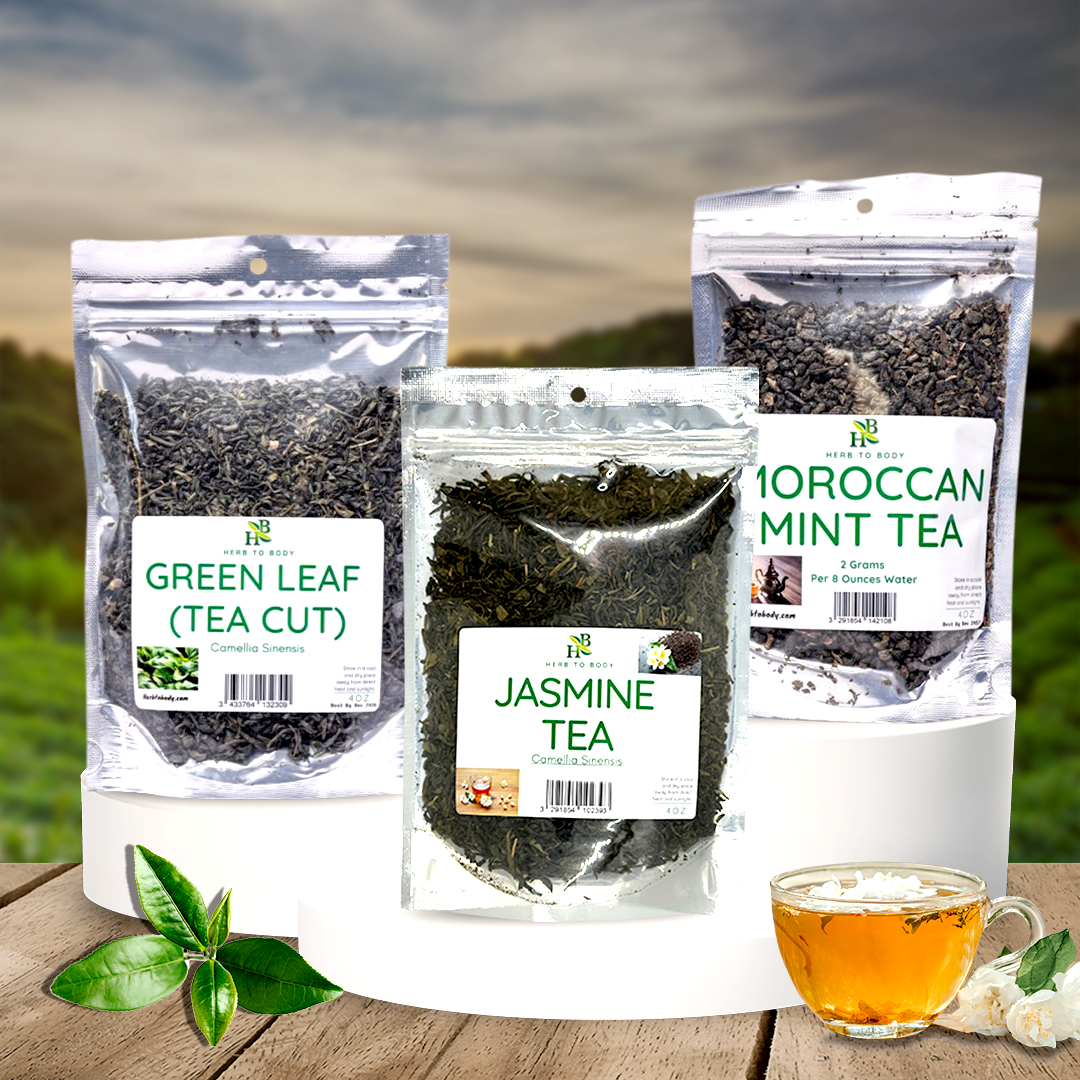
From Moroccan tea to Chinese Young Hyson and Indian Masala Chai, we bring the world’s flavors to you.

Cut & Sifted
Price range: $9.99 through $19.99
This product has multiple variants. The options may be chosen on the product page
Botanical Blends
Price range: $8.99 through $15.99
This product has multiple variants. The options may be chosen on the product page

Cognitive Support
Price range: $9.99 through $25.99
This product has multiple variants. The options may be chosen on the product page
Botanical Blends
Price range: $12.99 through $26.99
This product has multiple variants. The options may be chosen on the product page


Daily Essentials
Price range: $11.99 through $29.99
This product has multiple variants. The options may be chosen on the product page
-20%

Cut & Sifted
Price range: $16.99 through $49.99
This product has multiple variants. The options may be chosen on the product page
-20%
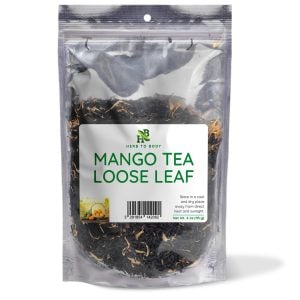
-8%
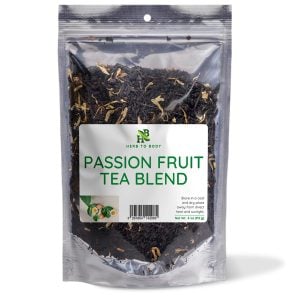
Out of stock
Herbs & Roots
Original price was: $12.80.$11.80Current price is: $11.80.
You're on the list ✓
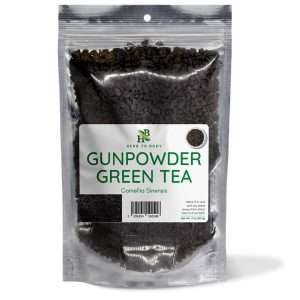
Green Tea
Price range: $11.99 through $15.99
This product has multiple variants. The options may be chosen on the product page
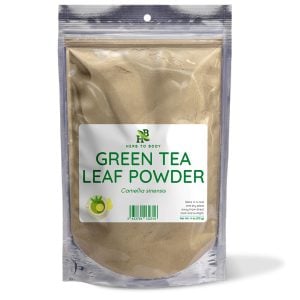
-20%
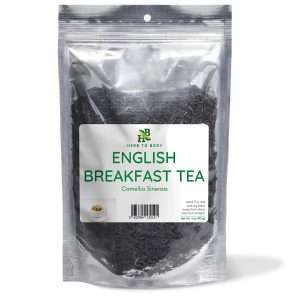
Black Tea
Price range: $11.60 through $20.50
This product has multiple variants. The options may be chosen on the product page
-12%
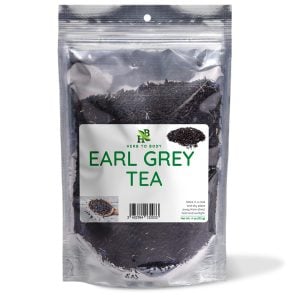
Black Tea
Price range: $10.50 through $21.50
This product has multiple variants. The options may be chosen on the product page
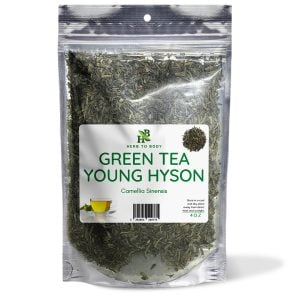
Green Tea
Price range: $12.49 through $19.99
This product has multiple variants. The options may be chosen on the product page
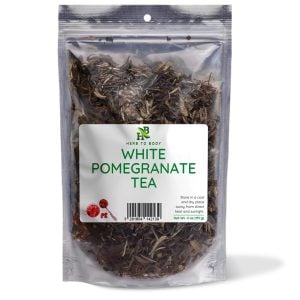
-3%
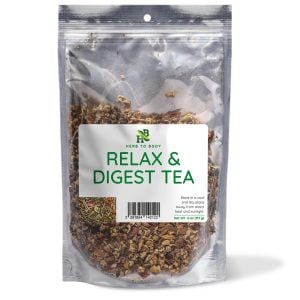
Out of stock
Herbs & Roots
Original price was: $28.60.$27.60Current price is: $27.60.
You're on the list ✓
-10%
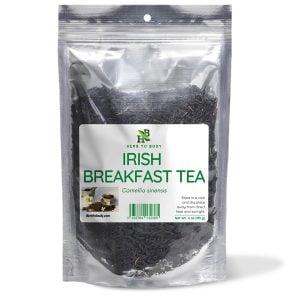
Out of stock
Black Tea
Original price was: $19.00.$17.10Current price is: $17.10.
You're on the list ✓
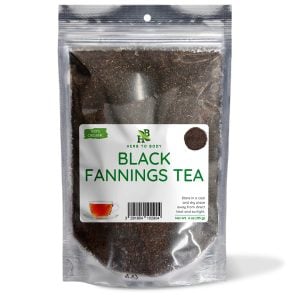
Black Tea
Price range: $8.10 through $16.99
This product has multiple variants. The options may be chosen on the product page
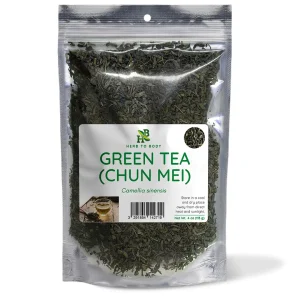
-12%
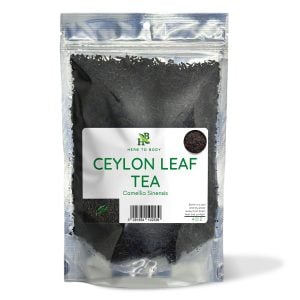
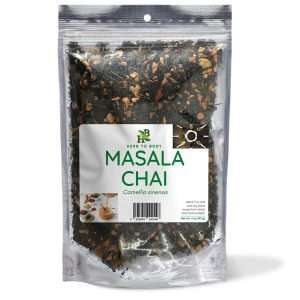
Herbs & Roots
Price range: $16.99 through $39.00
This product has multiple variants. The options may be chosen on the product page
Herb To Body Tea

Who It’s For?
Imagine a world where every sip tells a story of flavor, culture, and well-being. At Herb to Body, our teas open the door to this experience, offering something for everyone. Whether you’re kickstarting your day with a bold morning tea like English Breakfast or unwinding in the afternoon with the gentle embrace of Hibiscus Flower While loose leaf teas cater to your unique tastes and needs.
For the adventurer craving types of tea flavors like Jasmine or Mango, or the purist seeking high-quality tea from top tea brands, we bring you the best-tasting brews. Tea isn’t just a drink—it’s a moment of connection, crafted for those who value quality, variety, and the joy of discovery.
- Green Tea for the health-conscious consumers.
- Herbal Blends for the mindful relaxer.
- Black Tea for the tradition-loving energizer.
Tips for Using Herb to Body's Tea
Green Tea
- Use water heated to 122-140°F to preserve delicate compounds and prevent bitterness
- Steep for 2-3 minutes for optimal flavor balance and antioxidant extraction
- Pair with light meals (e.g., salads) to enhance nutrient absorption.
Herbal Tea
- Employ fully boiling water (212°F) to extract robust flavors and beneficial compounds
- Use boiling water to fully extract plant essences and therapeutic compounds
- Steep 5-7 minutes for maximum potency and flavor development
- Cover during steeping to retain volatile oils and aromatic compounds
Black Tea
- Employ fully boiling water (212°F) to extract robust flavors and beneficial compounds
- Allow 3-5 minutes steeping time for full-bodied taste development
- Add spices like cinnamon for a chai-inspired morning boost.
- Perfect base for milk tea preparations and traditional breakfast blends

Story Behind Every Leaf of Tea
Inspired by centuries of tradition and a passion for nature’s healing. At Herb to Body, tea is more than a product—it’s our heart’s work. Born from a quiet moment of inspiration, we set out to share nature’s finest gifts with you. Every cup reflects our promise: high-quality tea that nurtures your body and soul.
We vowed to create a brand that honors both people and the planet. Each leaf will tell story about freshness, ethically sourced from an natural way, and crafted to preserve its natural essence. Our mission? To blend heritage with innovation, ensuring every sip nurtures your body and mind.

Sustainability and Ethics
At Herb to Body, we’re driven by a promise to care—for you and the world around us:
- Regenerative Farming: Partnering with suppliers and collectors to protect soil health and biodiversity.
- Fair Trade Commitment: Ensuring living wages for farmers. Our partnerships uplift tea workers with fair wages and ethical conditions.
- Zero-Waste Packaging: Using biodegradable materials for all loose-leaf teas.
- Purity: Our teas, like Organic Black Tea, are grown without harmful chemicals, preserving nature’s integrity.
- Carbon-Neutral Shipping: Offsetting emissions for every order placed.

Historical Context of Tea
- 618–906 CE: Tea became a national drink, taxed and celebrated in poetry.
- 2737 BCE: Legendary Chinese Emperor Shen Nung discovers tea when leaves fall into his boiling water.
- It journeyed to Japan in the 9th century, shaping serene tea ceremonies.
- In the 17th century, British enthusiasm turned tea into a global treasure.
- The 1773 Boston Tea Party made tea a symbol of defiance in America.
- 1834: British East India Company cultivates Assam tea, revolutionizing global trade.
- Today, tea reigns as the world’s second most-loved drink, after water.
- Tea is more popular than ever. In 2024, roughly 159 million Americans drink tea, and across the globe, people consume 2.16 billion cups of tea each day.

Science Behind Tea
- Antioxidants: Polyphenols like EGCG neutralize free radicals, reducing chronic disease risk.*
- L-Theanine: Enhances alpha brain waves for relaxed focus, found in green and oolong teas.*
- Fermentation Impact: Black tea’s theaflavins improve heart health; Oolong’s partial oxidation balances metabolism.*
- Caffeine & Catechins: Synergize to boost energy expenditure and fat oxidation.*
- Gut-Brain Axis: Herbal teas like Rooibos support microbiome diversity, linked to mood and immunity.*
- Green tea: Contains high levels of catechins, particularly EGCG, which combat oxidative stress.*
- Black tea: Theaflavins and thearubigins help reduce LDL cholesterol levels and improve arterial function.*
Product Information
01
*These statements have not been evaluated by the Food and Drug Administration. This product is not intended to diagnose, treat, cure or prevent any disease.
02
This is a natural product; color may vary from batch to batch due to seasonal and sourcing differences, but quality remains the same.
03
Product origins may vary based on seasonal availability and sourcing. The listed origin may not always reflect the most current batch — the current origin and batch number are printed directly on the product label. Contact us if you need origin confirmation before purchasing.
04
CALIFORNIA WARNING: Consuming this product can expose you to chemicals including Lead and lead compounds, which are known to the State of California to cause cancer and birth defects or other reproductive harm. For more information go to www.P65Warnings.ca.gov/food.
Frequently Asked Questions
Does chai tea have caffeine?
Yes, traditional chai contains 30-50mg of caffeine per 8-oz cup since it's made with black tea. This is roughly half the caffeine in coffee. Depending on brewing time and tea quality.
How to steep tea properly?
Boil water, pour it over tea leaves (1 tsp per cup), and steep: 3-5 minutes for black tea, 1-3 minutes for green tea. Steep longer for stronger flavor, shorter for milder taste
Water temperature and timing matter most:
- Green tea: 175°F, 2-3 minutes
- Black tea: 212°F, 3-5 minutes
- White tea: 185°F, 3-4 minutes
- Oolong: 195°F, 3-4 minutes
Does tea go bad?
Tea doesn’t spoil but loses flavor over time. Dry tea leaves last 1-2 years if stored in an airtight container away from light, heat, and moisture. Properly stored dry tea lasts:
- Black/Green tea: 2-3 years
- White/Oolong: 2-3 years
- Herbal teas: 1-2 years
Ensure that the container is air-tight and moisture-proof. Brewed tea should be consumed within 3-5 days when stored in the refrigerator.
What tea gives me energy?
Yerba mate and some other tea provides the sustained energy with 30-35mg caffeine per cup plus natural compounds that enhance mental clarity without jitters.
Other energizing options:
- Black tea: 40-70mg caffeine
- Matcha: 60-80mg plus L-theanine for calm focus
- White tea: 15-30mg for gentle lift
Best tea for iced tea?
Black teas, such as Darjeeling or Assam, are top choices for iced tea due to their bold flavors, while green teas, like Sencha, offer a refreshing alternative.
Black teas excel for iced tea due to their bold flavor that won't dilute. Top choices include:
- Ceylon for bright, citrusy notes
- Assam for malty richness
- Earl Grey for bergamot complexity
- English Breakfast for balanced strength
White and green teas can taste weak when iced.
What does chai tea taste like?
Chai delivers a warm, spiced complexity with layers of cinnamon, cardamom, ginger, and cloves balanced by black tea's earthiness. Traditional masala chai adds milk and sugar, creating a creamy, sweet-spiced beverage with gentle heat from ginger and pepper.
What tea is used in Chinese restaurants?
Jasmine green tea or oolong tea is commonly served in Chinese restaurants for their light, floral taste and cultural significance. This light, fragrant tea cleanses the palate between dishes. Some establishments offer oolong or pu-erh, but jasmine remains the standard due to its delicate flavor that complements Chinese cuisine.
How much does tea cost?
Tea prices vary by type and quality. Basic tea bags cost $0.10-$1 per serving, and tea powders range from $6- $60, and even more depending on form, quality and origin.


&url=https://herbtobody.com/p/oolong-tea-tea-cut-4-oz/&media=https://herbtobody.com/wp-content/uploads/2021/10/Oolong-Tea-Tea-Cut-4oz-800x800.jpg)

&url=https://herbtobody.com/p/green-leaf-tea-cut-4oz/&media=https://herbtobody.com/wp-content/uploads/2021/03/Green-Leaf-front-800x800.jpg)


&url=https://herbtobody.com/p/green-tea-chun-mei/&media=https://herbtobody.com/wp-content/uploads/2026/05/Chun-Mei-Green-Tea-4oz-800x800.webp)


Apply for Wholesale
We welcome partnerships with retailers who share our passion for natural wellness. To apply for wholesale, visit our Wholesale Application Page and complete the form with your business details. Once your application is reviewed and approved, you’ll gain access to exclusive pricing, bulk ordering, and dedicated support.
Start now