


Fenugreek is a popular herb often used in traditional home remedies for hair care, skin care, digestion, and general wellness. Its seeds are commonly soaked, ground, or brewed into tea and may be incorporated into hair masks, scalp treatments, and herbal rinses as part of a regular self-care routine.
Fenugreek tea is a simple, caffeine-free herbal drink made from fenugreek seeds. With its warm, earthy flavor, it can be enjoyed as a soothing alternative to caffeinated beverages and as part of a balanced wellness routine. Its naturally occurring soluble fiber may help you feel fuller, while its traditional use makes it a popular choice for everyday digestive comfort. Fenugreek tea may support general wellness.
What Is Fenugreek Herbal Tea?
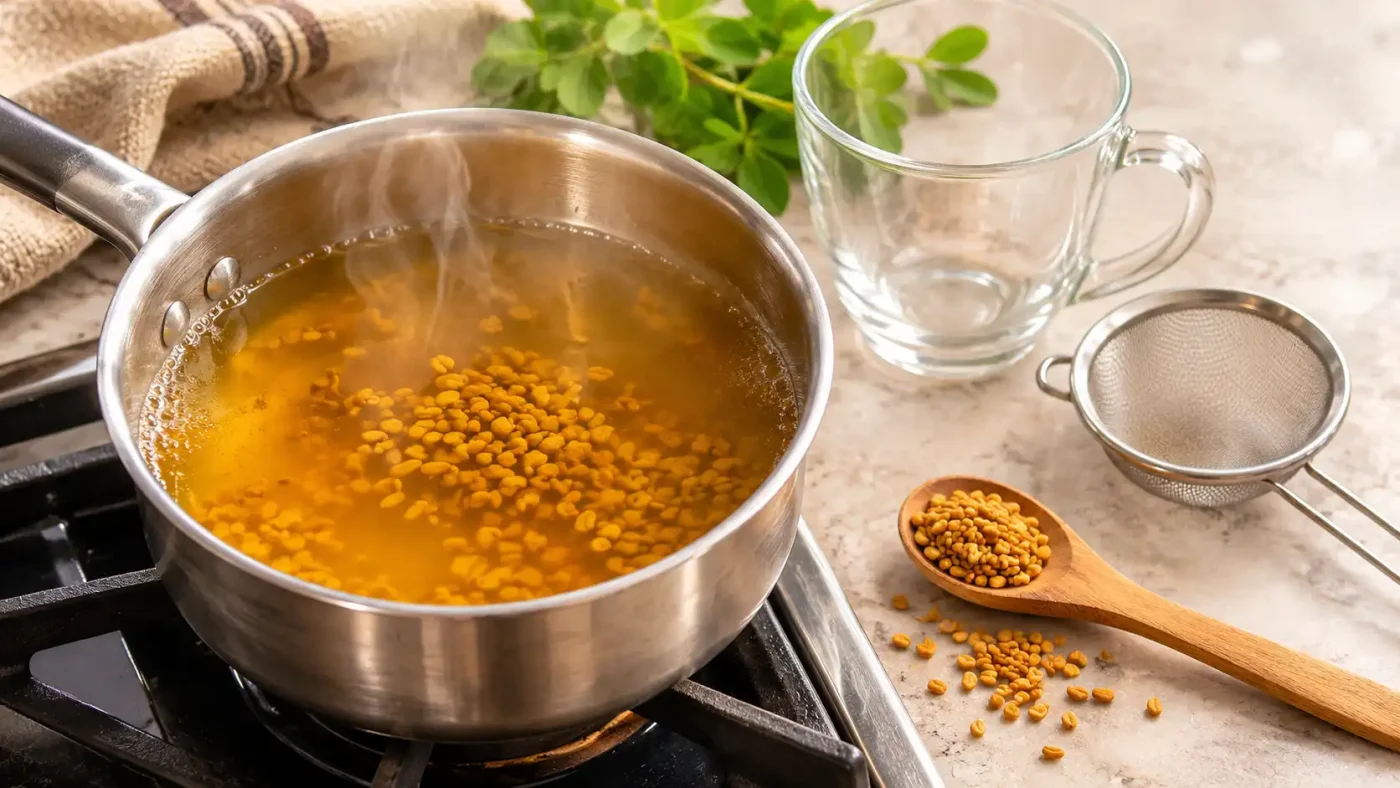
Fenugreek (Trigonella foenum-graecum, commonly known as methi) herbal tea is fresh water simmered with whole fenugreek seeds and strained before drinking. Fenugreek tea uses only dried seeds and water, so it contains no caffeine from tea leaves.
The key challenge is brewing it correctly: using too many seeds or simmering them too long can create a bitter taste. However, when brewed properly, the tea produces a warm, nutty aroma with hints of maple, thanks to a compound called sotolon.
How to Make Fenugreek Tea From Whole Seeds?
This fenugreek seed tea recipe follows the Suggested Use on the Herb To Body Fenugreek Seed Whole label, so the amounts are the ones printed on the bag.
| Step | What to do | Amount or time |
| 1. Measure | Add fenugreek seeds to a small pot | 1/4 teaspoon (about 1 g) |
| 2. Add water | Pour in fresh water | 8 ounces (about 1 cup) |
| 3. Boil | Bring to a gentle boil | Until it boils |
| 4. Steep | Reduce heat and let the seeds steep | 10 to 15 minutes |
| 5. Strain | Strain out the seeds before drinking | Once daily, if desired |
Covering the pot while the seeds simmer prevents volatile aroma compounds from escaping with the steam. Steep time directly controls the balance between sweetness and bitterness: a 10-minute steep yields a lighter, mellow cup with soft maple notes, whereas pushing closer to 15 minutes extracts deeper, earthier tannins and a more pronounced bitter finish.
If you are brewing fenugreek tea for the first time, start at 10 minutes, taste a spoonful, and steep longer only if you prefer a bolder brew.
Easy Methi Tea (Fenu greek tea) Recipe Variations
Once you know the whole-seed ratio, you can adjust the preparation to suit your palate without exceeding the daily serving measure:
- Lightly crushed seeds: Gently crack the 1/4 teaspoon of whole seeds with the flat side of a chef’s knife or mortar and pestle before simmering. Crushing breaks the tough outer seed coat and releases more aromatic oils.
- Dry-toasted seeds: To make methi seed tea , warm the whole seeds in a dry skillet over low heat for 30 to 45 seconds, until fragrant. Take care not to scorch them before adding water. Light roasting deepens the nutty, caramelized character.
- Fennel and fenugreek tea: Add a small pinch of whole fennel seeds to the pot during the final 5 minutes of steeping for a brighter, subtly sweet anise note that balances fenugreek’s earthiness.
- Lemon, ginger, or honey finish: Stir in a thin slice of fresh ginger while simmering, or finish your strained cup with a squeeze of fresh lemon juice and a small drizzle of honey to soften the bitter edge without masking the maple aroma.
Whole Seeds vs. Crushed Seeds, Powder, and Tea Bags
Not all fenugreek formats work well the same way in hot water. Choosing the right form determines both cup clarity and adherence to product directions.
| Format | Brewing Suitability | Flavor & Texture | Usage Notes |
| Whole Fenugreek Seeds | Ideal for simmering | Clean, golden liquor; balanced maple sweetness and mild bitterness | Follows Herb To Body Fenugreek Seed Whole tea directions (1/4 tsp per 8 oz water). |
| Lightly Crushed Seeds | Very good for simmering | Stronger aroma and slightly richer body; requires a fine-mesh strainer | Keep total measure at 1/4 tsp (~1 g) once daily. |
| Fenugreek Seed Powder | Not recommended for tea | Cloudy, thick, and gritty texture due to suspended mucilage fiber | Herb To Body Fenugreek Seed Powder (1/4 tsp / 0.9 g) is labeled for curries, stews, lentils, and spice rubs not tea. |
| Pre-Bagged Fenugreek Tea | Convenient for travel | Milder infusion; strength is fixed by the manufacturer | Often blended withother herbs; offers less control over steep strength than loose whole seeds. |
Because fenugreek seeds are rich in soluble fiber that swells into a thick mucilage when finely ground, stirring fenugreek powder into hot water creates a starchy, sediment-heavy drink that cannot be cleanly strained through standard tea infusers. Reserving ground powder for savory cooking and using whole seeds for tea gives you a smooth, enjoyable cup every time.
Can You Use Fenugreek Powder for Tea?
Our Fenugreek Seed Powder can be used/add to curries, stews, lentil dishes or spice rubs. Powder also leaves a cloudy, gritty cup, whereas whole seeds strain out cleanly. Whole fenugreek seeds are usually better for tea, especially if you want a smoother, less bitter cup

What Does Fenugreek Tea Taste Like?
Fenugreek tea tastes warm, mildly nutty, and lightly sweet, followed by a gentle, pleasant bitterness reminiscent of toasted celery seed or dark caramel. Its flavor is far lighter than its bold fragrance might suggest while a simmering pot fills the entire kitchen with a rich, pancake-house maple aroma, the brewed tea itself is delicate and comforting rather than syrupy.
That distinctive scent comes from sotolon (3-hydroxy-4,5-dimethyl-2(5H)-furanone), an intensely aromatic lactone also found in aged sake, lovage, and maple syrup. Sotolon is the primary driver behind fenugreek’s signature culinary and curry-like aroma.
Traditional Uses and What Research Actually Shows
Historically, fenugreek seeds have been used as an everyday culinary spice and as an ingredient in traditional herbal practices across North Africa, the Middle East, and India, according to NCCIH. People have traditionally ground roasted fenugreek seeds and brewed them as a caffeine-free coffee substitute.
Now, most people use fenugreek tea as a soothing, naturally caffeine-free beverage after meals or in the evening. You will find many health benefits of fenugreek tea; you may also encounter studies examining fenugreek’s roles in supporting normal blood sugar metabolism, digestive comfort, and postpartum lactation. However, reading the research carefully reveals an important distinction:
- Concentrated seed preparations vs. brewed tea: Most clinical trials evaluate standardized fenugreek seed extracts, capsules, or multi-gram doses.
- The role of soluble fiber: NIH notes that dietary fiber, primarily galactomannan, can account for up to 50% of fenugreek seed preparations. When you simmer whole seeds and strain them out, most of the insoluble, viscous seed bulk stays behind in the strainer rather than entering your mug.
Side Effects and Who Should Be Careful
Fenugreek tea side effects are usually mild and are considered safe at the amounts found in food. However, a few points matter before you make it a habit:
- Digestive upset: Fenugreek may cause diarrhea, nausea, bloating, gas, and other digestive symptoms.
- Allergy: Fenugreek can cause allergic reactions, including serious reactions in some people. Because it is a legume, use extra caution if you react to other legumes.
- Blood sugar: Large doses may cause a harmful drop in blood sugar.
- Medicines: Fenugreek may interact with certain medicines, particularly when taken in high doses with antiplatelet drugs or warfarin.
- Pregnancy: Fenugreek is not considered safe during pregnancy in amounts greater than those normally found in food.
Sources: NCCIH
Consult your healthcare provider before use if you are pregnant, nursing, taking medication, or have a medical condition, and to discontinue use if any adverse reactions occur. Keep the seeds out of reach of children.
Learn More About Fenugreek
To understand the plant behind the cup, read our fenugreek herb and plant profile. When you are ready to brew, start with Herb To Body Fenugreek Seed Whole, or use Fenugreek Seed Powder in curries and spice rubs.
Conclusion
Fenugreek tea offers an easy-to-use, caffeine-free way to enjoy one of the world’s oldest culinary seeds in a warm, aromatic cup. By simmering fenugreek seeds in water, you get a clean infusion marked by toasted maple notes and a mild, grounding bitterness. Without the grit of ground spice.
References
- National Center for Complementary and Integrative Health (NCCIH). Fenugreek: Usefulness and Safety.
- LiverTox: Clinical and Research Information on Drug-Induced Liver Injury. Fenugreek. National Institute of Diabetes and Digestive and Kidney Diseases (NIH).
- Herb To Body product labels – Fenugreek Seed Whole and Fenugreek Seed Powder.
Frequently Asked Questions (FAQ)
Many adults can drink fenugreek tea daily, but start with a small amount and treat it as a supplement, not a food. Common tea preparations use about 1 cup made from roughly 500 mg to 1g of seed. Higher or concentrated supplement doses carry more risk.
Fenugreek is not safe during pregnancy in amounts greater than those found in food. Talk to your healthcare provider before drinking it if you are pregnant.
Fenugreek seeds contain sotolon, a minor aroma compound responsible for the seed’s sweet, maple-like smell.
Avoid fenugreek tea if you are allergic to fenugreek or other legumes. Pregnant individuals, people taking blood thinners or diabetes medication, and those with a medical condition should consult a healthcare professional first.
No official source sets a best time. Because the tea has no caffeine from tea leaves, many people enjoy it after a meal or in the evening. Just keep to the once-daily label measure.
First, boil gently. Then reduce the heat and let the seeds steep for 10 to 15 minutes before straining.
Fenugreek is traditionally used to support general wellness and healthy digestion. It may complement a balanced diet and healthy lifestyle.
Morning: Enjoy fenugreek tea on an empty stomach as part of your morning wellness routine.
Daytime: Sip it with or after meals for a warm, caffeine-free beverage.
Night: Have a small cup in the evening as a soothing part of your bedtime routine. Start slowly and adjust as needed.
Disclaimer: *These statements have not been evaluated by the Food and Drug Administration. This product is not intended to diagnose, treat, cure or prevent any disease.
Fenugreek Tea: How to Make It, What It Tastes Like, and What to Know
Fenugreek is a popular herb often used in traditional home remedies for hair care, skin...
Nov
10 Winter Herbs and Spices for Tea and How to Brew Each One
Fall is slowly turning into winter. Days get shorter, and nights get colder. Leaves drop,...
Oct

Halloween Food Ideas: Easy Herbs and Spices for Party Recipes
Halloween is more than costumes, candy, and spooky decorations. It is a reason to gather...
Oct

Columbus Day 2026: History, Plants of the Columbian Exchange
Many foods and herbs we use today including chili peppers, cacao, vanilla, tomatoes, and potatoes,...
Oct

Vitamin C Powder: Forms, Dosage, Safety, and How to Choose
Vitamin C powder is a dissolvable supplement that is usually made with ascorbic acid or...
Oct

Goldenseal Root: Uses, Dosage, Safety & How to Buy It
What Is Goldenseal Root? Goldenseal root is a bitter yellow herb with a long history...
Oct
Andrographis Paniculata: Benefits, Herb Profile, Uses, Dosage & Safety
Andrographis paniculata is a bitter medicinal herb from the Acanthaceae family, often called “King of...
Sep

Patriot Day: History, Facts, and 9/11 Remembrance
Patriot Day is a day of remembrance. It is held every year on September 11th...
Sep

Olive Leaf: Benefits, Active Compounds, and How to Use It
We all use or have heard about olive oil. But did you know that the...
Sep
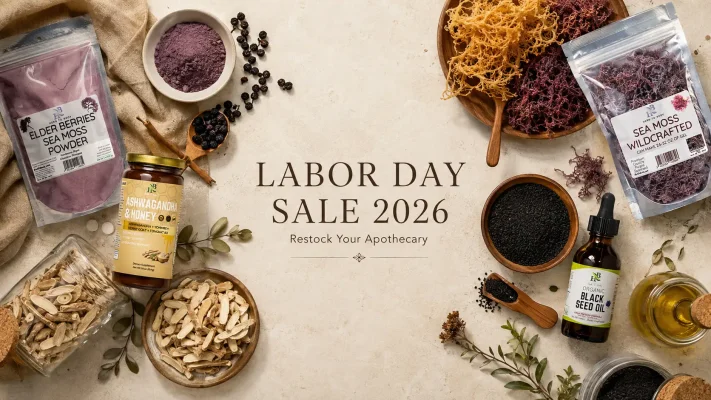
Labor Day Sale: Fresh Fall Botanicals
Update: The Herb To Body Labor Day 2026 sale ended on Monday, September 7, 2026,...
Sep
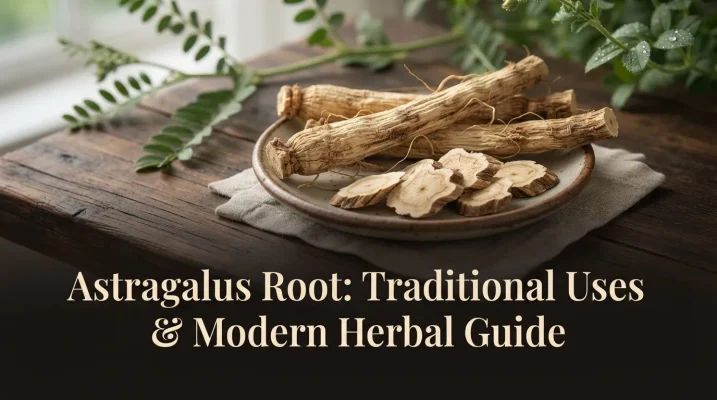
Astragalus Root: Benefits, Uses, Dosage & Safety
Astragalus root, also known as huang qi, comes from a plant in the pea family...
Aug

What Is Echinacea: Benefits, Active Compounds, Types, Uses and Who Should Avoid It?
When the cold season arrives, many people add a traditional botanical such as Echinacea to...
Aug

Elderberry (Sambucus nigra): What It’s Used For, Potential Benefits & Safety
Every autumn, the same scene plays out – someone at home starts sniffling. Through the...
Aug
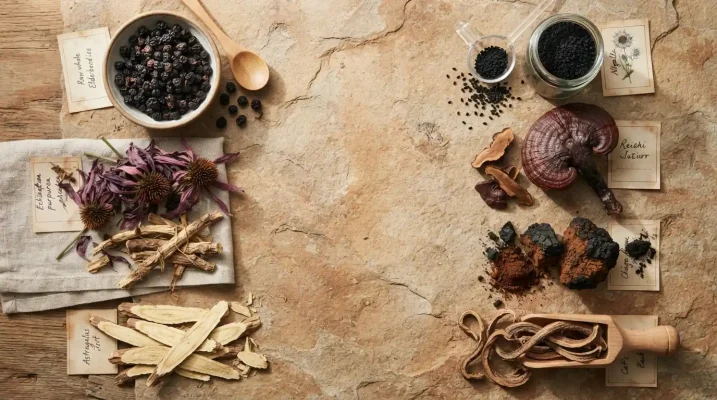
Immune Supporting Herbs: Forms, Uses & Safety Guide
What is an Immune Support Herb? An immune-support herb is a plant traditionally used for...
Aug

Back to School Wellness: A Routine for the Whole School Year
The first bell of the school year changes a household’s routine overnight. Bedtimes shift earlier,...
Aug
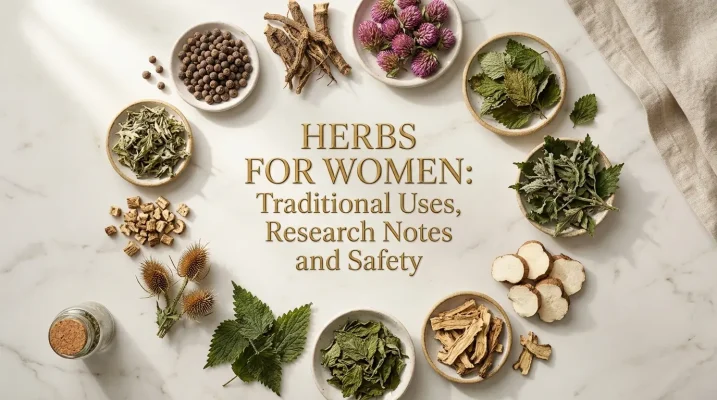
Herbs for Women: Traditional Uses, Research Notes and Safety
Many women wellness seekers search for simple herbs to add to a daily routine. Some...
1 Comment
Aug

Oat Straw Tea: Benefits, Uses & How to Brew and Use Perfectly?
What Is Oat Straw Tea? Oat straw tea is a mild herbal tea made from...
Jul
Shikakai Powder: Benefits, Active Compounds, Uses and Safety
Long before bottled shampoo existed, people in South Asia reached for a dried legume pod...
Jul

Mugwort Tea: Benefits, Brewing, Flavor & the Safety Concern No One’s Telling You
Mugwort tea (Artemisia vulgaris), also known as the “Mother of Herbs,” holds a storied place...
Jul

Wormwood Herb: Benefits, Side Effects, Uses, Compounds & More
Wormwood (Artemisia absinthium) is one of the most famous and intensely bitter herbs in traditional...
Jul

Wheatgrass Juice Powder: Benefits, Nutrients, Uses, Taste Comparison & Buying Guide
In a perfect world, we’d all eat fresh greens every single day. But reality hits...
Jul
Yerba Mate: What Is It, Benefits, Caffeine Amount, and How to Make It
Yerba mate is a traditional caffeinated beverage from South America made from the dried leaves...
Jul

Alligator Pepper: Flavor, Uses, Botanical Profile, Substitute and Buying Tips
If you heard the name “alligator pepper,” what comes to mind? Is it the same...
Jul

Green Black Walnut Hull & Extract (Juglans nigra): Benefits, Uses & How It Differs
When you’re looking for black walnut hull, you quickly notice two very different products. One...
Jul

Fourth of July 2026: History, Traditions, and a Safe, Fun Day
The Fourth of July is easy to picture. The grill is going. Music is playing....
Jun

When Is Juneteenth 2026? Meaning, History, Colors & Herbal Deals
Many people know Juneteenth is a holiday, but they don’t know what to do. They...
Jun
Tongkat Ali Honey: Benefits, Taste, Uses & How to Take
Tongkat ali honey is honey mixed with tongkat ali root (Eurycoma longifolia, also called longjack)....
Jun
Black Seed (Nigella sativa): Compounds, Uses & Safety
Black seed is a versatile herb available year-round. It can be used in cooking, added...
Jun