


Alligator Pepper, Spices
Alligator Pepper: Flavor, Uses, Botanical Profile, Substitute and Buying Tips
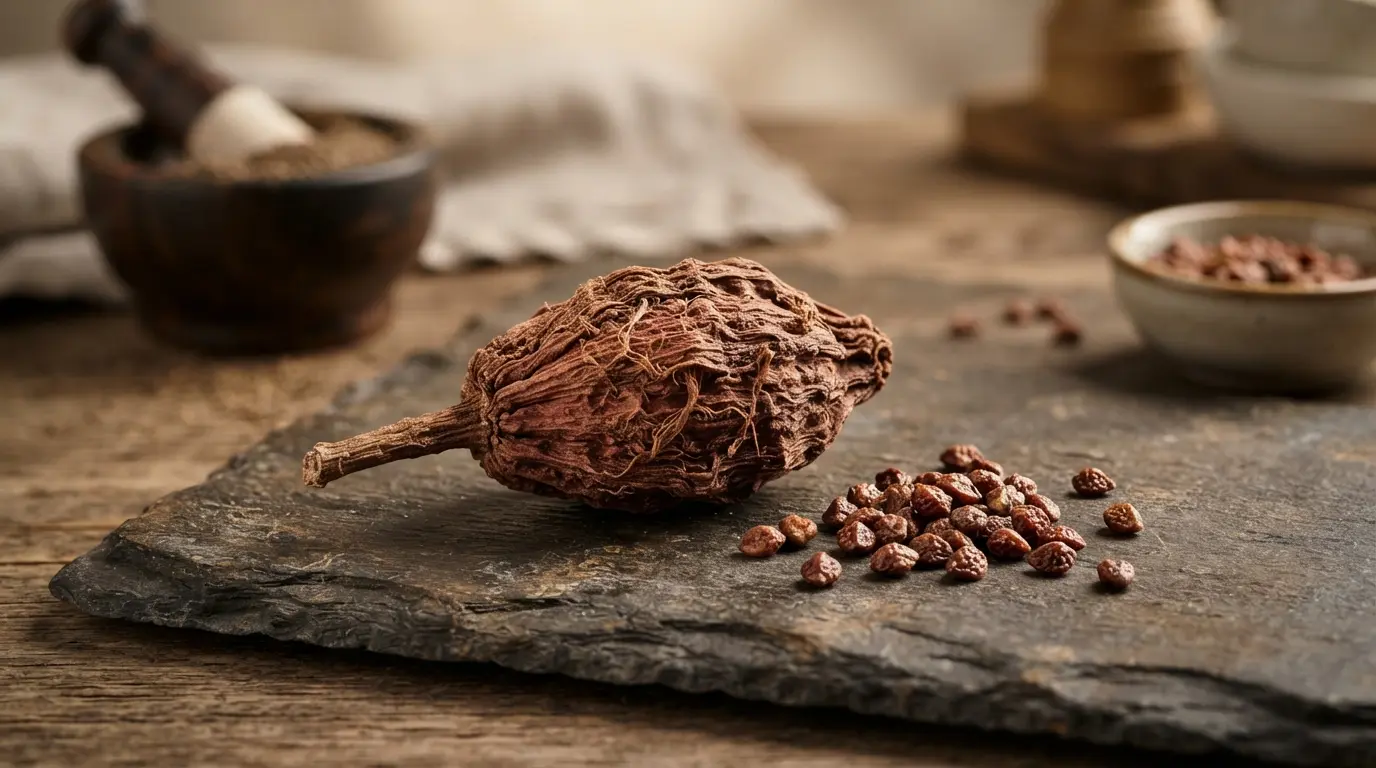
If you heard the name “alligator pepper,” what comes to mind? Is it the same as grains of paradise? Will it set your mouth on fire like a chili? This guide gives a clear, concise answer – the flavor, the science, and the culture, all in one place.
Alligator pepper (Aframomum melegueta) is a West and Central African spice, prized for its bumpy, alligator-like pod and its warm, peppery seeds. It has a long history in regional cooking and in traditional customs, and it belongs to the same plant family as ginger and cardamom – which helps explain its aroma.
Quick Facts
| Attribute | Detail |
| Botanical name | Aframomum melegueta |
| Family | Zingiberaceae (ginger family) |
| Plant part used | Seeds inside a pod |
| Origin | West and Central Africa |
| Flavor | Peppery, warm, notes of ginger, cardamom, citrus |
| Also called | Grains of paradise (seeds), atare (Yoruba), ose oji (Igbo) |
| Forms sold | Whole pods, loose seeds, ground |
What is Alligator Pepper?
Aframomum melegueta belongs to the ginger family, and its seeds carry the flavor. Split a pod open and you find clusters of small, reddish-brown seeds packed inside – those seeds are the spice. Growers harvest the pods, dry them, and sell whole pods, loose seeds, or ground product. The pod’s bumpy, ridged skin resembles an alligator’s back, which is how the common name arose.
The name is all about looks – the pod’s bumpy, ridged skin resembles an alligator’s back. And because the plant is a cousin of ginger and cardamom, the seeds carry that same warm, aromatic character.

Botanical Identity And How It Is Authenticated
Alligator pepper has several look-alikes (for example, Aframomum daniellii and Aframomum corrorima). Historically botanists such as F.N. Hepper clarified these distinctions. Because cheaper look-alikes can be substituted.
Scientists can now check a seed’s DNA to prove which plant it came from. You do not need to do that yourself. Just buy from a seller that names the exact plant – Aframomum melegueta.
What Does Alligator Pepper Taste Like – And Is It Hot?
Alligator pepper is not a chili. It contains no capsaicin, so it does not belong on the Scoville scale the way a jalapeño or a bird pepper does. If you ever see it given a Scoville rating, that is a mistake.
Its “heat” is a different kind. The pungency comes from natural compounds called paradol and gingerol. The same warm bite you notice in fresh ginger. The flavor reads as peppery and aromatic, with notes of cardamom, citrus, and pine. It warms the palate rather than burning it.
Active Compounds And What Research Has Looked At
The spice owes its character to a small group of plant compounds. Named plainly:
- 6-paradol – the main pungent compound.
- 6-gingerol and 6-shogaol – the warming compounds also found in ginger.
- Aromatic essential oils – such as humulene and caryophyllene, which shape the smell.
Screening of the seeds also reports alkaloids, flavonoids, and tannins, the polyphenol groups common to many culinary botanicals.
What has research examined? Mostly early, laboratory-level work, plus one notable human study.
Research so far has been mostly lab and animal studies exploring its compound profile and metabolic activity. A small human study suggested a concentrated extract might increase energy expenditure, but evidence in people is limited. The overall takeaway: compound-level science is interesting, but human data are sparse. Source: Pmc.ncbi.
Use it as a flavoring spice, not as a medical treatment.
Alligator Pepper Vs Grains Of Paradise Vs Black Pepper Vs Bird Pepper

This is where most people get confused. Here is the clear version, side by side.
| Feature | Alligator pepper (Aframomum melegueta) | Grains of paradise (same plant, seeds) | Black pepper (Piper nigrum) | African bird pepper (Capsicum) |
| Family | Zingiberaceae (ginger) | Zingiberaceae (ginger) | Piperaceae | Solanaceae (chili) |
| Form | Whole pod with seeds | Loose seeds only | Dried berries | Small hot chilies |
| Main compounds | 6-paradol, 6-gingerol | 6-paradol, 6-gingerol | Piperine | Capsaicin |
| Flavor | Peppery, citrus, earthy | Peppery, cardamom, citrus | Sharp, woody | Fiery, capsaicin heat |
| Typical use | West African cooking, custom | Brewing, gourmet spice | Everyday seasoning | Hot sauces, heat |
Alligator pepper and grains of paradise come from the same species. The difference is mostly in form: “alligator pepper” commonly refers to the whole pod, while “grains of paradise” usually refers to the loose seeds.
On the other hand, Black pepper is an unrelated plant. And African bird pepper is a true chili – far hotter, and a completely different plant altogether.
Nutrition at a Glance
Beyond flavor, the dried seeds carry minerals. Reported analyses vary by sample and method, so treat these as approximate:
| Nutrient | Status |
| Potassium | Reported in some analyses, but exact per-100g values vary by sample and method publications. |
| Calcium | Reported in some analyses, but exact values should be verified against the specific source publications. |
| Magnesium | Reported in some analyses, but published results are not consistent enough for a universal number publications. |
| Vitamin C | Not reliable to state without a direct lab analysis. (source: academia). |
Traditional and Culinary uses
Alligator pepper is common in West African cooking. Cooks grind the seeds into pepper soups, stews, marinades, and spice rubs. It pairs well with meat, fish, and root vegetables; a little goes a long way.
The spice also carries cultural importance. In many Igbo and Yoruba customs, the whole pod appears alongside the kola nut as a sign of welcome and respect at gatherings. Regional names vary (Yoruba: atare; Igbo: ose oji), so product listings may show different local names.
Mbongo Tchobi: Cameroon’s black stew tradition
In Mbongo Tchobi, a dark Cameroonian stew, alligator pepper is often roasted or charred with other spices, then ground and simmered to create a deep, smoky sauce for fish or pork. Using whole pods lets you control toasting for the best flavor.
How To Use Alligator Pepper?
Using it is simple:
- Grind fresh. Crack the pod, take out the seeds, and grind them just before cooking for the strongest aroma.
- Add early to slow dishes. Stir ground seeds into pepper soups, stews, and braises so the flavor settles in.
- Toast for depth. For a Mbongo-style flavor, dry-toast or char the pods before grinding.
- Use as a finishing pepper. A light sprinkle works like a warm, aromatic black-pepper swap.
- Store it dry. Keep pods or seeds in an airtight jar, away from heat and light, to hold the aroma.
If you want quality seeds to cook with, our wildcrafted, lab-tested alligator pepper comes ready for the kitchen. For a related West African aromatic, see our guide to prekese (aidan fruit), and browse the full bulk herbs and spices range.
Substitute For Alligator Pepper
If you do not have alligator pepper, use grains of paradise first, since it comes from the same plant and gives the closest flavor. If that is unavailable, try a mix of black pepper plus a little ginger or cardamom for warmth and aroma. These substitutes will not match the exact flavor, but they work well in soups, stews, and spice blends.
Safety & Side effects
Use as a culinary spice, in the small amounts cooking calls for, alligator pepper is a normal kitchen ingredient. As with any concentrated spice, more is not better.
Who should be using with caution
- Pregnancy and nursing: Avoid concentrated extracts if you are pregnant or nursing.
- Sensitive stomach. Large amounts on an empty stomach may cause stomach discomfort for some people, because the seeds are pungent.
- Medication. If you take prescription medicine, ask your healthcare provider before using concentrated A. melegueta extracts.
- Sourcing. Quality matters, always – choose seeds that are wildcrafted and lab-tested, so you know the species is genuine.
Conclusion
Alligator pepper works best for cooks who want a bold, warm spice with a sharp, aromatic finish. It fits well in soups, stews, marinades, spice blends, and traditional West and Central African dishes where a smoky, layered flavor is the goal.
It is less suitable for people looking for a mild seasoning, since its flavor can be intense and slightly pungent. It is also not the best choice for anyone expecting a sweet or neutral spice profile.
For best results, use it in dishes that can handle depth and heat, especially slow-cooked recipes and savory sauces. Whole seeds are usually the better option when you want fresher flavor and more control over grinding.
Sources – Reference
- Grains of paradise (Aframomum melegueta) – Wikipedia
- Alligator pepper – Wikipedia
- Botanical identity, family, and look-alikes: Aframomum melegueta botanical description – useful for the plant’s description and family context. Pharmacognosyucc.
- Same-species relationship with grains of paradise: Grains of paradise / Aframomum melegueta – useful because it explicitly identifies grains of paradise as seeds of Aframomum melegueta.pubmed.ncbi.nlm.nih
- No capsaicin / Scoville not appropriate: Pungency compounds and Scoville limitation reference – this is the right kind of source for explaining why capsaicin-based Scoville heat does not apply to alligator pepper.
- Active compounds and early research: 6-Paradol and related compounds in grains of paradise – relevant for 6-paradol, 6-gingerol, and early biological research.pubmed.ncbi.nlm.nih
- Nutrition caution / variability: Alligator pepper physical and seed properties study – useful for showing seed properties and supporting the idea that characteristics vary by sample and method.
- Hepper, F.N. (1968). Flora of West Tropical Africa. Royal Botanic Gardens, Kew. (Taxonomy).
Frequently Asked Questions (FAQ)
- Alligator pepper is a traditional spice used for flavor and general wellness.
- Traditionally used as a warming spice with potential wellness support.
- A flavorful spice with traditional uses in West African wellness practices.
Look for whole pods or seeds from a supplier that names the species and lists sourcing and testing. Herb To Body stocks wildcrafted, lab-tested seeds.
They come from the same plant, Aframomum melegueta. “Alligator pepper” usually means the whole pod with seeds inside, while “grains of paradise” usually means the loose seeds. You cook with them the same way.
It is traditionally used as a spice, but it is not a medicine. Any health effects are not well proven, so avoid strong body-benefit claims.
In the USA, it is usually sold as grains of paradise or alligator pepper, and sometimes as melegueta pepper. You may also see “Guinea pepper,” but that name is also used for other spices (such as Xylopia aethiopica), so check for the botanical name Aframomum melegueta to be sure you’re getting the right one.
In Yoruba it is commonly called atare. In Igbo it is called ose oji, the pepper served with kola nut at gatherings.
Disclaimer: *These statements have not been evaluated by the Food and Drug Administration. This product is not intended to diagnose, treat, cure or prevent any disease.

Columbus Day 2026: History, Plants of the Columbian Exchange
Many foods and herbs we use today including chili peppers, cacao, vanilla, tomatoes, and potatoes,...
Oct

Vitamin C Powder: Forms, Dosage, Safety, and How to Choose
Vitamin C powder is a dissolvable supplement that is usually made with ascorbic acid or...
Oct

Goldenseal Root: Uses, Dosage, Safety & How to Buy It
What Is Goldenseal Root? Goldenseal root is a bitter yellow herb with a long history...
Oct
Andrographis Paniculata: Benefits, Herb Profile, Uses, Dosage & Safety
Andrographis paniculata is a bitter medicinal herb from the Acanthaceae family, often called “King of...
Sep

Patriot Day: History, Facts, and 9/11 Remembrance
Patriot Day is a day of remembrance. It is held every year on September 11th...
Sep
Olive Leaf: Benefits, Active Compounds, and How to Use It
We all use or have heard about olive oil. But did you know that the...
Sep
Labor Day Sale: Fresh Fall Botanicals
Update: The Herb To Body Labor Day 2026 sale ended on Monday, September 7, 2026,...
Sep
Astragalus Root: Benefits, Uses, Dosage & Safety
Astragalus root, also known as huang qi, comes from a plant in the pea family...
Aug

What Is Echinacea: Benefits, Active Compounds, Types, Uses and Who Should Avoid It?
When the cold season arrives, many people add a traditional botanical such as Echinacea to...
Aug

Elderberry (Sambucus nigra): What It’s Used For, Potential Benefits & Safety
Every autumn, the same scene plays out – someone at home starts sniffling. Through the...
Aug
Immune Supporting Herbs: Forms, Uses & Safety Guide
What is an Immune Support Herb? An immune-support herb is a plant traditionally used for...
Aug

Back to School Wellness: A Routine for the Whole School Year
The first bell of the school year changes a household’s routine overnight. Bedtimes shift earlier,...
Aug
Herbs for Women: Traditional Uses, Research Notes and Safety
Many women wellness seekers search for simple herbs to add to a daily routine. Some...
1 Comment
Aug

Oat Straw Tea: Benefits, Uses & How to Brew and Use Perfectly?
What Is Oat Straw Tea? Oat straw tea is a mild herbal tea made from...
Jul
Shikakai Powder: Benefits, Active Compounds, Uses and Safety
Long before bottled shampoo existed, people in South Asia reached for a dried legume pod...
Jul

Mugwort Tea: Benefits, Brewing, Flavor & the Safety Concern No One’s Telling You
Mugwort tea (Artemisia vulgaris), also known as the “Mother of Herbs,” holds a storied place...
Jul

Wormwood Herb: Benefits, Side Effects, Uses, Compounds & More
Wormwood (Artemisia absinthium) is one of the most famous and intensely bitter herbs in traditional...
Jul

Wheatgrass Juice Powder: Benefits, Nutrients, Uses, Taste Comparison & Buying Guide
In a perfect world, we’d all eat fresh greens every single day. But reality hits...
Jul
Yerba Mate: What Is It, Benefits, Caffeine Amount, and How to Make It
Yerba mate is a traditional caffeinated beverage from South America made from the dried leaves...
Jul

Alligator Pepper: Flavor, Uses, Botanical Profile, Substitute and Buying Tips
If you heard the name “alligator pepper,” what comes to mind? Is it the same...
Jul
Green Black Walnut Hull & Extract (Juglans nigra): Benefits, Uses & How It Differs
When you’re looking for black walnut hull, you quickly notice two very different products. One...
Jul

Fourth of July 2026: History, Traditions, and a Safe, Fun Day
The Fourth of July is easy to picture. The grill is going. Music is playing....
Jun

When Is Juneteenth 2026? Meaning, History, Colors & Herbal Deals
Many people know Juneteenth is a holiday, but they don’t know what to do. They...
Jun
Tongkat Ali Honey: Benefits, Taste, Uses & How to Take
Tongkat ali honey is honey mixed with tongkat ali root (Eurycoma longifolia, also called longjack)....
Jun

Best Father’s Day Gifts 2026 for a Health-Minded Dad
Most dads rarely ask for anything for themselves. They say “I’m fine” while rubbing a...
Jun
Black Seed (Nigella sativa): Compounds, Uses & Safety
Black seed is a versatile herb available year-round. It can be used in cooking, added...
Jun

Shilajit: What It Is, How It Works, and How to Choose the Right Form?
Shilajit is a natural mineral resin. It forms in high-altitude mountain ranges, mainly the Himalayas,...
Jun

Prekese (Aidan Fruit): Benefits, Active Compounds, Uses & Safety Guide
Prekese (Tetrapleura tetraptera) is a flowering tree in the Fabaceae (legume) family. It grows in...
May