


Soursop, Soursop Living Bitter
Soursop: Complete Guide to Benefits, Leaves, Powder, Bitters & Uses
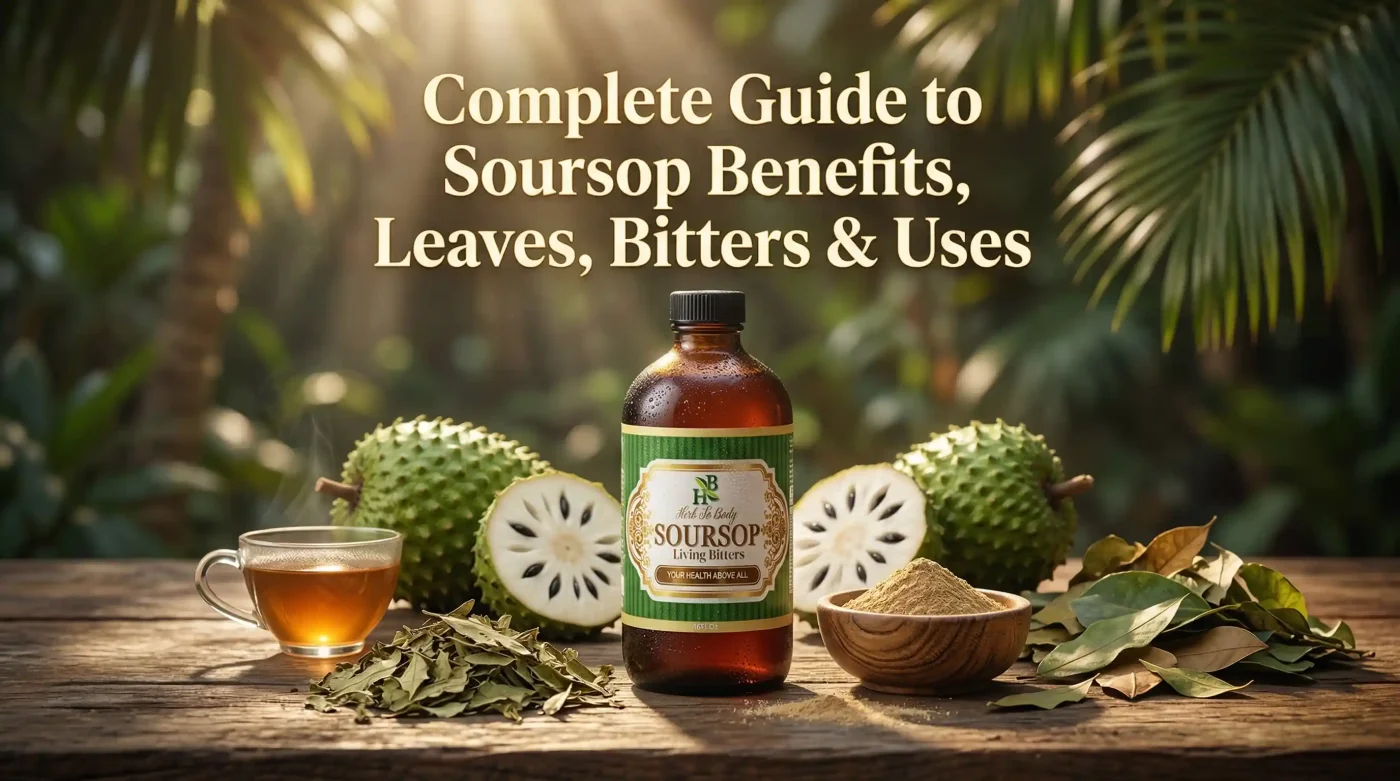
Soursop (Annona muricata), also called graviola, guanábana, or paw-paw, is one of the most widely used botanicals in Caribbean and African herbal traditions. Across the Caribbean, West Africa, and Southeast Asia it is taken daily as a traditional wellness preparation for immune support, digestive regularity, and restful sleep.* This guide explains each benefit, compares every form, and gives dosage guidance based on traditional use and product labels.
| Annona muricata | Graviola/Guanábana | Forms | Tropical Origin |
| Scientific Name | Common Aliases | Leaves, Bitters, Powder, Tea | Caribbean, Africa, Asia |
In This Guide
- What Is Soursop?
- Active Compounds & Science
- Potential Health Benefits
- Soursop Leaves – Benefits & Tea
- Soursop Bitters – What It Does
- Soursop Fruit Powder
- How to Make Soursop Tea
- Leaves vs. Bitters vs. Powder – Which Is Best?
- Soursop for Metabolic Wellness Support & Blood Sugar*
- Soursop for Sleep
- Soursop Benefits for Women
- Soursop Benefits for Men
- Safety, Side Effects & Dosage
- Where to Buy Soursop?
- Frequently Asked Questions
What Is Soursop? Plant, Fruit & Traditional History
Soursop is a tropical, evergreen tree in the family Annonaceae, scientifically known as Annona muricata. It grows between 25 and 30 feet tall and thrives in humid, tropical climates across the Caribbean, Central and South America, West Africa, and Southeast Asia. The tree produces a large, irregularly shaped fruit – covered in soft, flexible spines with a creamy white interior that has a distinctive sweet-tart flavour, often described as a combination of pineapple, strawberry, and citrus.
What makes soursop particularly remarkable is that every part of the tree has a documented history of traditional use. The leaves, bark, roots, seeds, and fruit have all been used in traditional medicine systems for hundreds of years across dozens of cultures. In modern herbal wellness, the leaves carry the highest concentration of bioactive compounds and are the form most commonly used in traditional preparations.
Soursop Names Around the World
Soursop is known by many names depending on the region. Understanding these names is important because most of the traditional and scientific literature refers to the plant by different terms:
| Country / Region | Local Name | Language |
| Brazil | Graviola | Portuguese |
| Spanish-speaking Latin America | Guanábana | Spanish |
| Caribbean (French) | Corossol | French Creole |
| West Africa (Ghana, Nigeria) | Paw-paw / Sorsaka | English |
| Philippines | Guyabano | Filipino |
| Indonesia / Malaysia | Sirsak / Durian Belanda | Bahasa / Malay |
| India | Shul-Ram-Fal | Hindi |
| United Kingdom / USA | Soursop | English |
Traditional Uses Across Cultures
In Jamaica and across the English-speaking Caribbean, soursop leaf tea has been used for generations as a sleep aid and immune tonic. Grandmothers have brewed it in households for centuries, passing knowledge down through generations without formal documentation. In Ghana and Nigeria, soursop leaves are used in traditional wellness practices. Graviola has been studied extensively in Brazil and is incorporated into commercially available herbal supplements.
In the Philippines, guyabano is used as a traditional folk tonic for everyday wellness. The plant’s entry into modern Western wellness circles happened partly due to research into its bioactive compounds. Interest in its compounds spread online in the early 2000s and partly through the Caribbean diaspora community introducing traditional remedies to new markets in the UK and USA.
Why Herb To Body Specializes in Soursop?
Herb To Body’s soursop range (leaves, bitters and fruit powder) is packaged by Herb To Body in the USA.
Active Compounds in Soursop: What the Science Says?
Soursop’s compounds have also drawn scientific attention. Researchers have identified over 200 bioactive compounds in different parts of the Annona muricata plant. The most significant and well-studied of these are:
Annonaceous Acetogenins
These are the most studied compounds in soursop leaves and are unique to the Annonaceae plant family. Over 100 different acetogenins have been identified in soursop, with annonacin being the most prominent. Acetogenins are studied both for their biological activity and for safety concerns.
Alkaloids
Soursop contains several alkaloids including annomuricine, muricinine, and coreximine. These alkaloids have shown antioxidant and calming activity in laboratory studies, which is consistent with the traditional use of soursop leaf for restful sleep and everyday wellness.*
Flavonoids & Polyphenols
Quercetin, kaempferol, and rutin – all powerful antioxidant flavonoids are present in meaningful quantities in soursop leaves. These compounds may help neutralise free radicals, may help support a healthy inflammatory response, and may help support normal cardiovascular function.*
Terpenes
Including beta-caryophyllene and other terpenoids, these compounds contribute to soursop’s properties that researchers have studied for everyday comfort.*
Vitamins & Minerals
Soursop fruit is particularly rich in vitamin C (about 23% of the Daily Value per 100 g), B vitamins (B1, B2, B3), potassium, magnesium, and calcium. The fruit also contains dietary fibre which supports digestive health.*
| Compound Class | Key Examples | Primary Benefit | Found In |
| Acetogenins | Annonacin, bullatacin, squamocin | Subject of laboratory research | Leaves, seeds, bark |
| Alkaloids | Annomuricine, muricinine | Calming; traditionally sleep-supporting* | Leaves, bark |
| Flavonoids | Quercetin, kaempferol, rutin | Antioxidant support* | Leaves, fruit |
| Terpenes | Beta-caryophyllene | Comfort-supporting* | Leaves, fruit |
| Vitamin C | Ascorbic acid | Immune support, antioxidant* | Fruit |
| Potassium | Mineral | Contributes to normal blood pressure and heart function* | Fruit |
| Tannins | Condensed tannins | Astringent; supports normal gut function* | Leaf |
Soursop is a phytochemically rich plant, containing a broad diversity of bioactive compounds studied for their potential.

Potential Health Benefits of Soursop
Soursop has been the subject of a substantial body of laboratory, animal, and ethnobotanical research. Below are the most well-supported benefits, explained in full detail.
Immune Function Support*
Soursop fruit is a source of vitamin C and flavonoids, nutrients that contribute to normal immune system function.*
Healthy Inflammatory Response*
Compounds like quercetin and beta-caryophyllene may help support a healthy inflammatory response and joint comfort during normal daily activity.*
Antioxidant Support*
A source of tannins, flavonoids, and polyphenols — compounds that may help neutralise free radicals and support the body’s defences against oxidative stress.*
Healthy Blood Sugar Support*
Soursop leaf extract has been studied in laboratory and animal models for its interaction with alpha-glucosidase, an enzyme involved in normal carbohydrate digestion. May help support blood sugar levels already within a normal range.*
Blood Pressure Support*
Soursop fruit is a source of potassium, a mineral that supports normal blood pressure and normal heart function. May help support blood pressure already within a normal range.*
Digestive Comfort & Regularity*
Bitter compounds may help support normal bile flow and digestive enzyme activity, and may help support comfortable, regular elimination.*
Restful Sleep & Relaxation*
Soursop fruit contains tryptophan, and the leaf contains alkaloids studied for calming activity.*
Liver Support*
May help support the liver’s normal function and the body’s natural elimination pathways (based on laboratory and animal research models).*
Skin Health*
Antioxidant compounds may help support a healthy, clear-looking complexion and help defend skin against oxidative stress.*
Weight Management Support*
Bitter digestive support may help with occasional bloating and may complement a healthy weight-management routine.*
Normal Respiratory Function*
Traditionally used to support normal respiratory function.*
May support comfort after physical activity*
May help support physical comfort during occasional everyday aches and tension.*
Reproductive & Hormonal Health*
Traditionally used to support hormonal and reproductive wellness in women and men. Not recommended during pregnancy.
Read the Full Breakdown: Health Benefits of Soursop Leaves
*These statements have not been evaluated by the Food and Drug Administration. This product is not intended to diagnose, treat, cure, or prevent any disease.
Soursop Leaves: Benefits, Forms & How to Use?
Soursop leaves are rich in acetogenins, alkaloids and flavonoids and are the most commonly used part. Practically speaking, dried soursop leaves are also the most accessible form. They can be brewed as tea, ground into powder, encapsulated, or extracted into bitters formulas.
What Do Soursop Leaves Do?
Soursop leaf is traditionally used to support immune function, a healthy inflammatory response, blood sugar already within a normal range, digestive comfort, and relaxation. Use hot, not aggressively boiling, water and steep long enough to extract the compounds.
Complete Soursop Leaf Tea Guide – Benefits, Uses & Recipes
Fresh vs. Dried Soursop Leaves
Fresh soursop leaves can be used when available, but dried leaves are far more practical for most people and are actually preferable in some ways. Drying extends shelf life. Store dried leaves airtight, away from light, and use within the best-by date.
Soursop Leaf Powder
Soursop leaf powder is produced by grinding dried leaves into a fine powder. This form offers the greatest versatility. It can be encapsulated for convenience, stirred directly into hot water as a tea, blended into smoothies, or taken as a measured serving. The powder form also provides better dose consistency than whole leaves, which vary in size and thickness. When purchasing soursop leaf powder, look for:
- Soursop leaf – no fillers, binders, or bulking agents
- Deep green color indicates freshness and proper processing
- A distinct earthy, slightly bitter aroma sign of active compounds
- Reputable sourcing from tropical growing regions (Caribbean, West Africa, or Southeast Asia)
Soursop Leaf Powder – How to Use, Benefits & Dosage

Soursop Bitters: What It Is, What It Does & How to Take It?
Soursop bitters is a concentrated liquid herbal tonic made by combining soursop leaf extract with other complementary herbs in a bitter preparation. It is one of the most popular herbal products in the Caribbean diaspora community in the UK, USA, and Canada and for good reason. It is a convenient way to take soursop leaf. Follow the serving size on the product label.
What Exactly Is in Soursop Bitters?
A quality soursop bitters formula – like Herb To Body’s, combines soursop leaf extract as the primary ingredient with supporting herbs such as black seed, sea moss, sarsaparilla, or other Caribbean botanicals. The “bitters” base is traditionally used to prime digestive function ahead of a meal.* Different formulas (soursop living bitters, soursop bitters, mixed berries variant) contain slight variations in supporting herbs and concentrations.
What Is Soursop Bitters Good For?
- Regularity: traditionally used to support comfortable, regular elimination.*
- Digestive support: may help support normal bile flow, occasional bloating, and normal nutrient absorption.*
- Immune support: a source of flavonoids and antioxidant compounds that support normal immune function.*
- Healthy blood sugar support: soursop leaf’s interaction with alpha-glucosidase has been studied in research models; may help support post-meal blood sugar already within a normal range.*
- Liver and kidney support: traditionally used to support the body’s natural elimination pathways.*
- Weight management: may complement a healthy weight-management routine.*
- Energy and vitality: traditionally taken as a daily tonic to support everyday energy. Individual experience varies.*
- Seasonal support: traditionally used in seasonal herbal routines.*
- Hormonal balance: used across Caribbean tradition to support a healthy, regular monthly cycle and reproductive wellness.* (Note: Not for use during pregnancy.)*
- Healthy inflammatory response: contains flavonoids studied for their role in the body’s normal inflammatory response.*
Soursop Bitters – Complete Benefits, Side Effects & Uses Guide
How Long Does It Take for Soursop Bitters to Work?
Soursop bitters is a traditional daily tonic rather than a fast-acting product, and individual experience varies widely. Caribbean practice is built around consistency rather than a fixed timeline:
- Digestive support: Traditionally the first area people focus on, though experience varies.*
- Occasional bloating: Stay within the label serving and follow the 6–8 weeks on, 1–2 weeks off cycle. Taking more does not reflect traditional use.
- Immune and energy support: Traditional routines run 3–6 weeks of consistent daily use.*
- Blood sugar already within a normal range: Traditionally taken daily alongside diet and lifestyle, never in place of them.*
- Weight management: Traditionally taken as part of a broader lifestyle approach.*
Note: soursop bitters is an herbal supplement. Individual experience varies, and nothing here promises a result.
Soursop Bitters Dosage
Standard recommended dosage for adult use:
- Suggested use: Follow the product label.
- Best taken: 30 minutes before food, diluted in water or juice if preferred
- Cycling: use for 6–8 weeks, then take a 1–2 week break before resuming.
Learn more about How to Take Soursop Bitters – Dosage, Best Timing & What to Expect?
Soursop Bitters vs. Other Soursop Products
*These statements have not been evaluated by the Food and Drug Administration. This product is not intended to diagnose, treat, cure, or prevent any disease.
Bitters needs no preparation and is traditionally taken before food. Follow the label serving.
Soursop Living Bitters – What It Is & How It Works
Soursop Leaves vs. Soursop Bitters – Full Comparison

Soursop Fruit Powder: Nutrition, Benefits & How to Use
Soursop fruit powder is produced from dried, ground soursop fruit flesh. It has a very different profile to soursop leaf powder — it is more nutritional than concentrated, with a sweet tropical flavour that makes it ideal for smoothies, health drinks, and food applications.
Nutritional Profile of Soursop Fruit Powder
Per 100g of soursop fruit, the nutritional content includes approximately 66 calories, 16.8g carbohydrates, 3.3g dietary fibre, 1g protein, and 1g fat. Key micronutrients include Vitamin C (about 23% of the Daily Value), potassium (278mg), magnesium (21mg), calcium (14mg), and B vitamins including thiamine (B1), riboflavin (B2), and niacin (B3). Values above are for fresh fruit. Drying changes the nutrient profile, so check the product label.
Soursop Fruit Powder vs. Soursop Leaf Powder
| Feature | Soursop Fruit Powder | Soursop Leaf Powder |
| Source | Dried soursop fruit | Dried soursop leaves |
| Primary compounds | Vitamin C, potassium, B vitamins, fibre | Acetogenins, alkaloids, flavonoids, tannins |
| Taste | Sweet, tropical, fruity | Bitter, herbal, earthy |
| Best for | Smoothies, nutrition boost, flavour | Tea, capsules, concentrated use |
| Bioactive potency | Moderate | High |
| Main benefit | Nutritional support, vitamin C content | Healthy inflammatory response, blood sugar already within a normal range, immune support* |
| Herb To Body product | Graviola Soursop Fruit Powder | Soursop Leaves |
How to Use Soursop Fruit Powder?
- Smoothies: 1-2 teaspoons blended with banana, mango, and coconut water for a tropical smoothie
- Juice: stir into water or juice for a quick vitamin boost
- Yoghurt or oatmeal: mix 1 teaspoon into breakfast for added nutrition
- Ice cream and desserts: the sweet-tart flavor works well in frozen desserts and tropical puddings
Soursop Fruit Powder – Complete Benefits, Uses & Safety Guide
Graviola Soursop Fruit Powder – Available in 4oz & 8oz Fruit powder No fillers or additives
How to Make Soursop Tea: 3 Step-by-Step Methods
Soursop leaf tea is the most traditional and widely used preparation method.
Method 1: Dried Whole Leaf Tea (Traditional)
- Bring 1 cup (8 oz) of filtered water to a boil, then remove from heat
- Add 3 dried soursop leaves (whole or lightly broken)
- Cover and steep for 10-15 minutes
- Remove leaves with a strainer or tongs
- Allow to cool to a comfortable drinking temperature
- Optional: add raw honey, ginger, or a squeeze of lemon to taste
- Drink 1 cup. Maximum 2 cups per day.
Method 2: Soursop Leaf Powder Tea
- Boil water and allow to cool slightly to around 85–90°C (do not use aggressively boiling water).
- Measure 1/2 teaspoon of soursop leaf powder
- Add powder to your cup and pour hot water over it.
- Stir well and steep for 5-7 minutes.
- Strain if preferred, or drink with the powder dissolved (both are fine).
- Sweeten with honey if desired.
Detailed guide to soursop leaves powder
Method 3: Soursop Cold Brew (Overnight)
- Add 3 dried soursop leaves to a mason jar or glass pitcher.
- Fill with 1 cup (8 oz) of cold filtered water.
- Seal and refrigerate overnight (8–12 hours).
- Strain leaves in the morning and drink the cold-brewed tea.
- Cold brewing produces a milder, slightly sweeter taste and may preserve more heat-sensitive compounds.
Soursop Tea Recipes
Soursop Relaxing Tea:Steep 3 dried soursop leaves, 1 teaspoon chamomile, and a pinch of nutmeg in 1 cup (8 oz) of freshly boiled water, covered, for 10-15 minutes. Strain, sweeten with honey. Drink 30 minutes before bed.
Soursop Tea Safety Rules
Do not exceed 2 cups of soursop leaf tea per day. Use soursop tea in cycles of 6 to 8 weeks on, followed by a 1 to 2 week break. Pregnant women should not drink soursop tea. Always consult a doctor before use if you take blood-pressure, blood-sugar, or blood-thinning medication.
Soursop Oil (The concentrated oil)
Soursop oil needs more care than the other forms. Soursop oil is typically extracted from the seeds or leaves, creating a highly concentrated form of the compounds described above, including acetogenins and alkaloids. It shows up as a topical oil for skin health, or sometimes as an internal supplement.
Whether topical or internal, this is the most concentrated form available outside of pure extracts. Herb To Body does not recommend internal use of soursop oil. Concentrated seed and leaf oils carry neurotoxicity risk and interaction potential. Topical use only.
Soursop Leaves vs. Bitters vs. Fruit Powder vs. Tea vs. Oil: Which Is Best for You?
One of the most common questions we receive is: “Which soursop product should I use?” The answer depends entirely on your health goal, lifestyle, and how consistent you need to be. Here is the definitive guide:
| Form | Best For | Potency | Ease of Use | Dose | Price Point |
| Soursop Bitters | Daily regularity, immune support, blood sugar already within a normal range* | ★★★★ High | ★★★★★ Easiest | As directed on label | Mid–High |
| Dried Leaves Tea | Sleep, daily wellness, healthy inflammatory response* | ★★★★ High | ★★★ Moderate | 1–2 cups/day | Low |
| Leaf Powder | Flexible use for capsules, smoothies, tea | ★★★★ High | ★★★★ Easy | 1/2 tsp per cup, as directed on label | Low–Mid |
| Fruit Powder | Nutrition, smoothies, vitamin C, everyday immune support* | ★★★ Moderate | ★★★★★ Easiest | 1–2 tsp/day | Low–Mid |
| Soursop Oil | Topical skin care, massage, complexion support | ★★ Low (topical only) | ★★★ Moderate | Apply a small amount to clean, dry skin | Low–Mid |
Our Recommendation by Goal
- Daily regularity and elimination support: Soursop Bitters
- Daily immune maintenance: Soursop Bitters or Leaf Tea
- Sleep support: Soursop Leaf Tea (drunk 30 mins before bed)
- Healthy blood sugar support, already within a normal range: Soursop Bitters (morning, before meals)*
- Nutrition and smoothies: Soursop Fruit Powder
- First-time user, testing the herb: start with Soursop Leaf Tea
- Most convenient daily format: Soursop Bitters
All Soursop Forms Explained – Tea, Fruit, Leaf Powder & Bitters
Soursop for Metabolic Wellness & Healthy Blood Sugar Support*
One of the most searched questions about soursop is its potential role in supporting healthy blood sugar levels. Animal and laboratory studies have examined how soursop leaf extract interacts with alpha-glucosidase, an enzyme involved in breaking carbohydrates down into glucose. This research is preclinical and has not been replicated in human trials. Soursop leaf may help support post-meal blood sugar already within a normal range.*
Important Note If You Take Medication
Soursop is a herbal supplement and must never replace prescribed medication. If you take any prescription medication — especially anything that affects blood sugar or blood pressure — consult your healthcare professional before use.
Soursop for Sleep: How & Why It Works?
Soursop’s use as a traditional sleep preparation is one of its oldest and most culturally consistent applications. From Jamaican grandmothers to Nigerian herbalists, the message is the same: drink soursop leaf tea before bed to sleep deeply and wake rested. Soursop fruit contains tryptophan, an amino acid precursor to serotonin and melatonin, the neurotransmitter and hormone involved in the normal sleep-wake cycle.
The alkaloids in soursop leaves — particularly annomuricine and muricinine — have been studied in laboratory models for calming activity. Many people describe soursop leaf tea as producing a gentle, natural tiredness rather than a forced one.*
How to Use Soursop for Sleep?
- Steep 3 dried soursop leaves in 1 cup (8 oz) of freshly boiled water, covered, for 10-15 minutes, then strain.
- Optionally add chamomile, passionflower, or a pinch of nutmeg to taste.
- Drink 30–60 minutes before intended bedtime.
- Avoid screens and bright lights after drinking, and let your evening wind down naturally.
- Use as part of an evening routine in cycles of 6 to 8 weeks on, followed by a 1 to 2 week break.
Soursop Benefits for Women?
Soursop has a particularly strong tradition of use among women in the Caribbean, West Africa, and Latin America. Key benefits women most commonly use soursop for include:
- Menstrual support: May help support menstrual comfort and a regular monthly cycle.*
- Supports monthly comfort and hormonal balance: The calming alkaloids are traditionally associated with supporting emotional balance and comfort through the monthly cycle.*
- Skin health: The antioxidants and other plant compounds may help support clearer-looking skin and normal skin elasticity.*
- Occasional bloating: Traditionally used to support digestive comfort.*
- Immune support through the monthly cycle: immune function naturally fluctuates across the menstrual cycle. Soursop leaf is traditionally taken as a daily tonic to support normal immune function through it.*
Pregnancy Warning
Soursop is NOT recommended during pregnancy. In traditional Caribbean use, soursop is known as a uterine stimulant and has historically been used to induce menstruation. Pregnant women should avoid all soursop products entirely as a precaution.
Soursop Benefits for Men
In Caribbean and West African tradition, soursop bitters is consumed regularly by men as a general tonic for vitality, strength, and wellness. The specific male-focused benefits include:
- Supports healthy male vitality and energy: Soursop is traditionally used to support male hormonal health, though direct evidence remains limited to traditional use.*
- Men’s wellness: Traditionally used to support normal urinary function.*
- Liver support: Soursop’s compounds are traditionally used to support the liver’s normal function.*
- Digestive health: Regular bitters use may help support a healthy gut environment and ease occasional bloating and digestive discomfort.*
Soursop Safety, Side Effects & Dosage – Full Guide
Is Soursop Safe to Use?
Soursop has a long record of traditional use as a food and tea plant. Most people tolerate it at the amounts on the product label, but it carries real cautions, listed below. Talk to your healthcare provider before use. It is a food plant. The fruit is eaten freely across the tropics and the leaves have been brewed as tea for generations.
Known Side Effects at Normal Doses
- Loose stools: Particularly when starting soursop bitters often settles within 1–2 weeks as the gut adjusts
- Mild nausea: Occasional at higher doses, especially if taken on an empty stomach without dilution
- Headache: Rare, and usually in the first week of use
Side Effects at High or Prolonged Doses
- Neurotoxicity caution: Annonacin, a compound in soursop leaves, seeds and fruit, has been linked in research to an atypical form of Parkinsonism.*
- Severe nausea and vomiting: At very high doses
- Blood pressure drop: Excessive doses may cause hypotension in susceptible individuals.
Read More: Soursop Bitters Benefits & Side Effects
Drug Interactions
- Blood pressure medications: Soursop may interact with these medicines. Taken with blood-pressure medication, it could cause your blood pressure to drop too low. Consult your doctor first.
- Medications: Combined with medicines that affect blood sugar, soursop may add to their effect. Consult your doctor first.
- Blood thinners: Interaction data for soursop is limited, so talk to your healthcare provider before use.
- Antidepressants (SSRIs): Evidence is limited, but caution is advisable. Consult your doctor first.
Who Should Avoid Soursop?
- Pregnant women (uterine stimulant).
- Breastfeeding women (insufficient safety data).
- People with Parkinson’s disease or other movement disorders.
- People with low blood pressure (hypotensive risk).
- Anyone on prescription blood pressure, blood sugar, or blood-thinning medication – consult a doctor first.
Recommended Dosage by Form
| Form | Typical Preparation | General Use | Timing | Important Note |
|---|---|---|---|---|
| Soursop bitters | Follow the serving size on the product label | Use only as directed on the label | Often taken before food, unless the label says otherwise | Do not exceed the labeled serving |
| Dried leaf tea | Steep 3 dried leaves in 1 cup (8 oz) of freshly boiled water, covered, for 10–15 minutes; strain | 1–2 cups daily in 6 to 8 week cycles | Morning or early evening | Follow a 6 to 8 week on, 1 to 2 week off cycle |
| Fresh leaf tea | Use 3–5 fresh leaves per cup of hot water; steep 5–10 minutes; strain | Use moderately | Morning or early evening | Leaf strength can vary widely |
| Leaf powder | Follow the labeled serving size; commonly mixed into tea or food | Do not exceed the labeled serving | With tea or food | Start with the smallest labeled serving if new to the product |
| Fruit powder | Follow the labeled serving size; mix into food or drinks | Use as part of a varied diet | Any time | Fruit preparations are generally different from concentrated leaf products |
Medical Disclaimer
All information in this guide is for educational purposes only and does not constitute medical advice. Soursop is not intended to diagnose, treat, cure, or prevent any disease. Always consult a qualified healthcare professional before starting any new supplement, especially if you have a medical condition or take prescription medication.
Frequently Asked Questions (FAQ)
Soursop leaf is traditionally used to support normal immune function, digestive comfort and regularity, restful sleep, and blood sugar and blood pressure already within a normal range. It is also a source of antioxidant flavonoids and polyphenols. The primary compounds studied are annonaceous acetogenins and alkaloids, concentrated in the leaves.* For a detailed breakdown, read our 15 health benefits guide.
Steep 3 dried soursop leaves in 1 cup (8 oz) of freshly boiled water, covered, for 10–15 minutes. Strain, allow to cool slightly, and drink 1–2 cups daily in cycles of 6 to 8 weeks on, followed by a 1 to 2 week break. You can also use 1/2 teaspoon of soursop leaf powder steeped in 85–90°C water for 5 minutes. Full guide: Soursop Leaf Tea Guide.
Soursop bitters is a traditional daily tonic rather than a fast-acting product, and individual experience varies widely. Caribbean practice is built around consistency: a daily serving for six to eight weeks, then a one to two week break. Take it as part of a routine rather than expecting a fixed timeline.*
Graviola (Brazil), guanábana (Spanish-speaking Latin America), corossol (French Caribbean), paw-paw or sorsaka (West Africa), guyabano (Philippines), sirsak (Indonesia). Scientific name: Annona muricata.
Leaves are brewed as tea — milder, require preparation. Bitters is a concentrated liquid extract — more concentrated, taken as a 1 tbsp (15 mL) serving once daily. Bitters typically combines soursop with other herbs. See full comparison: Soursop Leaves vs. Soursop Bitters.
Early animal and lab studies have looked at soursop leaf extract and glucose metabolism, but human research is limited. However, it must never replace prescribed medication. Taken together with medicines that affect blood sugar, it may add to their effect. Always consult your doctor before using soursop if you have an existing health concern or take prescription medication.
At normal doses soursop is well-tolerated. High doses can cause nausea or loose stools. Prolonged very high-dose use has rare reports of neurotoxic effects linked to annonacin. Avoid during pregnancy. Consult a doctor if you take any prescription medication.
Soursop bitters is a concentrated liquid herbal tonic made from soursop leaves and other herbs. It is most commonly taken for digestive support and regularity, everyday immune support, and as part of a seasonal herbal routine. It is more potent than tea and taken as a 1 tbsp (15 mL) serving once daily. Full guide: Soursop Bitters Benefits, Side Effects & Uses.
Yes. 1 tbsp (15 mL) once daily is the label serving. Most people cycle use: 6-8 weeks on, followed by a 1-2 week break.
Fruit powder comes from dried soursop fruit are high in vitamin C, B vitamins, potassium and natural sugars, with a sweet tropical taste. Ideal for smoothies and food use. Leaf powder comes from dried leaves. High in acetogenins, alkaloids and flavonoids. Usually taken as tea or in capsules.
Disclaimer: *These statements have not been evaluated by the Food and Drug Administration. This product is not intended to diagnose, treat, cure, or prevent any disease.

Soursop Leaf vs. Soursop Bitter: Which is Better for Your Body?
Most people get confused when it comes to choosing between soursop leaves and soursop bitter....
1 Comment
Dec

How To Make Soursop Tea: Benefits, Side Effects and Uses
For generations tea has been a part of daily life in many cultures. Some blends...
Sep

Soursop (Graviola) Bitter Benefits & Side Effects: Is It Right for You?
Soursop bitter are a concentrated, liquid herbal extract made primarily from the leaves, roots, and...
2 Comments
Sep
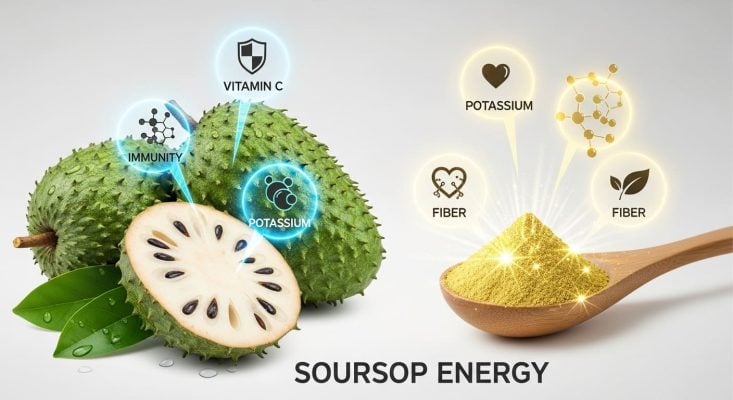
The Complete Guide to Soursop Fruit Powder (Graviola): Benefits, Uses, and Safety
Soursop grows in tropical areas. This fruit is mainly found in warm climate zones of...
1 Comment
Aug
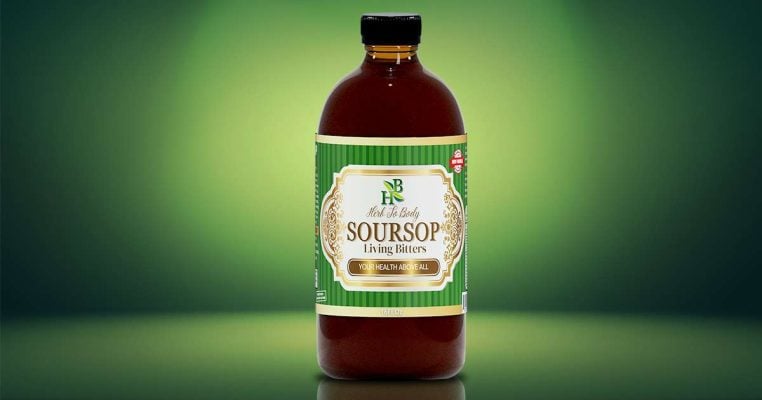
Buy Soursop Living Bitter – Traditional Herbal Tonic for Wellness
Herb To Body’s Soursop Living Bitter is an herbal tonic made to nourish and support...
Apr
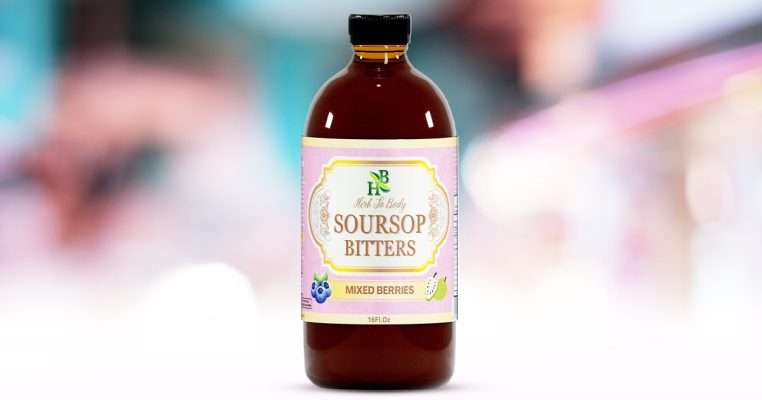
Unlock the Power of Daily Wellness with Soursop Bitters Mixed Berries
Our bodies face a constant stream of stressors – poor diet, environmental factors, lack of sleep,...
Apr

Health Benefits of Soursop Leaves Powder: What They’re Good For and How to Use?
Beyond the popular fruit, the leaves of the soursop tree have been used in traditional...
Aug