


Seed, Spices, Substitute
Anise Seed vs. Star Anise: Benefits, Precise Substitution Ratios & Uses

Often confused, yet botanically different from each other. Anise seed (Pimpinella anisum) and star anise (Illicium verum) share a common aromatic compound, anethole, both of them their signature licorice-like flavor. This singular similarity is where the confusion ends. Beyond taste, these two spices diverge significantly in their botanical origins, chemical complexities, and optimal culinary applications.
Key Takeaways: Anise Seed vs. Star Anise
| Topic | Anise Seed | Star Anise |
| Origin & Appearance | Herb Seed (Parsley family). Small, oval, grayish-green. | Tree Fruit (Magnolia family). Large, reddish-brown, eight-pointed star. |
| Flavor & Intensity | Milder, sweeter. | Stronger, pungent, woody. |
| When to Use | Baking (biscotti), Gentle Teas, light Liqueurs. | Savory Braises (pork/beef), Pho, Five-Spice blends. |
| Substitution | Can be substituted with Fennel Seed (1:1 ratio). | Substitute with Fennel Seed or Clove & Cinnamon blend (start small). |
| Crucial Safety Alert | Low toxicity risk. | HIGH RISK: Check for toxic Japanese look-alikes. |
Botanical and Origin Distinctions
Anise Seed
Anise seed (Pimpinella anisum) comes from a flowering plant in the Apiaceae family (the parsley family). Native to the Mediterranean region and Southwest Asia, these small, greenish-brown seeds have been cherished for millennia.
Star Anise
Star anise (Illicium verum) is the star-shaped fruit of an evergreen tree belonging to the Magnoliaceae/Schisandraceae family, utterly unrelated to the anise seed plant. Indigenous to China and Vietnam, it is a cornerstone of Asian culinary traditions.
Anise seed vs Star anise
Benefits of Anise
Anise Seed Benefits
Traditionally, anise seed and anise seed powder has been valued for its carminative, expectorant, and mild estrogenic properties. Modern research might suggest several benefits:
- Digestive Aid: Anise seed may help support digestive comfort and help reduce occasional gas and bloating.*
- Natural Defenses: Compounds like anethole help support the body’s natural immune defenses.*
- Antioxidant Effects: Anise seed contains antioxidants that help neutralize free radicals and oxidative stress.*
- Lactation Support: It is traditionally used to help support milk production for nursing mothers.*
- Respiratory Support: Anise seed is traditionally used to support respiratory health and throat comfort.*
Wants to know more about Anise Seed – Read More Anise Seed Benefits, Uses & Safety Guide

Star Anise Benefits
Star anise offers potent properties due to its composition:
- Immune System Support: Contains Shikimic acid and antioxidants that help support a healthy immune system.*
- Antioxidant Effects: Flavonoids and phenolics may help protect cells from free radical damage.*
- Microbial Balance: Essential oils may help support a healthy balance of internal flora.*
- Healthy Inflammatory Response: Star Anise may help support a healthy inflammatory response to occasional physical stress.*
- Digestive Support: Like Anise seed, Star Anise acts as a digestive aid to help soothe the stomach.*
Chemical Composition
| Feature | Anise Seed (Pimpinella anisum) | Star Anise (Illicium verum) |
| Flavor Profile | Strong, sweet, warm, peppery licorice | Pungent, bold, woody, slightly bitter licorice |
| Intensity | Milder and sweeter | Significantly stronger and more assertive |
| Secondary Compounds | Estragole (herbaceous note), Anisaldehyde, PMC, ncbi.nlm.nih | Limonene, Linalool, Shikimic Acid pubmed.ncbi.nlm.nih |
| Critical Unique Role | Primarily a culinary and digestive aid | Pharmaceutical precursor (Shikimic Acid is used to synthesize Tamiflu). Source: PubMed Central |
Star Anise contains the starting material for Tamiflu, consuming the spice itself does not treat the flu.
Culinary Applications
Anise Seed (Pimpinella anisum)
- Flavor: Subtle, sweet, herbaceous licorice.
- Primary Use: European baked goods (like biscotti), and liqueurs (like Ouzo).
- Pairings: Fruits, chocolate, coffee, and fish.
Star Anise (Illicium verum)
- Flavor: Strong, pungent, woody, peppery licorice.
- Primary Use: Asian savory dishes (like Pho) and spice blends (like Chinese Five-Spice).
- Pairings: Pork, duck, beef, ginger, and cinnamon.
Substitution Ratio

Anise Seed Alternative: Use fennel seeds (1:1 ratio – closest match), star anise (use less, it’s bolder), caraway (same amount, nuttier), or tarragon (half amount, herbal kick).
Star Anise Alternative: Try ground anise seed (1 tsp per pod), fennel seeds (¼ tsp, gentler), Chinese five-spice (½ tsp blend), or cloves and cinnamon (¼ tsp each). Taste as you adjust.
| Spice You Have | Spice You Need | Ratio (Start Here) | Flavor Adjustment Note |
| Star Anise (Whole Pod) | Anise Seed (Ground) | 1.5 tsp for 1 pod | Sweeter/milder |
| Anise Seed (Ground) | Star Anise (Whole Pod) | 1/2 pod for 1 tsp | Liquids only |
| Fennel Seed (Ground) | Anise Seed (Ground) | 1:1 | Milder, earthy |
Safety Warnings
The most critical difference is safety. Toxic Japanese Star Anise (Illicium anisatum) contains the potent neurotoxin anisatin, causing severe effects like seizures. The FDA warns against contamination.
| Feature | Edible Chinese Star Anise (I. verum) | Toxic Japanese Star Anise (I. anisatum) |
| Points | Typically, 8 uniform, plump, boat-shaped carpels. | Often more than 8 (up to 12) irregular, brittle, or bent carpels. |
| Aroma | Strong, sweet licorice. | Weak, bitter, or rank. |
Sourcing & Storage: Safety and Potency
- Sourcing Priority: Always buy whole pods or seeds over ground powder. This ensures potency and is essential for visual safety checks.
- Shelf Life (Whole): Lasts 3-4 years in airtight storage.
- Shelf Life (Ground): Replace ground spices every 6 to 12 months for best flavor.
- Storage: Keep away from heat, moisture, and light.
Conclusion
Anise seed and star anise are distinctly different in flavor and safety. Choose Anise Seed for delicate baking (biscotti) and gentle teas (milder, sweeter flavour). On the other hand, choose Star Anise for bold, savory dishes (pho, braises) (Potent, woody flavor). Knowing the difference protects your health from toxic look-alikes. Use this knowledge to check your spices and cook safely!
Sources – Reference
- Illicium verum – Wikipedia
- Star anise (Illicium verum): Chemical compounds and clinical relevance – PubMed
- Chemical Constituents, Antioxidant Potential, and Antimicrobial Efficacy of Pimpinella anisum – NIH
- Total quantification and extraction of shikimic acid from star anise
- Star anise toxicity – Case Study
Frequently Asked Questions (FAQ)
No, anise seed and star anise come from different plants, though they share a similar licorice-like flavor due to the compound anethole. Anise seed is from an herbaceous plant in the parsley family, while star anise is the fruit of an evergreen tree.
Anise seed oil is used for its digestive, respiratory, and calming benefits (as an expectorant and antispasmodic). Industrially, it flavors liqueurs (Ouzo) and provides a precise, concentrated licorice note for fine baking and cosmetics.
Anise has a sweet, warm aroma reminiscent of black licorice, with subtle herbal and spicy notes.
You can find anise seeds at local supermarkets, specialty spice stores or herb store like Herb to Body, or marketplace via sites like Amazon and Walmart.
They have similar flavor profiles, their intensity and forms differ. Star anise is stronger and typically used whole or in larger pieces, while anise seed is smaller and often ground. Substitution is possible in some dishes, but adjust quantities carefully (e.g., 1 star anise pod approx 1/2 teaspoon anise seeds).
Shikimic acid is a compound found in star anise, notably used as a precursor in the pharmaceutical synthesis of oseltamivir (Tamiflu), an antiviral drug. It is a precursor used in pharmaceutical manufacturing, not a property of the spice itself.*
No, anise and fennel are distinct herbs from different plants, but both offer a similar sweet, licorice taste in cooking.
Star anise boasts a potent, sweet scent like licorice, but with deeper, warmer spice undertones.
You can swap 1 star anise for ¾ tsp ground anise seeds (best licorice flavor), ½ tsp fennel seeds (softer taste), ¼ tsp Chinese five-spice powder, or equal parts cloves and cinnamon.
Chinese star anise (Illicium verum) is edible and typically has 8 distinct, boat-shaped carpels, a short stalk, and a strong licorice aroma. Japanese star anise (Illicium anisatum) is highly toxic, often has more than 8 irregularly shaped, usually broken, or pointed carpels, a longer stalk, and lacks the strong licorice aroma of its edible counterpart. Always visually inspect and purchase from reputable sources.*

Columbus Day 2026: History, Plants of the Columbian Exchange
Many foods and herbs we use today including chili peppers, cacao, vanilla, tomatoes, and potatoes,...
Oct

Vitamin C Powder: Forms, Dosage, Safety, and How to Choose
Vitamin C powder is a dissolvable supplement that is usually made with ascorbic acid or...
Oct

Goldenseal Root: Uses, Dosage, Safety & How to Buy It
What Is Goldenseal Root? Goldenseal root is a bitter yellow herb with a long history...
Oct
Andrographis Paniculata: Benefits, Herb Profile, Uses, Dosage & Safety
Andrographis paniculata is a bitter medicinal herb from the Acanthaceae family, often called “King of...
Sep

Patriot Day: History, Facts, and 9/11 Remembrance
Patriot Day is a day of remembrance. It is held every year on September 11th...
Sep
Olive Leaf: Benefits, Active Compounds, and How to Use It
We all use or have heard about olive oil. But did you know that the...
Sep
Labor Day Sale: Fresh Fall Botanicals
Update: The Herb To Body Labor Day 2026 sale ended on Monday, September 7, 2026,...
Sep
Astragalus Root: Benefits, Uses, Dosage & Safety
Astragalus root, also known as huang qi, comes from a plant in the pea family...
Aug
What Is Echinacea: Benefits, Active Compounds, Types, Uses and Who Should Avoid It?
When the cold season arrives, many people add a traditional botanical such as Echinacea to...
Aug
Elderberry (Sambucus nigra): What It’s Used For, Potential Benefits & Safety
Every autumn, the same scene plays out – someone at home starts sniffling. Through the...
Aug
Immune Supporting Herbs: Forms, Uses & Safety Guide
What is an Immune Support Herb? An immune-support herb is a plant traditionally used for...
Aug

Back to School Wellness: A Routine for the Whole School Year
The first bell of the school year changes a household’s routine overnight. Bedtimes shift earlier,...
Aug
Herbs for Women: Traditional Uses, Research Notes and Safety
Many women wellness seekers search for simple herbs to add to a daily routine. Some...
1 Comment
Aug
Oat Straw Tea: Benefits, Uses & How to Brew and Use Perfectly?
What Is Oat Straw Tea? Oat straw tea is a mild herbal tea made from...
Jul
Shikakai Powder: Benefits, Active Compounds, Uses and Safety
Long before bottled shampoo existed, people in South Asia reached for a dried legume pod...
Jul
Mugwort Tea: Benefits, Brewing, Flavor & the Safety Concern No One’s Telling You
Mugwort tea (Artemisia vulgaris), also known as the “Mother of Herbs,” holds a storied place...
Jul
Wormwood Herb: Benefits, Side Effects, Uses, Compounds & More
Wormwood (Artemisia absinthium) is one of the most famous and intensely bitter herbs in traditional...
Jul

Wheatgrass Juice Powder: Benefits, Nutrients, Uses, Taste Comparison & Buying Guide
In a perfect world, we’d all eat fresh greens every single day. But reality hits...
Jul
Yerba Mate: What Is It, Benefits, Caffeine Amount, and How to Make It
Yerba mate is a traditional caffeinated beverage from South America made from the dried leaves...
Jul

Alligator Pepper: Flavor, Uses, Botanical Profile, Substitute and Buying Tips
If you heard the name “alligator pepper,” what comes to mind? Is it the same...
Jul
Green Black Walnut Hull & Extract (Juglans nigra): Benefits, Uses & How It Differs
When you’re looking for black walnut hull, you quickly notice two very different products. One...
Jul
Fourth of July 2026: History, Traditions, and a Safe, Fun Day
The Fourth of July is easy to picture. The grill is going. Music is playing....
Jun

When Is Juneteenth 2026? Meaning, History, Colors & Herbal Deals
Many people know Juneteenth is a holiday, but they don’t know what to do. They...
Jun
Tongkat Ali Honey: Benefits, Taste, Uses & How to Take
Tongkat ali honey is honey mixed with tongkat ali root (Eurycoma longifolia, also called longjack)....
Jun
Best Father’s Day Gifts 2026 for a Health-Minded Dad
Most dads rarely ask for anything for themselves. They say “I’m fine” while rubbing a...
Jun
Black Seed (Nigella sativa): Compounds, Uses & Safety
Black seed is a versatile herb available year-round. It can be used in cooking, added...
Jun

Shilajit: What It Is, How It Works, and How to Choose the Right Form?
Shilajit is a natural mineral resin. It forms in high-altitude mountain ranges, mainly the Himalayas,...
Jun

Prekese (Aidan Fruit): Benefits, Active Compounds, Uses & Safety Guide
Prekese (Tetrapleura tetraptera) is a flowering tree in the Fabaceae (legume) family. It grows in...
May
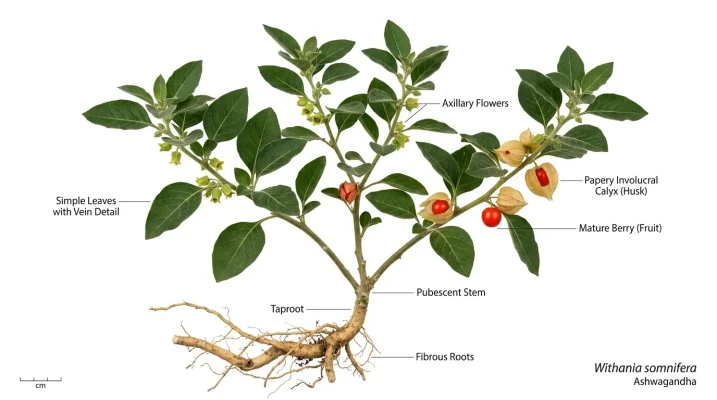
Ashwagandha (Withania somnifera): Benefits, Dosage & Safety Guide
Ashwagandha is a small woody shrub. It grows in dry regions of India, northern Africa,...
May
Substitutes for Cayenne Powder (Heat Levels, Ratios & When to Use Each)
Cayenne pepper is a staple spice in many cuisines because it adds sharp heat without...
May
Disclaimer: *These statements have not been evaluated by the Food and Drug Administration. This product is not intended to diagnose, treat, cure or prevent any disease.