


Powder
Is Apple Cider Vinegar Powder Worth It? Benefits, Dosage, and Who Should Avoid It

After a large, heavy meal, your stomach often feels weighted and uncomfortable. It is a common sensation, but one that many are looking to manage naturally. While liquid apple cider vinegar has long been used in traditional kitchens, its harsh acidity can burn the throat and erode tooth enamel over time. Therefore, we need to find a safer and more beneficial alternative like apple cider powder.
What is Apple Cider Vinegar Powder?
Apple cider vinegar powder is a dehydrated form of liquid apple cider vinegar. It retains many of the beneficial compounds found in its liquid counterpart, but in a concentrated, easy-to-use format. The process of converting liquid ACV into powder involves removing its water content, resulting in a fine, soluble powder. Apple cider vinegar powder is sometimes also referred to as apple cider liquid powder because it begins as a fermented liquid before dehydration.*
The Science: What’s Inside the “Mother”?
At first real apples fermented into cider, then fermented again into vinegar. This process creates acetic acid. Where lie the most benefits of apple cider vinegar.
What is “The Mother”? If you’ve ever seen a bottle of raw ACV, you’ll notice a cloudy, cobweb-like substance at the bottom. That’s the “Mother.” It’s a powerhouse of beneficial bacteria, proteins, and enzymes.
Apple Cider Vinegar Powder Benefits: Is Apple Cider Vinegar Good for You?
The short answer is yes, when used correctly. The primary functional component is acetic acid, often referred to in technical circles as a derivative of apple acid (malic acid).
Metabolic Support & Blood Sugar Balance*
Acetic acid in ACV helps inhibit enzymes like alpha-amylase, supporting the digestion of starches. This helps maintain healthy blood sugar levels already within the normal range and supports steady energy levels post-meal.*
Weight Management Support*
When paired with calorie restriction, ACV may help support a feeling of fullness by slowing gastric emptying. It is best used alongside a balanced diet rather than in place of one.*
Source: Beneficial effects of Apple Cider Vinegar on weight management
Skin Health Enhancement*
Internal use of ACV supports a healthy gut microbiome, which is linked to skin health via the gut-skin axis. It helps promote a clear complexion and supports the skin’s natural pH balance.*

Digestive Comfort and Bloating Relief*
ACV addresses hypochlorhydria by temporarily lowering gastric pH, optimizing protein digestion and minimizing fermentation-induced gas. Taking it before meals may help ease occasional bloating and support comfortable digestion.*
Cardiovascular Profile Improvement*
Research suggests ACV may help maintain healthy cholesterol and lipid levels already within the normal range. Its antioxidant properties help support overall heart health.*
Immune System Support*
The properties of acetic acid help support the body’s natural defenses. This bolsters immune function and helps maintain overall wellness.*
Dental Enamel Protection*
Unlike liquid ACV’s erosive pH (2.5-3.0), powder dilutes rapidly in water or tea, shortening enamel exposure and mitigating erosion risks. Rinsing post-consumption further safeguards oral health during routine use.
Unlike liquid versions that can be difficult to dose accurately on the go, apple cider packets or bulk powder provide a standardized way to ensure you are getting a consistent amount of acetic acid in every serving. A powder apple cider mix or apple cider powder mix is especially useful for travel and daily consistency.*
Who Should Avoid ACV Powder?
- Medication Interactions: If you take diuretics, insulin, or Digoxin, consult your doctor. ACV can lower potassium levels.*
- Kidney Health: If you have any ongoing kidney concerns, check with your healthcare provider first.*
Easy Ways to Use Every Day
Start small. Most people take ½ to 1 teaspoon daily.
- Morning drink: Stir ½ teaspoon into 8–10 oz water. Add lemon slices or honey if you like. This can be prepared as apple cider tea when mixed into warm herbal tea with ginger.
- Smoothie boost: Add ½ teaspoon to any fruit or green smoothie. It pairs especially well with berries or ginger.
- Salad sprinkle: Dust lightly over greens or roasted vegetables instead of liquid vinegar.
- Apple Cider Tea: Mix into warm herbal tea with ginger for a tart, soothing beverage.
Tip: Always drink extra water. Acetic acid is still acid. Rinse your mouth or use a straw to protect teeth.*
Culinary Applications

ACV powder’s versatility extends beyond simple supplementation. Apple cider uses range from beverages to cooking and seasoning.
- Drinks: Mix into water, smoothies, or juices for a tart flavor boost.
- Dressings: Use as a dry ingredient in homemade salad dressings, providing a tangy kick without the liquid volume.
- Marinades: Incorporate into dry rubs or marinades for meats and vegetables, tenderizing and adding flavor.
- Baking: A small amount can be used in baking recipes (e.g., quick breads, muffins) where a leavening agent reaction with baking soda is desired, similar to liquid ACV.
- Seasonings: Sprinkle on roasted vegetables, popcorn, or homemade chips for a distinct sour note.
Powder vs. Liquid vs. Gummies: Which ACV Form is Better?
| Feature | Liquid ACV | ACV Gummies | ACV Powder |
| Tooth Safety | Low | Medium (Sugar) | High |
| Portability | Heavy/Messy | Easy | Easy (Packets) |
| The “Mother” | Usually | Rarely | Yes (if Freeze-Dried) |
| Purity | High | Low (Fillers) | High |
Conclusion
Apple cider vinegar powder delivers the benefits of ACV in a gentler, enamel-friendly form. When used correctly, it supports digestion, blood sugar balance, and metabolic health without the harsh acidity of liquid vinegar, making it a practical option for daily use.
Sources – Reference
- The effect of apple cider vinegar on lipid profiles and glycemic parameters – PMC, PMC8243436
- Apple cider vinegar and carbohydrate metabolism (PMC8243436) – PMC NIH
- Beneficial effects of Apple Cider Vinegar on weight management – Science Direct
- Prospective randomized clinical trial evaluating the impact of vinegar on lipids
Frequently Asked Questions (FAQ)
For most people, 1 to 2 teaspoons of powder (the equivalent of 1-2 tablespoons of liquid) is considered safe and effective for daily use.
It primarily slows the rate of gastric emptying (keeping you full longer), may help support blood sugar already within a normal range by slowing starch digestion, and contributes acetic acid, the compound behind its characteristic tang. It may help support comfortable digestion and the normal breakdown of starches.*
Apple cider vinegar powder is made through a meticulous process that transforms liquid apple cider vinegar into a convenient, shelf-stable powder form. The journey begins with fermenting apple juice to create apple cider vinegar. This liquid is then carefully spray-dried or freeze-dried.
Many people take ACV powder before meals, especially those high in carbohydrates, to support the comfortable digestion of starches. Taking it with meals may reduce gastrointestinal discomfort. Avoid taking it right before bed to prevent potential heartburn.*
No. Apple cider is simply unfiltered apple juice. Apple cider vinegar is a juice fermented twice until the sugar is gone and acetic acid remains.
Yes. When used correctly, the acetic acid it contains supports insulin sensitivity, digestion, and metabolic health.*
The mother is a naturally occurring combination of proteins, enzymes, and beneficial bacteria that form during the fermentation of raw apple cider vinegar.
Most people feel good with 500-1000 mg acetic acid, roughly ½–1 teaspoon powder. Start low and listen to your body.*
Small amounts are generally considered safe, but check with your doctor first.*
The primary benefits include improved blood sugar management after meals, modest support for weight loss, potential improvement in cholesterol markers, and relief from occasional bloating.*

Columbus Day 2026: History, Plants of the Columbian Exchange
Many foods and herbs we use today including chili peppers, cacao, vanilla, tomatoes, and potatoes,...
Oct

Vitamin C Powder: Forms, Dosage, Safety, and How to Choose
Vitamin C powder is a dissolvable supplement that is usually made with ascorbic acid or...
Oct

Goldenseal Root: Uses, Dosage, Safety & How to Buy It
What Is Goldenseal Root? Goldenseal root is a bitter yellow herb with a long history...
Oct
Andrographis Paniculata: Benefits, Herb Profile, Uses, Dosage & Safety
Andrographis paniculata is a bitter medicinal herb from the Acanthaceae family, often called “King of...
Sep

Patriot Day: History, Facts, and 9/11 Remembrance
Patriot Day is a day of remembrance. It is held every year on September 11th...
Sep
Olive Leaf: Benefits, Active Compounds, and How to Use It
We all use or have heard about olive oil. But did you know that the...
Sep
Labor Day Sale: Fresh Fall Botanicals
Update: The Herb To Body Labor Day 2026 sale ended on Monday, September 7, 2026,...
Sep
Astragalus Root: Benefits, Uses, Dosage & Safety
Astragalus root, also known as huang qi, comes from a plant in the pea family...
Aug

What Is Echinacea: Benefits, Active Compounds, Types, Uses and Who Should Avoid It?
When the cold season arrives, many people add a traditional botanical such as Echinacea to...
Aug

Elderberry (Sambucus nigra): What It’s Used For, Potential Benefits & Safety
Every autumn, the same scene plays out – someone at home starts sniffling. Through the...
Aug
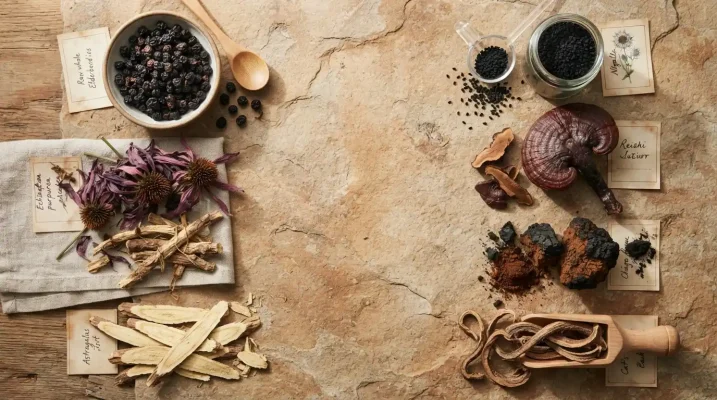
Immune Supporting Herbs: Forms, Uses & Safety Guide
What is an Immune Support Herb? An immune-support herb is a plant traditionally used for...
Aug

Back to School Wellness: A Routine for the Whole School Year
The first bell of the school year changes a household’s routine overnight. Bedtimes shift earlier,...
Aug
Herbs for Women: Traditional Uses, Research Notes and Safety
Many women wellness seekers search for simple herbs to add to a daily routine. Some...
1 Comment
Aug
Oat Straw Tea: Benefits, Uses & How to Brew and Use Perfectly?
What Is Oat Straw Tea? Oat straw tea is a mild herbal tea made from...
Jul
Shikakai Powder: Benefits, Active Compounds, Uses and Safety
Long before bottled shampoo existed, people in South Asia reached for a dried legume pod...
Jul

Mugwort Tea: Benefits, Brewing, Flavor & the Safety Concern No One’s Telling You
Mugwort tea (Artemisia vulgaris), also known as the “Mother of Herbs,” holds a storied place...
Jul

Wormwood Herb: Benefits, Side Effects, Uses, Compounds & More
Wormwood (Artemisia absinthium) is one of the most famous and intensely bitter herbs in traditional...
Jul

Wheatgrass Juice Powder: Benefits, Nutrients, Uses, Taste Comparison & Buying Guide
In a perfect world, we’d all eat fresh greens every single day. But reality hits...
Jul
Yerba Mate: What Is It, Benefits, Caffeine Amount, and How to Make It
Yerba mate is a traditional caffeinated beverage from South America made from the dried leaves...
Jul

Alligator Pepper: Flavor, Uses, Botanical Profile, Substitute and Buying Tips
If you heard the name “alligator pepper,” what comes to mind? Is it the same...
Jul

Green Black Walnut Hull & Extract (Juglans nigra): Benefits, Uses & How It Differs
When you’re looking for black walnut hull, you quickly notice two very different products. One...
Jul

Fourth of July 2026: History, Traditions, and a Safe, Fun Day
The Fourth of July is easy to picture. The grill is going. Music is playing....
Jun

When Is Juneteenth 2026? Meaning, History, Colors & Herbal Deals
Many people know Juneteenth is a holiday, but they don’t know what to do. They...
Jun
Tongkat Ali Honey: Benefits, Taste, Uses & How to Take
Tongkat ali honey is honey mixed with tongkat ali root (Eurycoma longifolia, also called longjack)....
Jun

Best Father’s Day Gifts 2026 for a Health-Minded Dad
Most dads rarely ask for anything for themselves. They say “I’m fine” while rubbing a...
Jun
Black Seed (Nigella sativa): Compounds, Uses & Safety
Black seed is a versatile herb available year-round. It can be used in cooking, added...
Jun

Shilajit: What It Is, How It Works, and How to Choose the Right Form?
Shilajit is a natural mineral resin. It forms in high-altitude mountain ranges, mainly the Himalayas,...
Jun

Prekese (Aidan Fruit): Benefits, Active Compounds, Uses & Safety Guide
Prekese (Tetrapleura tetraptera) is a flowering tree in the Fabaceae (legume) family. It grows in...
May
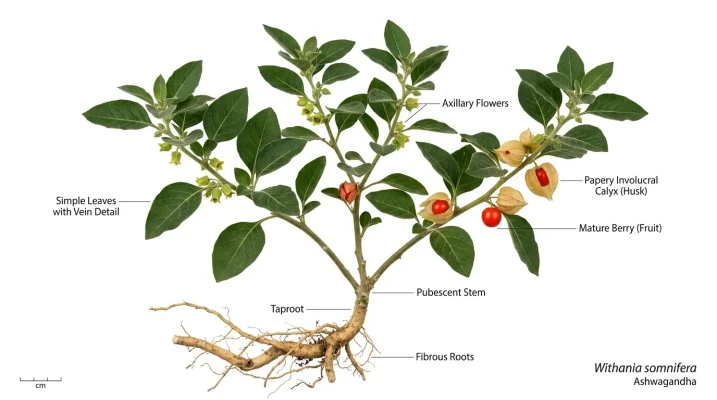
Ashwagandha (Withania somnifera): Benefits, Dosage & Safety Guide
Ashwagandha is a small woody shrub. It grows in dry regions of India, northern Africa,...
May

Substitutes for Cayenne Powder (Heat Levels, Ratios & When to Use Each)
Cayenne pepper is a staple spice in many cuisines because it adds sharp heat without...
May
Calendula Flower: What It Is, How to Use It & What Science Says
While many recognize the bright orange petals of Calendula officinalis (Pot Marigold), its role in...
May
Disclaimer: *These statements have not been evaluated by the Food and Drug Administration. This product is not intended to diagnose, treat, cure or prevent any disease.