


Substitute
10 Best Ginger Substitutes: Expert Ratios, Health Swaps, & Allergy Safety

Sometimes we need to try different herb or spice combinations than we usually use. It doesn’t mean you don’t like the spice; it could be your taste buds need something different, or you have a sudden shortage. In that case, finding the right substitute spice for ginger can save your meal.
Ginger is one of the world’s most traditional and commonly used spices. It brings that unique spicy-citrus kick to stir-fries, soothes with its warmth in teas, and adds a cozy depth to baked goods. Whether you’re baking gingerbread or whipping up a Thai curry, a good substitute can save a dish.
Here are the 10 best, with exact ratios and, most importantly, the flavor trade-off – what you gain, and what you lose, with each swap. Each option works as a smart fresh ginger substitution, depending on the recipe.
Quick Ratio Cheat Sheet
| Substitute | Replaces 1 Tbsp Fresh Ginger | Best For |
| Ground Ginger | ¼–½ tsp | General cooking, baking |
| Galangal | 1 Tbsp, sliced | Asian stir-fries, soups |
| Horseradish | ½ tsp, prepared | Dressings, raw heat |
| Turmeric + Pepper | ½ tsp + pinch | Curries, health drinks |
| Allspice | ¼ tsp, ground | Sweet baking, stews |
| Lemongrass | 1 stalk, minced | Soups, teas |
| Cardamom | ¼ tsp, ground | Sweets, curries |
The Top 10 Ginger Substitutes in Detail
All ratios below are based on replacing 1 tablespoon of fresh, grated ginger. Here are the replacement spice for ginger –
1. Ground Ginger
- Best For: Baking, soups, marinades, and rubs.
- Ratio: Use ¼ to ½ teaspoon of ground ginger.
- The Flavor Trade-Off: This is your most convenient swap. You’ll get the deep, earthy warmth of ginger, but you will lose all of the bright, sharp, citrusy top notes that fresh ginger provides.
- Cooking Note: Because it’s a powder, it blends in smoothly but adds zero texture. It’s much more concentrated, so always start with a low amount, ¼ teaspoon. You can always add more. You can also substitute real ginger for ground if you want a fresher, citrusy kick.
If you’re looking for a substitute for ginger powder or a substitute for ground ginger, allspice or cinnamon can deliver a similar warmth. You can also substitute dried ginger for fresh if texture isn’t critical.
2. Galangal (The Closest Relative)
- Best For: Thai, Vietnamese, and Indonesian dishes (curries, soups like Tom Kha).
- Ratio: Use 1 tablespoon of sliced or grated galangal. (A 1:1 swap).
The Flavor Trade-Off: Excellent culinary swap. Similar texture, but more piney and citrusy, and less spicy-hot. - Cooking Note: Galangal is tougher and more fibrous than ginger. Add it in large chunks for soups and remove before serving.
If you’re out of fresh ginger, galangal is the closest substitute for fresh ginger root.
3. Ginger Paste (The Convenient Fix)
- Best For: Any recipe that calls for fresh, grated ginger.
- Ratio: Use 1 tablespoon of ginger paste. (A 1:1 swap).
- The Flavor Trade-Off: Almost none! It retains the sharp, pungent, and citrusy flavor of fresh ginger.
- Cooking Note: Check the label – some contain salt, oil, or vinegar. You may need to slightly reduce salt in your recipe. If you ever need a ginger paste substitute, simply blend fresh ginger with a little oil and salt.
4. Turmeric + Black Pepper (The Health Swap)
- Best For: Curries, health drinks (like golden milk), smoothies, and rice.
- Ratio: Use ½ teaspoon of turmeric + 1 pinch of black pepper.
- The Flavor Trade-Off: You lose all of ginger’s citrusy heat. Instead, you get deep, earthy warmth and color.
- Cooking Note: This will stain everything.
5. Lemongrass (The Aromatic Swap)
- Best For: Soups, teas, and light marinades.
- Ratio: Use 1 stalk of lemongrass, minced.
- The Flavor Trade-Off: Beautiful, lemony aroma but no spice. Great for brightness in Asian dishes.
- Cooking Note: Trim ends, peel outer layer, and smash the stalk before mincing.
6. Allspice (The Sweet Heat)
- Best For: Baking, stews, and spice rubs.
- Ratio: Use ¼ teaspoon of ground allspice.
- The Flavor Trade-Off: Tastes like a mix of cinnamon, cloves, and nutmeg. Mimics ginger’s warmth but not its sharpness.
- Cooking Note: Strong spice – use lightly. Allspice is an excellent substitute for ginger spice in desserts or a substitute for ginger powder in spice blends.
7. Cardamom (The Floral Aroma)
- Best For: Sweet baked goods, chai, and Indian curries.
- Ratio: Use ¼ teaspoon of ground cardamom.
- The Flavor Trade-Off: You lose heat but gain floral depth. Works beautifully in curries and rice.
8. Cinnamon + Nutmeg (The Baking Combo)
- Best For: Cookies, pies, and sweet breads.
- Ratio: Use ¼ teaspoon of cinnamon + a pinch of nutmeg.
- The Flavor Trade-Off: Replaces ginger’s cozy warmth but not its spice.
- Cooking Note: Only for sweet dishes.
9. Horseradish (The Pure Heat)
- Best For: Raw sauces, dressings, and savory marinades.
- Ratio: Start with ½ teaspoon of prepared horseradish.
- The Flavor Trade-Off: Only heat, no aroma. Sharp and sinus-clearing.
- Cooking Note: Use sparingly and uncooked. Perfect for those substituting powdered ginger for fresh ginger in cold recipes where heat matters more than aroma.
10. Crystallized (Candied) Ginger
- Best For: Baking (scones, cookies), trail mixes, and glazes.
- Ratio: Use ⅓ cup of chopped crystallized ginger.
- The Flavor Trade-Off: Sweet and mild, adds chewiness.
- Cooking Note: Reduce sugar in your recipe by 1–2 tablespoons.
Alternative of Ginger: Allergy, Diet
For Low-FODMAP: Ginger is already low-FODMAP, but lemongrass or scallion tops work for aroma.
For “No Heat” at All: Use Mace for mild warmth.
If You Dislike Ginger’s Flavor:
- If it’s the heat: Use lemongrass or allspice.
- If it’s the aroma: Use horseradish or chili flakes.
When to Omit Ginger Entirely
For recipes using under 1 teaspoon fresh or ¼ teaspoon ground, ginger’s effect is minor. Skip it or add a pinch of cinnamon/allspice for depth.
A Quick Guide by Recipe Type – What Are You Making?
In a hurry? Here’s your cheat sheet based on your dish.
- For Stir-Fries, Curries & Asian Soups (Needing Heat & Aroma): Galangal, Ginger Paste, or Lemongrass + Chili Flakes.
- For Baking Cookies or Cakes (Needing Sweet Warmth): Ground Ginger, Allspice, Cinnamon + Nutmeg, or Cardamom.
- For Raw Dressings & Drinks (Needing a Sharp Bite): Horseradish or Ginger Juice.
- For Health Benefits: Turmeric + Black Pepper.
The right substitute ginger depends on your dish, sweet, savory, or raw.
Summary
The best ginger substitute depends on your recipe. Use galangal or lemongrass for savory dishes, ground ginger or allspice for baking, and turmeric with black pepper for health drinks. No single spice replaces ginger fully, but the right substitute for fresh ginger root or substitute for ground ginger will keep your dishes flavorful and balanced.
Frequently Asked Questions (FAQ)
For authenticity in Asian cooking, galangal is best. For baking, try cinnamon and nutmeg.
When you substitute ground ginger for fresh, use ¼ teaspoon and taste-test.
Yes. You can substitute dried ginger for fresh, though the result will be less vibrant.
You can start with ¼ teaspoon. Ground ginger is 4–6 times stronger. When you substitute ground ginger for fresh ginger or substitute powdered ginger for fresh, start small and adjust.
Yes, it’s a perfect 1:1 swap. 1 tablespoon paste = 1 tablespoon grated fresh ginger. If you need a ginger paste substitute, mix grated ginger with oil and salt.
Yes. You can substitute real ginger for ground for more brightness.

Columbus Day 2026: History, Plants of the Columbian Exchange
Many foods and herbs we use today including chili peppers, cacao, vanilla, tomatoes, and potatoes,...
Oct

Vitamin C Powder: Forms, Dosage, Safety, and How to Choose
Vitamin C powder is a dissolvable supplement that is usually made with ascorbic acid or...
Oct

Goldenseal Root: Uses, Dosage, Safety & How to Buy It
What Is Goldenseal Root? Goldenseal root is a bitter yellow herb with a long history...
Oct
Andrographis Paniculata: Benefits, Herb Profile, Uses, Dosage & Safety
Andrographis paniculata is a bitter medicinal herb from the Acanthaceae family, often called “King of...
Sep

Patriot Day: History, Facts, and 9/11 Remembrance
Patriot Day is a day of remembrance. It is held every year on September 11th...
Sep

Olive Leaf: Benefits, Active Compounds, and How to Use It
We all use or have heard about olive oil. But did you know that the...
Sep
Labor Day Sale: Fresh Fall Botanicals
Update: The Herb To Body Labor Day 2026 sale ended on Monday, September 7, 2026,...
Sep
Astragalus Root: Benefits, Uses, Dosage & Safety
Astragalus root, also known as huang qi, comes from a plant in the pea family...
Aug
What Is Echinacea: Benefits, Active Compounds, Types, Uses and Who Should Avoid It?
When the cold season arrives, many people add a traditional botanical such as Echinacea to...
Aug
Elderberry (Sambucus nigra): What It’s Used For, Potential Benefits & Safety
Every autumn, the same scene plays out – someone at home starts sniffling. Through the...
Aug
Immune Supporting Herbs: Forms, Uses & Safety Guide
What is an Immune Support Herb? An immune-support herb is a plant traditionally used for...
Aug

Back to School Wellness: A Routine for the Whole School Year
The first bell of the school year changes a household’s routine overnight. Bedtimes shift earlier,...
Aug
Herbs for Women: Traditional Uses, Research Notes and Safety
Many women wellness seekers search for simple herbs to add to a daily routine. Some...
1 Comment
Aug

Oat Straw Tea: Benefits, Uses & How to Brew and Use Perfectly?
What Is Oat Straw Tea? Oat straw tea is a mild herbal tea made from...
Jul
Shikakai Powder: Benefits, Active Compounds, Uses and Safety
Long before bottled shampoo existed, people in South Asia reached for a dried legume pod...
Jul

Mugwort Tea: Benefits, Brewing, Flavor & the Safety Concern No One’s Telling You
Mugwort tea (Artemisia vulgaris), also known as the “Mother of Herbs,” holds a storied place...
Jul

Wormwood Herb: Benefits, Side Effects, Uses, Compounds & More
Wormwood (Artemisia absinthium) is one of the most famous and intensely bitter herbs in traditional...
Jul

Wheatgrass Juice Powder: Benefits, Nutrients, Uses, Taste Comparison & Buying Guide
In a perfect world, we’d all eat fresh greens every single day. But reality hits...
Jul
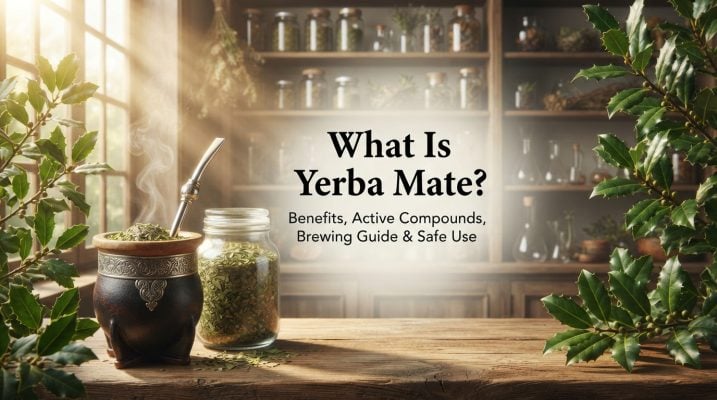
Yerba Mate: What Is It, Benefits, Caffeine Amount, and How to Make It
Yerba mate is a traditional caffeinated beverage from South America made from the dried leaves...
Jul

Alligator Pepper: Flavor, Uses, Botanical Profile, Substitute and Buying Tips
If you heard the name “alligator pepper,” what comes to mind? Is it the same...
Jul
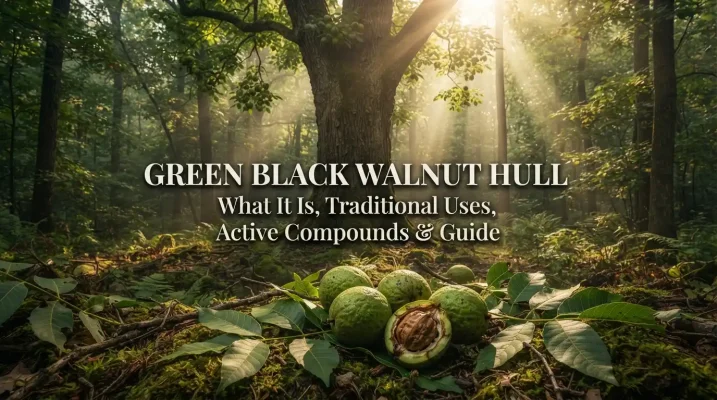
Green Black Walnut Hull & Extract (Juglans nigra): Benefits, Uses & How It Differs
When you’re looking for black walnut hull, you quickly notice two very different products. One...
Jul

Fourth of July 2026: History, Traditions, and a Safe, Fun Day
The Fourth of July is easy to picture. The grill is going. Music is playing....
Jun

When Is Juneteenth 2026? Meaning, History, Colors & Herbal Deals
Many people know Juneteenth is a holiday, but they don’t know what to do. They...
Jun
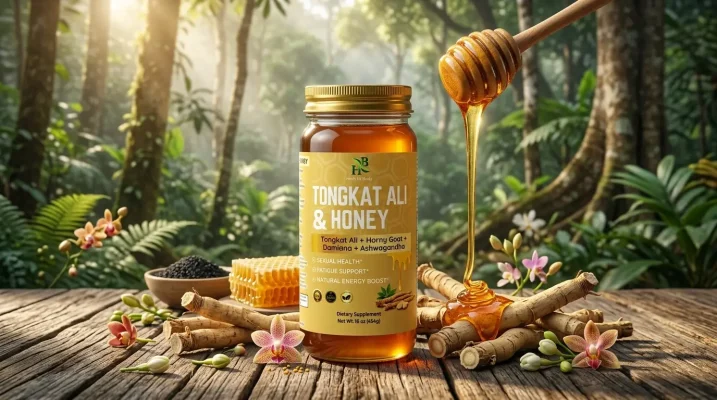
Tongkat Ali Honey: Benefits, Taste, Uses & How to Take
Tongkat ali honey is honey mixed with tongkat ali root (Eurycoma longifolia, also called longjack)....
Jun

Best Father’s Day Gifts 2026 for a Health-Minded Dad
Most dads rarely ask for anything for themselves. They say “I’m fine” while rubbing a...
Jun
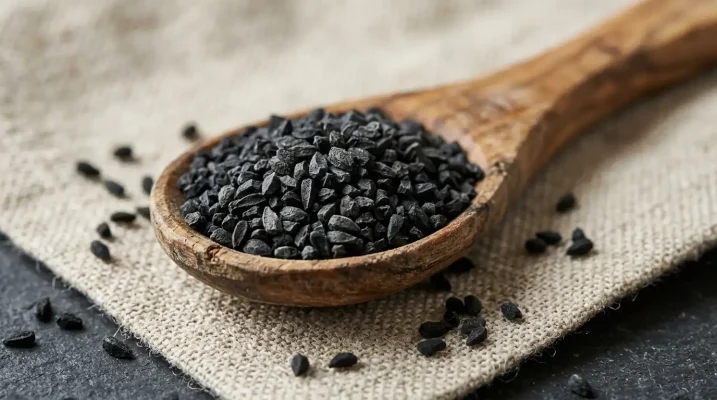
Black Seed (Nigella sativa): Compounds, Uses & Safety
Black seed is a versatile herb available year-round. It can be used in cooking, added...
Jun

Shilajit: What It Is, How It Works, and How to Choose the Right Form?
Shilajit is a natural mineral resin. It forms in high-altitude mountain ranges, mainly the Himalayas,...
Jun

Prekese (Aidan Fruit): Benefits, Active Compounds, Uses & Safety Guide
Prekese (Tetrapleura tetraptera) is a flowering tree in the Fabaceae (legume) family. It grows in...
May