


Herbs, Substitute
Sage Substitute Guide: 10 Best Herbs & Exact Ratios (Fresh vs. Dried)

Sage offers a distinctive, earthy flavor. Its aromatic notes are slightly peppery, with hints of pine and citrus. This herb enhances many dishes, from roasted meats to rich stuffings. However, you might sometimes find yourself without fresh or dried sage.
Perhaps your pantry is empty, or a guest has a dietary preference. Knowing dependable alternatives can save your meal. This guide explores the best culinary sage substitutes. You can maintain the delicious essence of your recipes.
Why You Might Need a Sage Substitute?
Finding a suitable substitute for sage is a common kitchen challenge. Several reasons might lead you to seek an alternative:
- Availability: Fresh sage might not always be in season or stocked in your local store. Dried sage can also run out unexpectedly.
- Taste Preference: Some people find sage’s flavor too strong, as it contains potent compounds like Thujone. Others might prefer a milder or different aromatic profile, making a substitute essential.
- Allergies or Safety: For those with allergies, substituting is another crucial option. Additionally, high doses of Salvia officinalis (botanical name for common sage) can be a concern for some individuals necessitating a swap. Understanding these reasons helps you choose the best replacement herb.

Fresh Sage vs. Dried Sage: What are the Differences?
Sage comes in three common forms, and each varies in strength. Measuring it correctly helps prevent over-seasoning your dish.
| Sage Type | Equivalent Amount | Notes |
| Fresh Sage | 1 Tablespoon (chopped) | The standard starting measure; least concentrated. |
| Dried Sage (Rubbed/Leaf) | 1 Teaspoon | Use 1:3 the amount of fresh sage. |
| Ground Sage (Powdered) | 1 to 3 Teaspoon | Highly concentrated; use 1:3 the amount of rubbed sage. |
| Fresh to Ground Rule | 1 Tbsp Fresh = 1 – 4 tsp Ground | This 1:2 to 1:4 ratio is critical for high potency. |
Best 10 Sage Substitutes
1. Marjoram
2. Rosemary
3. Thyme
4. Poultry Seasoning
5. Oregano
6. Savory
7. Tarragon
8. Bay Leaf
9. Basil
10. Mint
Best Culinary Sage Substitutes & Usage Ratios
For sage substitute, aim for herbs with similar characteristics. Some herbs offer a strong, savory base. Others might provide a lighter, more aromatic touch.
Each herb offers a distinct character. We will explore the best options. These herbs provide similar aromatic qualities. They can enhance your recipes effectively.
1. Marjoram
The overall closest match of sage powder or fresh one. It is milder than sage’s full-bodied herbaceousness, making it an excellent sage substitute for stuffing. Offer a milder, pine-citrus profile with minty undertones. Mimics sage’s woodsy essence without overpowering.
Usage: Marjoram is milder than sage; use a 1:1 ratio (tsp dried for tsp dried, Tbsp fresh for Tbsp fresh). Increase slightly for a stronger presence.
2. Rosemary
Rosemary provides a piney, lemony depth similar to sage, making it a strong sage alternative for roasted meats or potatoes. It is especially suited for lamb, beef, and roasted potatoes. Rosemary also complements poultry, bread, and strong cheeses. Due to its intensity, use it with caution.
Usage: Use a 1:2 ratio (half the amount of sage). Finely chop fresh rosemary and taste frequently to avoid an overwhelming piney flavor.
3. Thyme
Thyme is a popular herb in many cuisines. It shares some aromatic qualities with sage. This makes it a great alternative. It offers a slightly less intense flavor. Thyme is available in most grocery stores.
It complements roasted chicken, and lamb. Thyme also shines in soups, stews, vegetable dishes and Mediterranean recipes. Its mild nature ensures it enhances flavors without overpowering them.
Usage: Start with a 1:1 ratio (e.g., 1 tsp dried thyme for 1 tsp dried sage; 1 Tbsp fresh for 1 Tbsp fresh).
4. Poultry Seasoning
Poultry seasoning is not only dried sage substitute it also offers a multi-herb sage replacement. Typically including sage alongside thyme and marjoram. You can use it substitute for sage in cooking.
Usage: It’s perfect for turkey or dressings. Use at about the same amount as dried sage, or slightly less for fresh sage.
5. Oregano
Oregano is a popular Mediterranean herb. It has a strong, pungent flavor. While different from sage, its earthiness can work as a substitute. It adds a bold, savory note to dishes.
Usage: Use oregano at a 1:2 ratio (half the amount of sage). Start with 1/2 tsp dried for 1 tsp dried sage, or 1/2 Tbsp fresh for 1 Tbsp fresh sage.
6. Savory
Savory, particularly summer savory, offers a distinct peppery flavor. It is a lesser-known but powerful herb. This makes it a strong contender for sage substitution. It provides a unique aromatic quality. Ideal for beans or stews.It’s underused but effective in European cuisines
Usage: Similar to thyme; use in equal measure to replace dried sage. 1:1 (Use Equal parts) for Summer Savory (1:1) and winter Savory (1:2).
7. Tarragon
Another best alternative of substitute for sage leaves. Tarragon has a unique licorice-like, slightly sweet, and peppery flavor. Its distinct profile could complement some dishes. It works well with chicken, fish, and creamy sauces. Use it in smaller quantities due to its strong character.
Usage: Use fresh tarragon in smaller amounts than fresh sage; dried tarragon is even more potent, so use sparingly. As the anise flavor of tarragon can dominate dishes where sage is typically used (like stuffing or poultry).
8. Bay Leaf
Bay leaves offer a mild, herbal depth for long-simmered stocks or braises – use one leaf per teaspoon of sage, removed before serving. They provide background flavor without direct intensity
Usage: Use 1 whole dried bay leaf for every 1 teaspoon of dried sage called for in a recipe, or 1 to 2 bay leaves per tablespoon of fresh sage.

9. Basil
Basil offers a sweet, peppery, and slightly anise-like flavor. While distinctly different from sage, its aromatic quality can sometimes fill a gap. It works best in dishes where a lighter, sweeter herb note.
Usage: Use a 1:1 ratio, tasting as you go. Basil might not provide the same earthy depth as sage. However, it adds a fresh, appealing aroma.
10. Mint
A member of the Lamiaceae family, like sage. Use fresh mint for fresh sage in savory lamb dishes or teas where the refreshing quality is desired.
Usage: Use 1:1 fresh for the fresh sage alternative, and 1tbs for dried.
Sage’s Health Benefits
- Brain Health: Sage is excellent for cognitive function, with studies suggesting support for memory, focus, and recall in healthy adults.*
- Antioxidant Support: Contains rosmarinic acid and over 160 compounds that act as potent antioxidants, helping to neutralize free radicals and support cellular health.*
- Metabolic Support: Research suggests sage may help maintain healthy blood sugar and cholesterol levels already within the normal range.*
Side Effects
Common sage (Salvia officinalis) contains a chemical compound called Thujone, which can be toxic if consumed in very large amounts or over a long period.
- Sage is safe in the amounts typically used for cooking.
- Consult with healthcare experts before taking sage supplements or extracts, especially if pregnant or dealing with chronic conditions.
Do not consume sage essential oil internally. These oils contain dangerously high, concentrated levels of Thujone.*
Tips and How to Prepare Sage Leaves
Here are some tips for how to use sage for cooking, prepare and storage
Quick Preparation Tips
For cooking, fry fresh sage leaves in butter or oil until crispy for an intensely flavored garnish on pasta or meat.
Storage for Longevity
- Fresh Sage: Store leaves wrapped in a damp paper towel inside a sealed bag in the refrigerator for 4–5 days.
- Dried Sage: Store in a cool, dark place in an airtight container for up to six months for optimal potency.
Conclusion
Sage is a wonderful herb. However, a lack of it does not mean your culinary plans are ruined. Many excellent substitutes can help. Thyme, rosemary, marjoram, and poultry seasoning are all viable substitutes, each offering unique characteristics.
Understanding their flavor profiles helps you choose wisely. Remember to consider fresh versus dried forms. Always start with a small amount, then taste and adjust as you cook. This adaptable approach empowers you to confidently create delicious and satisfying meals.
Frequently Asked Questions (FAQ)
Sage (Salvia officinalis) is a perennial herb native to the Mediterranean, known for its soft, gray-green leaves and earthy, slightly peppery flavor. It is widely used as a seasoning in savory dishes like poultry, sausages, and stuffing, prized for its strong and aromatic taste.
People have used it as a traditional herb for thousands of years, and modern research has examined its antioxidant compounds.*
You have come to the right place. You can buy dried sage leaf c/s or sage leaf powder from Herb to Body, our Amazon, Walmart store and our website.
People who never used sage before often ask what sage is used for in cooking – it’s perfect for rich meats, creamy pasta, and crispy butter sauces.
Sage is full of over 160 healthy compounds. A key ingredient, rosmarinic acid, works as a strong antioxidant that protects your body’s cells from damage.*
Thyme brings a warm, earthy flavor with subtle minty and floral notes, plus a gentle peppery, floral flavor.

Columbus Day 2026: History, Plants of the Columbian Exchange
Many foods and herbs we use today including chili peppers, cacao, vanilla, tomatoes, and potatoes,...
Oct

Vitamin C Powder: Forms, Dosage, Safety, and How to Choose
Vitamin C powder is a dissolvable supplement that is usually made with ascorbic acid or...
Oct

Goldenseal Root: Uses, Dosage, Safety & How to Buy It
What Is Goldenseal Root? Goldenseal root is a bitter yellow herb with a long history...
Oct
Andrographis Paniculata: Benefits, Herb Profile, Uses, Dosage & Safety
Andrographis paniculata is a bitter medicinal herb from the Acanthaceae family, often called “King of...
Sep

Patriot Day: History, Facts, and 9/11 Remembrance
Patriot Day is a day of remembrance. It is held every year on September 11th...
Sep

Olive Leaf: Benefits, Active Compounds, and How to Use It
We all use or have heard about olive oil. But did you know that the...
Sep
Labor Day Sale: Fresh Fall Botanicals
Update: The Herb To Body Labor Day 2026 sale ended on Monday, September 7, 2026,...
Sep
Astragalus Root: Benefits, Uses, Dosage & Safety
Astragalus root, also known as huang qi, comes from a plant in the pea family...
Aug
What Is Echinacea: Benefits, Active Compounds, Types, Uses and Who Should Avoid It?
When the cold season arrives, many people add a traditional botanical such as Echinacea to...
Aug

Elderberry (Sambucus nigra): What It’s Used For, Potential Benefits & Safety
Every autumn, the same scene plays out – someone at home starts sniffling. Through the...
Aug
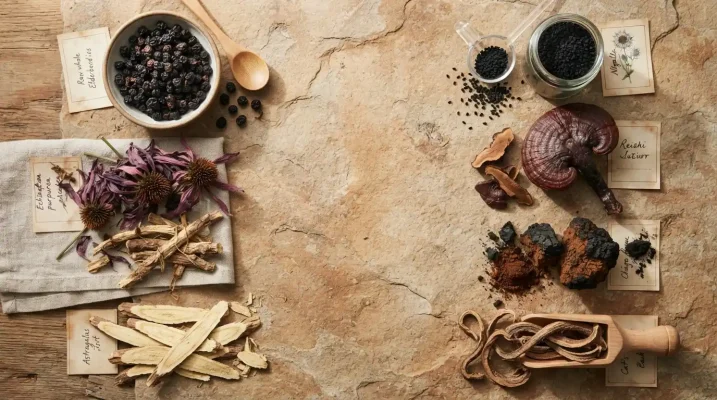
Immune Supporting Herbs: Forms, Uses & Safety Guide
What is an Immune Support Herb? An immune-support herb is a plant traditionally used for...
Aug

Back to School Wellness: A Routine for the Whole School Year
The first bell of the school year changes a household’s routine overnight. Bedtimes shift earlier,...
Aug
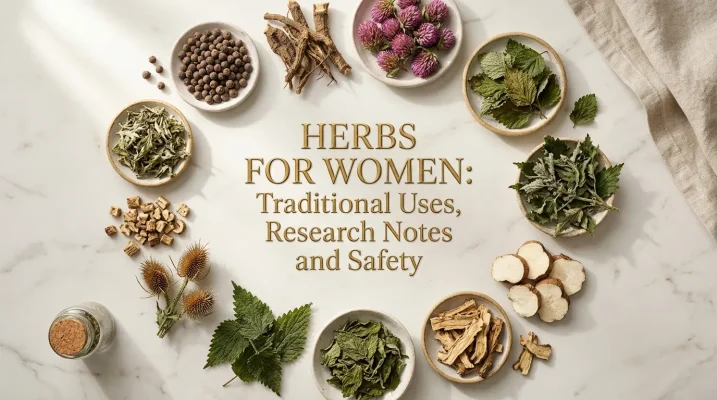
Herbs for Women: Traditional Uses, Research Notes and Safety
Many women wellness seekers search for simple herbs to add to a daily routine. Some...
1 Comment
Aug

Oat Straw Tea: Benefits, Uses & How to Brew and Use Perfectly?
What Is Oat Straw Tea? Oat straw tea is a mild herbal tea made from...
Jul

Shikakai Powder: Benefits, Active Compounds, Uses and Safety
Long before bottled shampoo existed, people in South Asia reached for a dried legume pod...
Jul

Mugwort Tea: Benefits, Brewing, Flavor & the Safety Concern No One’s Telling You
Mugwort tea (Artemisia vulgaris), also known as the “Mother of Herbs,” holds a storied place...
Jul

Wormwood Herb: Benefits, Side Effects, Uses, Compounds & More
Wormwood (Artemisia absinthium) is one of the most famous and intensely bitter herbs in traditional...
Jul

Wheatgrass Juice Powder: Benefits, Nutrients, Uses, Taste Comparison & Buying Guide
In a perfect world, we’d all eat fresh greens every single day. But reality hits...
Jul

Yerba Mate: What Is It, Benefits, Caffeine Amount, and How to Make It
Yerba mate is a traditional caffeinated beverage from South America made from the dried leaves...
Jul

Alligator Pepper: Flavor, Uses, Botanical Profile, Substitute and Buying Tips
If you heard the name “alligator pepper,” what comes to mind? Is it the same...
Jul

Green Black Walnut Hull & Extract (Juglans nigra): Benefits, Uses & How It Differs
When you’re looking for black walnut hull, you quickly notice two very different products. One...
Jul

Fourth of July 2026: History, Traditions, and a Safe, Fun Day
The Fourth of July is easy to picture. The grill is going. Music is playing....
Jun

When Is Juneteenth 2026? Meaning, History, Colors & Herbal Deals
Many people know Juneteenth is a holiday, but they don’t know what to do. They...
Jun
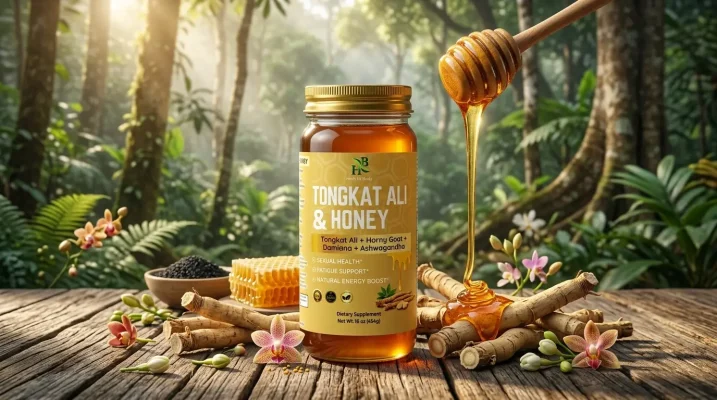
Tongkat Ali Honey: Benefits, Taste, Uses & How to Take
Tongkat ali honey is honey mixed with tongkat ali root (Eurycoma longifolia, also called longjack)....
Jun

Best Father’s Day Gifts 2026 for a Health-Minded Dad
Most dads rarely ask for anything for themselves. They say “I’m fine” while rubbing a...
Jun
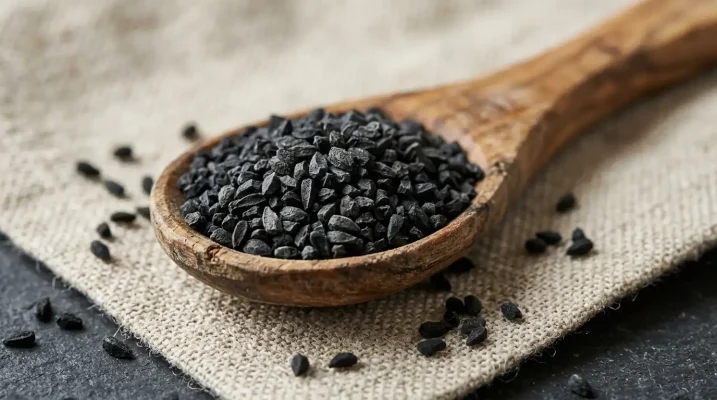
Black Seed (Nigella sativa): Compounds, Uses & Safety
Black seed is a versatile herb available year-round. It can be used in cooking, added...
Jun

Shilajit: What It Is, How It Works, and How to Choose the Right Form?
Shilajit is a natural mineral resin. It forms in high-altitude mountain ranges, mainly the Himalayas,...
Jun

Prekese (Aidan Fruit): Benefits, Active Compounds, Uses & Safety Guide
Prekese (Tetrapleura tetraptera) is a flowering tree in the Fabaceae (legume) family. It grows in...
May
Disclaimer: *These statements have not been evaluated by the Food and Drug Administration. This product is not intended to diagnose, treat, cure or prevent any disease.