


Dried hibiscus flowers make a beautiful ruby-red tea with a tart, refreshing taste. This naturally caffeine-free beverage takes just minutes to brew using simple methods. Whether you’re in the mood for a quick hot cup, a smooth overnight cold brew, or a traditional spiced iced tea, this complete guide has the perfect method for you.
What Are Dried Hibiscus Flowers?
Before we brew, let’s understand a few facts. The dry hibiscus flower used for tea is not the ornamental variety from a garden, but a specific species: Scientific name is Hibiscus sabdariffa, also known as Roselle. It’s a common misconception that we’re buying the “flower petals.” In reality, you’re primarily buying the dried calyces.
These are the deep red, fleshy, cup-like structures that remain after the actual flower (which is typically a yellow or pink hibiscus flower) has bloomed and fallen off. They are harvested and dried, concentrating their intense color and tangy flavor.
How to Make Hibiscus Tea: 3 Easy Methods
This is the most popular use for dried hibiscus. Its flavor is naturally tart and cranberry-like, making it a perfect base for a refreshing drink. Here is a few best hibiscus tea methods
Method 1: The Quick Hot Brew (Classic Hibiscus Tea)
The fastest method, ready in 10 minutes. It’s bright, potent, and delightfully tart.
- Boil Water: Bring 4 cups of filtered water to a boil.
- Steep: Place 1/4 cup of dried hibiscus calyces in a teapot or heat-proof pitcher. Pour the hot water over them.
- Infuse: Steep for 5-10 minutes. Longer steeping intensifies tartness, but avoid over 10 minutes to avoid/minimize bitterness.
- Strain & Serve: Strain the liquid. Sweeten to taste while it’s still warm (honey, sugar, and agave nectar are all great) and serve immediately.
Read More: Ultimate Guide of Dried Hibiscus Flower

Method 2: The Smooth Cold Brew (Overnight Method)
The easiest method. It steeps overnight in the fridge for a smoother, less acidic, and more mellow-flavored tea.
- Combine: In a large jar or pitcher, add ½ cup dried hibiscus flowers for tea and 8 cups of cold, filtered water.
- Steep: Stir, cover, and place in the refrigerator for at least 8 hours, or overnight. The tea will turn a deep ruby red without any heat.
- Strain & Serve: Strain out the flowers, stir in your preferred sweetener until dissolved, and serve over ice. It will keep in the fridge for up to 5 days.
Method 3: Hibiscus Jamaica Tea (Spiced Hibiscus Iced Tea)
This is a concentrate made by simmering the flowers with spices like cinnamon, which is then sweetened and diluted. Agua de Jamaica (“Hibiscus Water”) is a beloved, refreshing drink in Mexico and Central America.
Ingredients:
- 1 cup (about 1 oz) dried hibiscus calyces
- 8 cups filtered water, divided
- 1/2 cup granulated sugar (or to taste)
- Optional: 1 cinnamon stick, 1-inch piece of fresh ginger, or a few allspice berries
- Garnish: Lime slices and fresh mint
Instructions:
- Rinse: Rinse calyces under cool water to remove dust.
- Simmer: In a saucepan, combine calyces, 4 cups water, and optional spices. Bring to a boil, then reduce the heat and simmer for 5-10 minutes.
- Steep: Remove from heat, cover, and steep for 30 minutes.
- Strain: Strain into a pitcher, pressing solids to extract liquid. Discard solids.
- Sweeten & Dilute: Stir in sugar until dissolved, then add the remaining 4 cups of cold water.
- Chill & Serve: Refrigerate until cold. Serve over ice with lime slices and mint.

Tips for the Perfect Brew
Here are few tips for how to brew dried hibiscus tea
- Choose Quality Calyces: Opt for organic, food-grade Hibiscus sabdariffa calyces. Look for whole, deep ruby-red calyces with a tart, fruity aroma, not dusty or brownish pieces.
- Rinse First: Quickly rinse calyces under cold water to remove dust or debris.
- Don’t Oversteep: For hot brews, 5-10 minutes is ideal to avoid bitterness.
- Sweeten Smartly: Hibiscus is naturally tart. Use honey, agave, or piloncillo for authentic flavor. Sweeten while warm for better dissolution.
Benefits Of Hibiscus Tea and Side Effects
While this is a delicious herbal tea, it’s also studied for its health properties. It is an herbal infusion, not a medicine. Let’s see what is hibiscus tea good for
- Rich in Antioxidants: Hibiscus is loaded with antioxidants, particularly anthocyanins (which give it its red color) and Vitamin C, which help neutralize free radicals and support cellular health.*
- May Support Cardiovascular Health (Blood Pressure): Some studies suggest that drinking hibiscus tea may help maintain healthy blood pressure levels already within the normal range. It is traditionally used to support healthy circulation.*
Source: Hibiscus Sabdariffa Tea for Lowers Blood Pressure in Prehypertensive) - May Support Cholesterol Levels: Research indicates that hibiscus may help maintain healthy cholesterol and triglyceride levels already within the normal range, supporting overall heart health.*
(Source: Hibiscus sabdariffa and lipid profile measures)
Hibiscus Tea Side Effects
Because of its effect on blood pressure, you should speak with your doctor before consuming hibiscus tea if you are on blood pressure medication. It is generally not recommended for pregnant or breastfeeding women as it may affect hormone levels.*
How to Buy & Store Hibiscus Dried Flower
What to Look For: Organic vs. Conventional
- Organic: Grown without synthetic pesticides, ideal for steeping. Slightly pricier but safer.
- Conventional: Budget-friendly; rinse thoroughly before use.

Product Variants
- Whole Dried Calyces: These are the intact, dried sepals. They offer the most intense flavor and are ideal for brewing.
- Cut & Sifted: The calyces are broken into smaller pieces. This form is great for tea bags or quicker infusions.
- Powdered: Hibiscus Flower Powder is ideal for baking or smoothies (though this post is focused on whole flowers for tea).
How to Store Dried Hibiscus?
Proper storage is key to making your dried hibiscus flowers last. To maintain flower hibiscus vibrant color and flavor for up to a year:
- Use an Airtight Container: Glass jars with tight-fitting lids are perfect.
- Cool, Dark Place: Store in a pantry away from sunlight and heat.
- Keep it Dry: Moisture is the enemy and can cause mold.
When stored correctly, dried hibiscus can last for 1 to 2 years. If it looks dull, brownish, or has lost its tart aroma, it’s time for a fresh batch.
Conclusion
Hibiscus tea is far more than just a pretty, crimson-colored drink. It’s a versatile and flavorful beverage known for its refreshing taste. Whether you enjoy it as a hot, soothing cup or as a cooling Agua de Jamaica, this infusion is packed with antioxidants and studied for its potential to support healthy blood pressure levels already within the normal range. It’s a great pantry staple, but be aware of its potential interactions, especially during pregnancy or with certain medications.
Sources – Reference
- Effects of sour tea (Hibiscus sabdariffa) on lipid profile and lipoproteins in patients with type II diabetes – PubMed.
- Hibiscus Sabdariffa L. Hibiscus tea (tisane) and blood pressure measures – Science Direct.
- A systematic review and meta-analysis of the effects of Hibiscus sabdariffa on blood pressure and cardiometabolic markers – National Library for Medicine
- Hibiscus Tea and Health: A Scoping Review of Scientific Evidence – Research Gate.
Frequently Asked Questions (FAQ)
The best is subjective, but for quality, look for organic, whole Hibiscus sabdariffa calyces. They should have a deep ruby-red color and a tart, fruity aroma, not a dusty or brownish appearance.
No, hibiscus flower dried is naturally caffeine-free, making it a perfect drink choice for any time of day, including the evening.
Take 3-4 cup water to make hibiscus tea.
Yes, the rehydrated calyces are edible. They are tart and slightly chewy. They are delicious when candied or finely chopped and added to salsas or salads.
Hibiscus contains natural acids (like AHAs) and antioxidants, which is why it’s a popular ingredient in skincare.*
Generally you cannot. Most flavor and color extract in the first brewing. Fresh flowers give best results.

Columbus Day 2026: History, Plants of the Columbian Exchange
Many foods and herbs we use today including chili peppers, cacao, vanilla, tomatoes, and potatoes,...
Oct

Vitamin C Powder: Forms, Dosage, Safety, and How to Choose
Vitamin C powder is a dissolvable supplement that is usually made with ascorbic acid or...
Oct

Goldenseal Root: Uses, Dosage, Safety & How to Buy It
What Is Goldenseal Root? Goldenseal root is a bitter yellow herb with a long history...
Oct
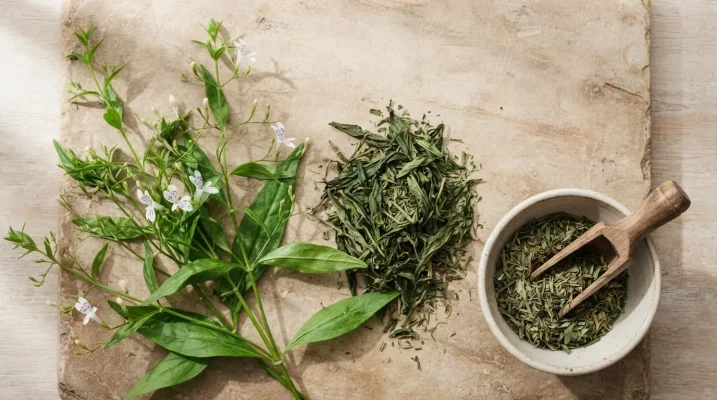
Andrographis Paniculata: Benefits, Herb Profile, Uses, Dosage & Safety
Andrographis paniculata is a bitter medicinal herb from the Acanthaceae family, often called “King of...
Sep

Patriot Day: History, Facts, and 9/11 Remembrance
Patriot Day is a day of remembrance. It is held every year on September 11th...
Sep
Olive Leaf: Benefits, Active Compounds, and How to Use It
We all use or have heard about olive oil. But did you know that the...
Sep
Labor Day Sale: Fresh Fall Botanicals
Update: The Herb To Body Labor Day 2026 sale ended on Monday, September 7, 2026,...
Sep
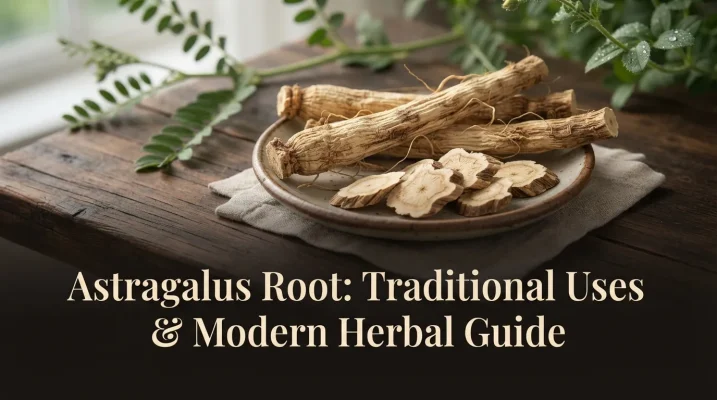
Astragalus Root: Benefits, Uses, Dosage & Safety
Astragalus root, also known as huang qi, comes from a plant in the pea family...
Aug
Disclaimer: *These statements have not been evaluated by the Food and Drug Administration. This product is not intended to diagnose, treat, cure or prevent any disease.
Thank you for the complete directions to make Hibiscus tea.