

Mushroom
Reishi Mushroom Explained: What It Is, How It Works, and How to Use It

Reishi mushroom, or Ganoderma lucidum, is a well-known polypore fungus with a significant history in Eastern medicine. In Traditional Chinese Medicine and Japanese medicine, it is called “Lingzhi,” meaning “spirit plant.”
What is Reishi Mushroom?
Reishi is a “polypore” fungus. It grows on decaying hardwood trees like oaks and maples. It has a shiny, reddish-brown cap that looks like a kidney. People use it as an adaptogen. Adaptogens help the body manage stress and stay in balance.
The medicinal benefits of reishi mushroom come from various bioactive compounds, including triterpenes, polysaccharides (particularly beta-glucans), peptidoglycans, and phenolic compounds.
Natural Forms of Reishi: Exploring the Species (Ganoderma s.l.)
- Ganoderma lucidum (Red Reishi): The most extensively studied species, characterized by a reddish-brown, shiny cap. It typically grows on deciduous trees like oaks and maples.
- Ganoderma tsugae (Hemlock Reishi): Found predominantly on coniferous trees, particularly hemlocks. It is often lighter in color than G. lucidum.
- Ganoderma sessile: A North American species often mistaken for G. lucidum, distinguished by its lack of a distinct stem (stipe).
- Ganoderma sinense (Black Reishi): Native to China, known for its dark, almost black coloration and traditional use in tonifying the kidneys and liver.
- Ganoderma curtisii: A North American species that is typically yellowish with a prominent stem.

Wild-Harvested vs. Cultivated Reishi
- Wild-Harvested: Traditionally prized for potency but carries risks of inconsistent quality and environmental contamination (heavy metals/pesticides).
- Cultivated: Most commercial products use log or substrate (sawdust) cultivation. This allows for standardized quality, consistent potency, and sustainable production.
5 Types of Reishi and Their Traditional Uses
While Red Reishi is the most common, different colors offer unique properties:
| Color | Specimen | Targeted Focus | Main Benefit |
| Red | G. lucidum | Heart & Immune* | Maximum Potency* |
| Black | G. sinense | Brain & Kidney* | Cognitive Support* |
| White | G. applanatum | Lungs & Skin* | Respiratory Health* |
| Yellow | G. curtisii | Spleen & Energy* | Digestive Balance* |
| Purple | G. sinense (var) | Joints & Essence* | Overall Vitality* |
Reishi Mushroom Forms and How to Use Reishi

- Powder: Add extract powder to coffee, tea, or smoothies.
- Capsules: The easiest way to get a precise daily dose.
- Tinctures: Liquid drops for fast absorption.
- Reishi Tea: Simmer dried slices for 30 minutes. It will taste bitter, so add honey!
Benefits of Reishi Mushroom
Modern research focuses on two main compounds: Beta-glucans (for immunity) and Triterpenes (for calm).
- Immune System Support: Reishi may help your immune cells to work better.*
- Stress and Relaxation: The triterpenes in Reishi support the nervous system. This helps you relax and improves sleep quality.*
- Heart Health: Some studies show it may help maintain healthy blood pressure and cholesterol levels already in a normal range.*
- Antioxidant Power: It helps fight oxidative stress, which protects your cells from damage.*
FDA Compliance Note: These statements have not been evaluated by the Food and Drug Administration. This product is not intended to diagnose, treat, cure, or prevent any disease.
Read More: Reishi Mushroom Powder Benefits, Side Effect and Quality Facts
Dosage and Safety Guidelines
- Standardized Extract: 500-1500 mg per day, divided into doses.
- Tinctures: 1-2 ml, 1-3 times daily.
- Dried Slices (Tea): 3-10 grams simmered in water.
Safety and Side Effects
Reishi is safe for most people, but follow these rules:
- Blood Thinners: Avoid Reishi if you take anticoagulants, as it may increase bleeding risk.
- Surgery: Stop taking Reishi 2 weeks before any surgery.
- Medication: speak with your provider if you take prescription medication.
- Pregnancy: Consult a doctor before use if you are pregnant or breastfeeding.
How to Choose the Best Reishi Supplement
Not all Reishi products are equal. To rank high in quality, look for these three things:
- Fruiting Body: Many brands use “Mycelium on Grain.” This is mostly starch (filler). Look for the “Fruiting Body” label for the highest concentration of active compounds.
- Dual Extraction: Reishi has two types of beneficial compounds. Some dissolve in water, others in ethanol. A “Dual Extract” gives you both.
- Beta-glucan Content: Ensure the label lists the exact percentage of Beta-glucans (aim for 20% or higher).
Conclusion
Reishi could help with stress, immunity, and calm. Team it up with Lion’s Mane for brain power, Chaga mushroom for antioxidants, and Cordyceps for energy. White Reishi adds balance and feel-good vibes. Try these mushrooms as part of your everyday routine, simple and fun!
Frequently Asked Questions (FAQ)
Benefits for sleep and stress are often noticed within a few weeks of consistent use, while immune benefits may take longer to manifest.
Red Reishi (G. lucidum) is the most scientifically researched and generally considered the most potent for immune and cardiovascular support.*
Traditionally Reishi is considered a superior herb, suitable for long-term use. However, it is always best to consult a healthcare provider for personalized advice.*
Reishi mushroom may support immune function, reduces fatigue, and promotes relaxation and more.*
Disclaimer: *These statements have not been evaluated by the Food and Drug Administration. This product is not intended to diagnose, treat, cure or prevent any disease.

Columbus Day 2026: History, Plants of the Columbian Exchange
Many foods and herbs we use today including chili peppers, cacao, vanilla, tomatoes, and potatoes,...
Oct

Vitamin C Powder: Forms, Dosage, Safety, and How to Choose
Vitamin C powder is a dissolvable supplement that is usually made with ascorbic acid or...
Oct

Goldenseal Root: Uses, Dosage, Safety & How to Buy It
What Is Goldenseal Root? Goldenseal root is a bitter yellow herb with a long history...
Oct
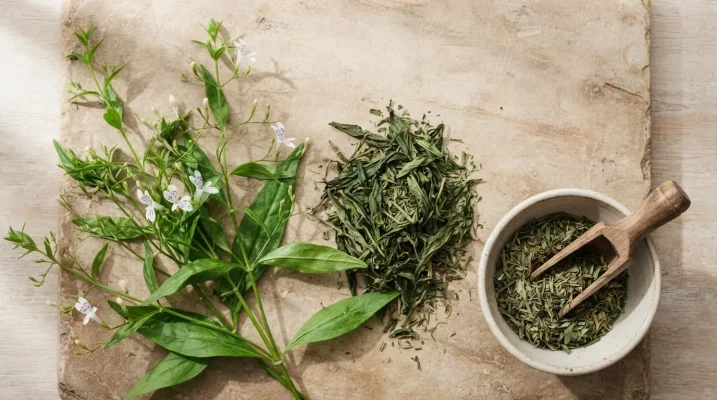
Andrographis Paniculata: Benefits, Herb Profile, Uses, Dosage & Safety
Andrographis paniculata is a bitter medicinal herb from the Acanthaceae family, often called “King of...
Sep

Patriot Day: History, Facts, and 9/11 Remembrance
Patriot Day is a day of remembrance. It is held every year on September 11th...
Sep
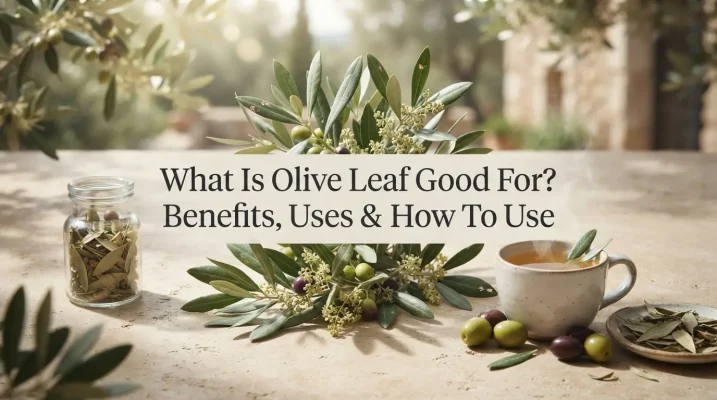
Olive Leaf: Benefits, Active Compounds, and How to Use It
We all use or have heard about olive oil. But did you know that the...
Sep
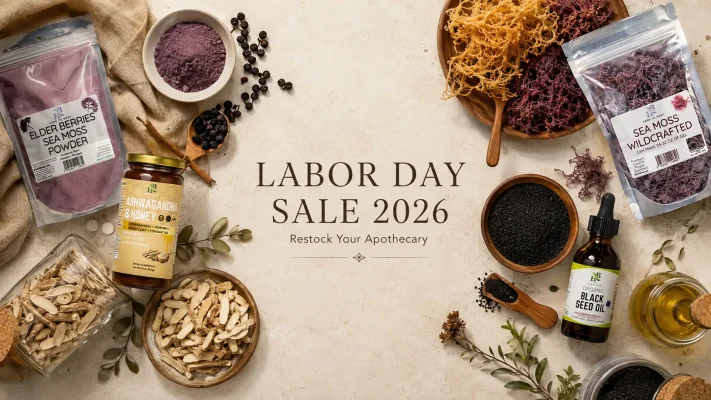
Labor Day Sale: Fresh Fall Botanicals
Update: The Herb To Body Labor Day 2026 sale ended on Monday, September 7, 2026,...
Sep
Astragalus Root: Benefits, Uses, Dosage & Safety
Astragalus root, also known as huang qi, comes from a plant in the pea family...
Aug
What Is Echinacea: Benefits, Active Compounds, Types, Uses and Who Should Avoid It?
When the cold season arrives, many people add a traditional botanical such as Echinacea to...
Aug

Elderberry (Sambucus nigra): What It’s Used For, Potential Benefits & Safety
Every autumn, the same scene plays out – someone at home starts sniffling. Through the...
Aug
Immune Supporting Herbs: Forms, Uses & Safety Guide
What is an Immune Support Herb? An immune-support herb is a plant traditionally used for...
Aug

Back to School Wellness: A Routine for the Whole School Year
The first bell of the school year changes a household’s routine overnight. Bedtimes shift earlier,...
Aug
Herbs for Women: Traditional Uses, Research Notes and Safety
Many women wellness seekers search for simple herbs to add to a daily routine. Some...
1 Comment
Aug
Oat Straw Tea: Benefits, Uses & How to Brew and Use Perfectly?
What Is Oat Straw Tea? Oat straw tea is a mild herbal tea made from...
Jul
Shikakai Powder: Benefits, Active Compounds, Uses and Safety
Long before bottled shampoo existed, people in South Asia reached for a dried legume pod...
Jul

Mugwort Tea: Benefits, Brewing, Flavor & the Safety Concern No One’s Telling You
Mugwort tea (Artemisia vulgaris), also known as the “Mother of Herbs,” holds a storied place...
Jul
Wormwood Herb: Benefits, Side Effects, Uses, Compounds & More
Wormwood (Artemisia absinthium) is one of the most famous and intensely bitter herbs in traditional...
Jul

Wheatgrass Juice Powder: Benefits, Nutrients, Uses, Taste Comparison & Buying Guide
In a perfect world, we’d all eat fresh greens every single day. But reality hits...
Jul
Yerba Mate: What Is It, Benefits, Caffeine Amount, and How to Make It
Yerba mate is a traditional caffeinated beverage from South America made from the dried leaves...
Jul

Alligator Pepper: Flavor, Uses, Botanical Profile, Substitute and Buying Tips
If you heard the name “alligator pepper,” what comes to mind? Is it the same...
Jul

Green Black Walnut Hull & Extract (Juglans nigra): Benefits, Uses & How It Differs
When you’re looking for black walnut hull, you quickly notice two very different products. One...
Jul

Fourth of July 2026: History, Traditions, and a Safe, Fun Day
The Fourth of July is easy to picture. The grill is going. Music is playing....
Jun

When Is Juneteenth 2026? Meaning, History, Colors & Herbal Deals
Many people know Juneteenth is a holiday, but they don’t know what to do. They...
Jun
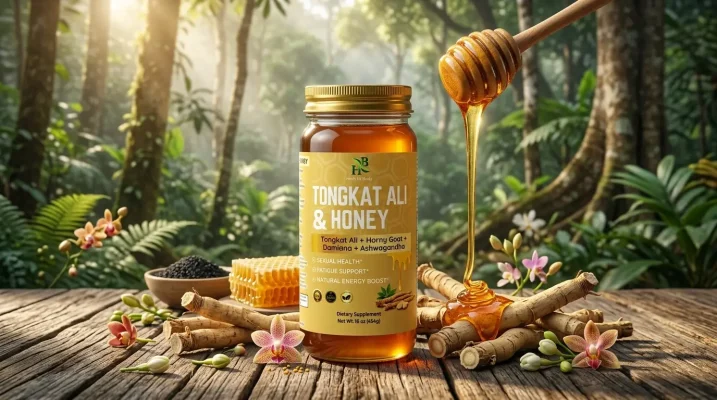
Tongkat Ali Honey: Benefits, Taste, Uses & How to Take
Tongkat ali honey is honey mixed with tongkat ali root (Eurycoma longifolia, also called longjack)....
Jun

Best Father’s Day Gifts 2026 for a Health-Minded Dad
Most dads rarely ask for anything for themselves. They say “I’m fine” while rubbing a...
Jun
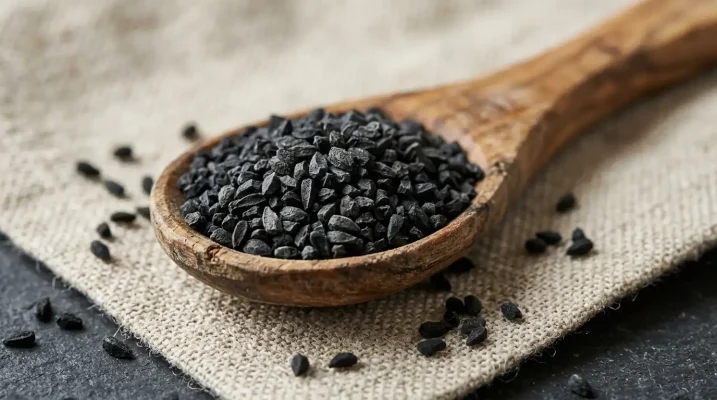
Black Seed (Nigella sativa): Compounds, Uses & Safety
Black seed is a versatile herb available year-round. It can be used in cooking, added...
Jun
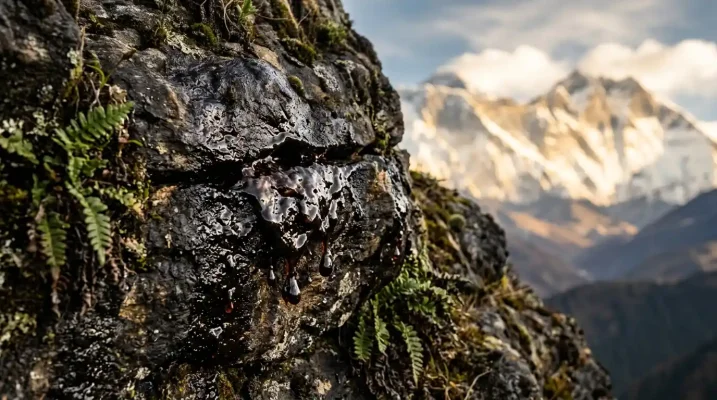
Shilajit: What It Is, How It Works, and How to Choose the Right Form?
Shilajit is a natural mineral resin. It forms in high-altitude mountain ranges, mainly the Himalayas,...
Jun

Prekese (Aidan Fruit): Benefits, Active Compounds, Uses & Safety Guide
Prekese (Tetrapleura tetraptera) is a flowering tree in the Fabaceae (legume) family. It grows in...
May