


Spices, Whole Herbs
Whole Cloves and Oral Comfort: Traditional Uses and What to Know

Experiencing a toothache can be debilitating, often striking at inconvenient times. While professional dental care is the solution for underlying issues, many people look to traditional home practices for temporary comfort. Whole cloves, a common spice found in most kitchens, have been used for centuries in traditional oral-care practices.
In this step-by-step approach to safely and effectively use whole cloves for temporary comfort.
Key Takeaways
- Whole cloves have long been held against a sore tooth for temporary comfort via eugenol, its characteristic aromatic compound (source: Journal of Dentistry review on eugenol’s oral analgesia).
- Safe for short-term adult use; dilute clove oil and avoid swallowing.
- Not a substitute for professional care, seek a dentist if pain, includes swelling/fever.
Common Causes of Tooth Pain
Toothaches signal dental issues. Key triggers include:
- Cavities (Dental Caries)
- Dental Abscess
- Gum Disease (Periodontitis)
- Cracked or Fractured Tooth
- Lost Filling or Crown
- Impacted Wisdom Teeth
- Bruxism (Teeth Grinding)
- Sinusitis
Why Tooth Pain Can Feel Worse at Night?
When lying down, increased blood flow to the head may raise pressure in inflamed teeth, and fewer distractions can make pain more noticeable. Nighttime does not cause tooth pain but can intensify existing discomfort.*
Science of Cloves for Tooth Pain
Cloves (Syzygium aromaticum) contain 70-90% eugenol, a compound long associated with the warming, aromatic character of the spice (NIH PubMed: eugenol inhibits nerve signals and oral bacteria like Streptococcus mutans).
- Traditional use: May temporarily reduce pain for a short duration; effects vary.*
- Important note: Cloves are a food and are not a substitute for dental treatment.*
Source: A 2013 study in the Journal of Dentistry suggested clove oil may provide short-term analgesia in limited dental settings.
How to Use Whole Cloves for Toothache Relief: A Step-by-Step Guide
Using whole cloves is a traditional home practice for temporary comfort due to eugenol, the compound behind the characteristic aroma of clove.
| Method | Best For | Active Time | Frequency |
| Whole Clove | Targeted, localized pain | 10-30 Minutes | Limit repeated use and avoid using beyond short-term relief (same day) without dental evaluation. |
| Clove Pack | Sensitive gums or broad pain | 10-30 Minutes | Limit repeated use and avoid using beyond short-term relief (same day) without dental evaluation. |
Materials Needed
Before beginning, gather these items to ensure a hygienic process:
- 2-3 Whole Cloves: Must be dark brown, plump, and fragrant. Avoid stale or powdered cloves.
- Warm Water: For a preliminary mouth rinse.
- Carrier Oil (Optional): A few drops of olive or coconut oil. If you have sensitive gums.
- Disposal Tool: A paper towel or tissue for discarding used cloves.
Preparation & Safety
- Clean the Area: At first rinse your mouth with warm water or a mild saltwater solution to remove food debris from the affected tooth.
- Inspect the Clove: Ensure the “stem” and “head” of the clove are intact.
- Safety Warning: Do not swallow the cloves or the resulting paste. If you experience a burning sensation or a rash, spit them out immediately and rinse with plain water.
Application Methods
Method | Best For | Steps | Duration |
| Placement (Slow Release) | Steady numbing | 1. Place 1-2 cloves on painful area. 2. Use tongue to hold; let saliva soften (3-5 min). 3. Gently bite with non-painful tooth. 4. Hold 15-30 min until numb. | 15-30 min |
| Gentle Chew (Fast-Acting) | Quick relief | 1. Place 2 cloves near pain. 2. Crush lightly with healthy teeth. 3. Form paste with saliva; apply to area. 4. Hold 20 min, then spit/rinse. | 20 min |
| Clove Pack (Sensitive Gums) | Broad/gum pain | 1. Crush 2-3 cloves lightly. 2. Wrap in gauze/cotton; dampen with oil/water. 3. Tuck against tooth 30 min. | 30 min |
Clove Oil Alternative: Dilute 1-2 drops in 1 tsp carrier oil; dab via cotton swab. Never use undiluted.
Other Forms of Clove for Relief

Form | Application Method | Best For |
| Whole Cloves | Placed or chewed gently | Safest home use; slow release |
| Clove Oil | Diluted with carrier oil on a cotton swab | Potent, fast-acting relief |
| Ground Cloves | Mixed with water/oil to form a paste | Milder alternative to oil |
Clove Oil Warning
Never apply pure clove oil directly to gums. Always dilute it (1-2 drops per teaspoon of carrier oil like olive or coconut oil). Use a cotton swab to dab the mixture strictly on the affected spot.
Important Safety Precautions
- Do not swallow clove oil: Ingestion can cause nausea and liver toxicity. These risks are associated with swallowing clove oil, not short-term topical use of whole cloves. Always dilute clove oil before oral use.*
- Allergies: Test small area first.
- Children: Avoid clove oil due to ingestion risk; consult a pediatric dentist.
- Limits: Max 2-3 uses/day; discontinue after 24 hours without dentist visit.
Warning Use in Children: Clove oil is not recommended for children, especially infants. Accidental ingestion can be toxic, leading to seizures or liver damage. Consult a pediatric dentist immediately for children’s toothaches.
Other Natural Home Remedies
- Saltwater Rinse: 1/2 tsp salt in warm water. Swish for 30 seconds.
- Cold Compress: Apply to the outside of the cheek for 15-20 minutes to reduce swelling.
- Peppermint Tea Bags: Place a cooled, damp tea bag on the area for its warming, aromatic character.
- Garlic: Apply a paste of crushed garlic and salt.
When to See a Dentist Immediately?
Seek urgent professional care if you experience:
Urgent signs
- Unrelenting pain for 2 hours.
- Facial/jaw swelling, fever, pus.
- Breathing/swallowing difficulty.
P.S. This guide draws from peer-reviewed sources (NIH, ADA) for informational purposes. Not medical advice, consult a dentist for diagnosis/treatment.
Conclusion
Whole cloves are an effective temporary measure due to eugenol, but they do not address the root cause of dental issues. Delaying professional treatment can lead to life-threatening complications if an infection spreads. Always prioritize a visit to the dentist.
Disclaimer: This article provides information for temporary relief and should not replace professional dental advice or treatment. Always consult a qualified dental professional for persistent tooth pain or any dental emergency.
Frequently Asked Questions (FAQ)
No. They are intended for topical application. Swallowing large amounts can lead to toxicity.*
Every 2-3 hours as needed, but avoid prolonged contact to prevent gum irritation.*
You can apply cloves 2-3 times, no more than that (each time for 5-15 minutes). Provided there is no visible irritation to the gum tissue.*
Typically a few hours. It is only a temporary measure.*
No. This poses a significant choking hazard and increases the risk of chemical burns on the gums.
Dilute 1-2 drops of clove oil in carrier oil, dab on cotton ball to aching tooth sparingly. Always dilute; undiluted oil can irritate the gums, avoid undilution to prevent gum irritation. If needed, seek dentist help.
Source: Efficacy of Articaine or Eugenol for Pain Relief after Emergency Coronal Pulpotomy in Teeth – PubMed
Disclaimer: *These statements have not been evaluated by the Food and Drug Administration. This product is not intended to diagnose, treat, cure or prevent any disease.

Columbus Day 2026: History, Plants of the Columbian Exchange
Many foods and herbs we use today including chili peppers, cacao, vanilla, tomatoes, and potatoes,...
Oct

Vitamin C Powder: Forms, Dosage, Safety, and How to Choose
Vitamin C powder is a dissolvable supplement that is usually made with ascorbic acid or...
Oct

Goldenseal Root: Uses, Dosage, Safety & How to Buy It
What Is Goldenseal Root? Goldenseal root is a bitter yellow herb with a long history...
Oct
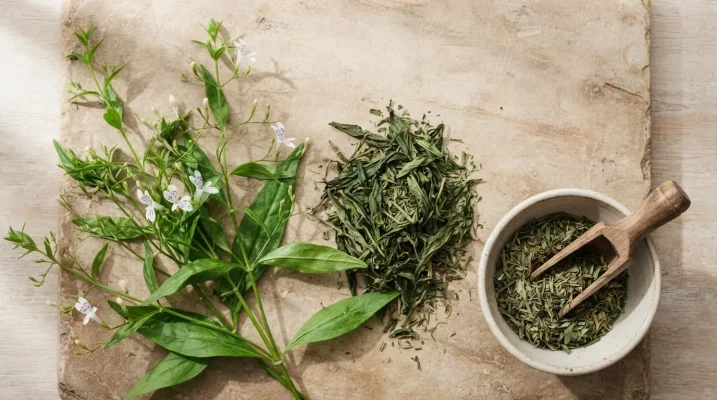
Andrographis Paniculata: Benefits, Herb Profile, Uses, Dosage & Safety
Andrographis paniculata is a bitter medicinal herb from the Acanthaceae family, often called “King of...
Sep

Patriot Day: History, Facts, and 9/11 Remembrance
Patriot Day is a day of remembrance. It is held every year on September 11th...
Sep

Olive Leaf: Benefits, Active Compounds, and How to Use It
We all use or have heard about olive oil. But did you know that the...
Sep

Labor Day Sale: Fresh Fall Botanicals
Update: The Herb To Body Labor Day 2026 sale ended on Monday, September 7, 2026,...
Sep

Astragalus Root: Benefits, Uses, Dosage & Safety
Astragalus root, also known as huang qi, comes from a plant in the pea family...
Aug

What Is Echinacea: Benefits, Active Compounds, Types, Uses and Who Should Avoid It?
When the cold season arrives, many people add a traditional botanical such as Echinacea to...
Aug

Elderberry (Sambucus nigra): What It’s Used For, Potential Benefits & Safety
Every autumn, the same scene plays out – someone at home starts sniffling. Through the...
Aug

Immune Supporting Herbs: Forms, Uses & Safety Guide
What is an Immune Support Herb? An immune-support herb is a plant traditionally used for...
Aug

Back to School Wellness: A Routine for the Whole School Year
The first bell of the school year changes a household’s routine overnight. Bedtimes shift earlier,...
Aug

Herbs for Women: Traditional Uses, Research Notes and Safety
Many women wellness seekers search for simple herbs to add to a daily routine. Some...
1 Comment
Aug

Oat Straw Tea: Benefits, Uses & How to Brew and Use Perfectly?
What Is Oat Straw Tea? Oat straw tea is a mild herbal tea made from...
Jul

Shikakai Powder: Benefits, Active Compounds, Uses and Safety
Long before bottled shampoo existed, people in South Asia reached for a dried legume pod...
Jul

Mugwort Tea: Benefits, Brewing, Flavor & the Safety Concern No One’s Telling You
Mugwort tea (Artemisia vulgaris), also known as the “Mother of Herbs,” holds a storied place...
Jul

Wormwood Herb: Benefits, Side Effects, Uses, Compounds & More
Wormwood (Artemisia absinthium) is one of the most famous and intensely bitter herbs in traditional...
Jul

Wheatgrass Juice Powder: Benefits, Nutrients, Uses, Taste Comparison & Buying Guide
In a perfect world, we’d all eat fresh greens every single day. But reality hits...
Jul

Yerba Mate: What Is It, Benefits, Caffeine Amount, and How to Make It
Yerba mate is a traditional caffeinated beverage from South America made from the dried leaves...
Jul

Alligator Pepper: Flavor, Uses, Botanical Profile, Substitute and Buying Tips
If you heard the name “alligator pepper,” what comes to mind? Is it the same...
Jul

Green Black Walnut Hull & Extract (Juglans nigra): Benefits, Uses & How It Differs
When you’re looking for black walnut hull, you quickly notice two very different products. One...
Jul

Fourth of July 2026: History, Traditions, and a Safe, Fun Day
The Fourth of July is easy to picture. The grill is going. Music is playing....
Jun

When Is Juneteenth 2026? Meaning, History, Colors & Herbal Deals
Many people know Juneteenth is a holiday, but they don’t know what to do. They...
Jun

Tongkat Ali Honey: Benefits, Taste, Uses & How to Take
Tongkat ali honey is honey mixed with tongkat ali root (Eurycoma longifolia, also called longjack)....
Jun

Best Father’s Day Gifts 2026 for a Health-Minded Dad
Most dads rarely ask for anything for themselves. They say “I’m fine” while rubbing a...
Jun
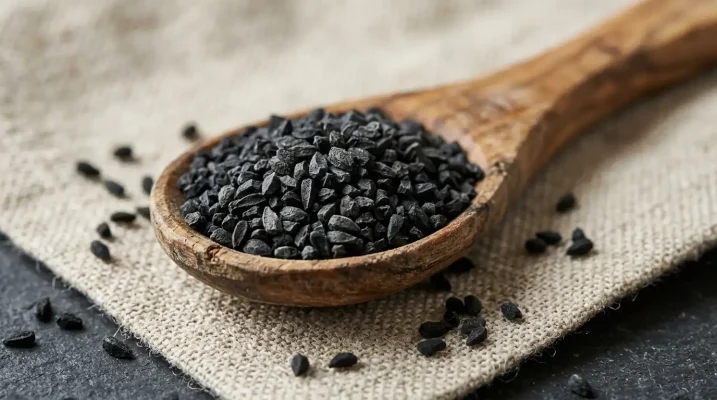
Black Seed (Nigella sativa): Compounds, Uses & Safety
Black seed is a versatile herb available year-round. It can be used in cooking, added...
Jun

Shilajit: What It Is, How It Works, and How to Choose the Right Form?
Shilajit is a natural mineral resin. It forms in high-altitude mountain ranges, mainly the Himalayas,...
Jun

Prekese (Aidan Fruit): Benefits, Active Compounds, Uses & Safety Guide
Prekese (Tetrapleura tetraptera) is a flowering tree in the Fabaceae (legume) family. It grows in...
May