


Mushroom
Lion’s Mane Mushroom Powder: Benefits, Uses, Recipes & Buying Tips for 2026

Lion’s Mane mushroom (Hericium erinaceus) is well-known for its brain support benefits and unique appearance. It has been used for centuries in food and tea, with dried powder being a convenient choice for daily wellness.
This guide provides essential information on its origins, scientific support, practical uses, and tips for sourcing, helping you incorporate Lion’s Mane into your wellness routine.
What is Lion’s Mane Mushroom?
Before we explore the powder, it’s essential to understand the source and exactly what is Lion’s Mane. This fungus, often called Lion’s Mane (Hericium), is an edible and medicinal mushroom native to North America, Europe, and Asia. It typically grows on hardwood trees, particularly oak and beech, and is easily recognizable by its cascading spines.
Botanical Profile and Traditional Use
Lion’s Mane, or Hericium erinaceus (also known as Melena de Leon in Spanish), has been used in traditional Chinese medicine for centuries for its benefits to digestion and cognitive function. It was historically used as a tonic for the five internal organs. Additionally, this lion mushroom is enjoyed as a delicacy in many Asian cuisines for its seafood-like texture.
The Shift to Powdered Form
While consuming fresh mushrooms offers benefits, the practicalities of daily intake led to the development of the lion’s mane mushroom supplement. The drying process preserves the mushroom’s potent compounds, and grinding it into a fine lions mane powder (often searched for as lions maine) makes it incredibly versatile for modern life.
Read More: Types of Mushrooms

Lion’s Mane Mushroom Powder Benefits: What Is Lion’s Mane Good For?
Many people ask, is lion’s mane good for you? The answer lies in its unique chemical profile. As one of the most studied nootropic mushrooms, it offers several distinct advantages:
Brain Health and Focus*
- May stimulate Nerve Growth Factor (NGF) production: The benefits of lions mane include hericenones and erinacines that cross the blood-brain barrier to promote neuron growth.*
- Potentially improve memory: Clinical trials show enhanced memory with regular supplementation.*
Source: Lion’s Mane Research Database
Mood Support*
- May support a calm, steady mood: Early research has examined its role in normal nervous-system function.*
May Support Gut Health*
- Could support gut microbiome: Contains prebiotics that nourish beneficial bacteria.*
- May support the stomach lining: Studied in laboratory settings for its role in digestive comfort.*
Source: The Anti-Inflammatory Effects of Lion’s Mane Culinary-Medicinal Mushroom
Immune Support*
- Possibly enhance immune response: Polysaccharides boost immune cell activity.*
- Might reduce chronic inflammation: Creates a better environment for immune function.*
Source: Health Benefits of Lion’s Mane Mushrooms
Antioxidant*
Rich in antioxidants that may combat free radical damage and cell aging.*
How to Use Dried Lion’s Mane Mushroom Powder: Dosage and Application
Integrating lion’s mane supplements into your daily routine is easier than you think. One of the greatest advantages of mushroom powder is its versatility.
General Dosage Guidelines
There’s no universally standardized lion’s mane dosage, but most studies suggest a daily intake of 500 mg to 3,000 mg. It’s recommended to start low (500-1000 mg) and gradually increase.
Versatile Ways to Use Lion Mushroom Powder

Beverages
- Coffee or Tea: Stir a scoop into your morning coffee or favorite herbal tea. It has a mild, earthy flavor that blends well.
- Smoothies: A perfect addition to any fruit or vegetable smoothie, masking its subtle taste.
- Juices: Mix with orange juice or another preferred juice for a quick intake.
Food
- Oatmeal or Yogurt: Stir into your breakfast oatmeal, yogurt, or chia pudding.
- Soups and Stews: Can be added to warm soups, broths, or stews, especially during the cooking process.
- Baked Goods: Some people even incorporate it into healthy baked goods like muffins or energy bars.
Capsules vs. Powder
While powder offers versatility, capsules provide a convenient, pre-measured dose for those who prefer not to taste it or are on the go. The choice depends on personal preference and lifestyle.
What to Check Before Buy?
Here are the few thing may check before buying lion mane mushroom
- Purity Standards: Look for Certified Organic and Non-GMO labels.
- Potency: A high-quality mushroom extract should have at least 20-30% beta-glucans.
- Fruiting Body vs. Mycelium: Always prioritize products made from fruiting body extract. Many products use mycelium grown on grain, which results in a product that is mostly grain starch rather than active mushroom compounds.
Where to buy lion’s mane mushroom products, check out here.
Extraction Methods: Fruiting Body vs. Mycelium
- Fruiting Body: The actual mushroom you see growing. The fruiting body is generally considered superior as it contains a higher concentration of the beneficial compounds, particularly beta-glucans, hericenones, and erinacines. Products made solely from the fruiting body are often more potent and effective.
- Mycelium: The root-like structure of the mushroom, often grown on grain (e.g., rice, oats). While mycelium does contain some beneficial compounds, when grown on grain, the final product often contains a significant amount of grain starch filler (up to 70% or more). This dilutes the active compounds, making the product less effective and essentially selling you grain powder.
Always prioritize products made from 100% fruiting body extract.
Lion’s Mane Mushroom Side Effects
Lion’s Mane is generally safe for most people, but it’s important to be aware of potential reactions.
Avoid or consult a doctor if:
- Pregnant or Breastfeeding.
- You have mushroom allergies.
- Have chronic medical conditions.
Conclusion
Lion’s Mane mushroom is a unique type mushroom known for its potential cognitive health benefits, everyday cognitive wellness, and overall wellness. It has been studied for its role in nerve growth factor and normal brain function, making it a key focus of research.
Moreover, it’s versatile in cooking and can be cultivated at home. As research progresses, Lion’s Mane continues to emerge as a promising functional mushroom for enhancing brain health and cognitive performance.*
requently Asked Questions (FAQ)
Lion’s Mane is generally safe for daily, long-term use. Many of its benefits are cumulative, meaning they build up over time with consistent supplementation.*
Many people prefer to take Lion’s Mane in the morning or early afternoon, especially if they are seeking cognitive enhancement and focus, as it can be mildly stimulating for some. However, it can be taken at any time of day, and some even prefer it in the evening for its potential mood-balancing effects.*
While generally safe, it’s not recommended for individuals with mushroom allergies, and caution is advised for pregnant/breastfeeding women, those on blood thinners, or people with specific medical conditions. Always consult a healthcare provider if unsure.*
Effects vary by individual. Some users report subtle improvements in focus and mood within a few days to a couple of weeks. More significant cognitive benefits, like improved memory or nerve regeneration, may take several weeks to a few months of consistent daily use to become noticeable.
Disclaimer: *These statements have not been evaluated by the Food and Drug Administration. This product is not intended to diagnose, treat, cure or prevent any disease.

Columbus Day 2026: History, Plants of the Columbian Exchange
Many foods and herbs we use today including chili peppers, cacao, vanilla, tomatoes, and potatoes,...
Oct

Vitamin C Powder: Forms, Dosage, Safety, and How to Choose
Vitamin C powder is a dissolvable supplement that is usually made with ascorbic acid or...
Oct

Goldenseal Root: Uses, Dosage, Safety & How to Buy It
What Is Goldenseal Root? Goldenseal root is a bitter yellow herb with a long history...
Oct
Andrographis Paniculata: Benefits, Herb Profile, Uses, Dosage & Safety
Andrographis paniculata is a bitter medicinal herb from the Acanthaceae family, often called “King of...
Sep

Patriot Day: History, Facts, and 9/11 Remembrance
Patriot Day is a day of remembrance. It is held every year on September 11th...
Sep

Olive Leaf: Benefits, Active Compounds, and How to Use It
We all use or have heard about olive oil. But did you know that the...
Sep
Labor Day Sale: Fresh Fall Botanicals
Update: The Herb To Body Labor Day 2026 sale ended on Monday, September 7, 2026,...
Sep
Astragalus Root: Benefits, Uses, Dosage & Safety
Astragalus root, also known as huang qi, comes from a plant in the pea family...
Aug

What Is Echinacea: Benefits, Active Compounds, Types, Uses and Who Should Avoid It?
When the cold season arrives, many people add a traditional botanical such as Echinacea to...
Aug

Elderberry (Sambucus nigra): What It’s Used For, Potential Benefits & Safety
Every autumn, the same scene plays out – someone at home starts sniffling. Through the...
Aug
Immune Supporting Herbs: Forms, Uses & Safety Guide
What is an Immune Support Herb? An immune-support herb is a plant traditionally used for...
Aug

Back to School Wellness: A Routine for the Whole School Year
The first bell of the school year changes a household’s routine overnight. Bedtimes shift earlier,...
Aug
Herbs for Women: Traditional Uses, Research Notes and Safety
Many women wellness seekers search for simple herbs to add to a daily routine. Some...
1 Comment
Aug
Oat Straw Tea: Benefits, Uses & How to Brew and Use Perfectly?
What Is Oat Straw Tea? Oat straw tea is a mild herbal tea made from...
Jul
Shikakai Powder: Benefits, Active Compounds, Uses and Safety
Long before bottled shampoo existed, people in South Asia reached for a dried legume pod...
Jul

Mugwort Tea: Benefits, Brewing, Flavor & the Safety Concern No One’s Telling You
Mugwort tea (Artemisia vulgaris), also known as the “Mother of Herbs,” holds a storied place...
Jul

Wormwood Herb: Benefits, Side Effects, Uses, Compounds & More
Wormwood (Artemisia absinthium) is one of the most famous and intensely bitter herbs in traditional...
Jul

Wheatgrass Juice Powder: Benefits, Nutrients, Uses, Taste Comparison & Buying Guide
In a perfect world, we’d all eat fresh greens every single day. But reality hits...
Jul

Yerba Mate: What Is It, Benefits, Caffeine Amount, and How to Make It
Yerba mate is a traditional caffeinated beverage from South America made from the dried leaves...
Jul

Alligator Pepper: Flavor, Uses, Botanical Profile, Substitute and Buying Tips
If you heard the name “alligator pepper,” what comes to mind? Is it the same...
Jul

Green Black Walnut Hull & Extract (Juglans nigra): Benefits, Uses & How It Differs
When you’re looking for black walnut hull, you quickly notice two very different products. One...
Jul

Fourth of July 2026: History, Traditions, and a Safe, Fun Day
The Fourth of July is easy to picture. The grill is going. Music is playing....
Jun

When Is Juneteenth 2026? Meaning, History, Colors & Herbal Deals
Many people know Juneteenth is a holiday, but they don’t know what to do. They...
Jun
Tongkat Ali Honey: Benefits, Taste, Uses & How to Take
Tongkat ali honey is honey mixed with tongkat ali root (Eurycoma longifolia, also called longjack)....
Jun

Best Father’s Day Gifts 2026 for a Health-Minded Dad
Most dads rarely ask for anything for themselves. They say “I’m fine” while rubbing a...
Jun
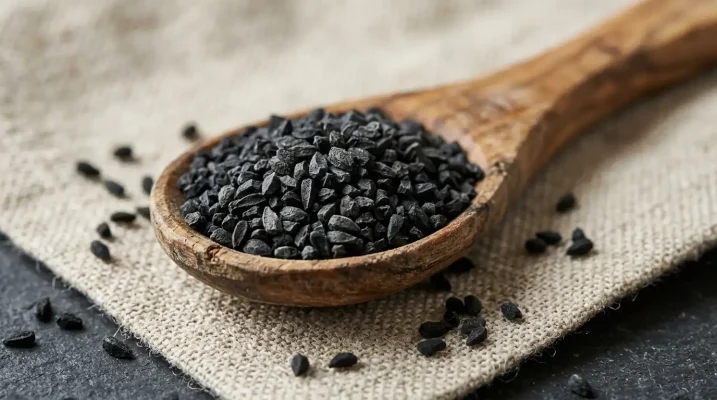
Black Seed (Nigella sativa): Compounds, Uses & Safety
Black seed is a versatile herb available year-round. It can be used in cooking, added...
Jun

Shilajit: What It Is, How It Works, and How to Choose the Right Form?
Shilajit is a natural mineral resin. It forms in high-altitude mountain ranges, mainly the Himalayas,...
Jun

Prekese (Aidan Fruit): Benefits, Active Compounds, Uses & Safety Guide
Prekese (Tetrapleura tetraptera) is a flowering tree in the Fabaceae (legume) family. It grows in...
May