


Herbs
Dried Lavender: Uses, Drying, Storage & Where to Buy?

Dried lavender, derived from the purple buds of Lavandula angustifolia, is a versatile herb known for its aroma, culinary uses, and wellness benefits. Used for over 2,500 years, it is traditionally valued for stress support, sleep, and skincare due to compounds like linalool.
History of This Purple Flower
Egyptians used it in perfumes; Romans in baths and linens. Provence, France, remains a leading source for both culinary and craft varieties.
What is Dried Lavender?
Dried lavender typically means the preserved flower buds of the herb plant. On the other hand, common types include:
- Whole buds: Complete dried tops, suitable for sachets, tea, and infusions.
- Lavender Whole: Full flower heads, sometimes with short stems.
- Petals: Loose flower segments for crafts or light infusions.
- Lavender Flower Powder: Finely ground flowers for baking, cosmetics, or blending.
Culinary recipes favor Lavandula angustifolia due to its sweet floral profile, which is less bitter than lavandin types.
The Science Behind Dried Lavender
Compounds like linalool and linalyl acetate drive its effects, with antioxidants adding support. Research suggests lavender may help support relaxation, sleep quality, and skin health.*
Culinary vs. Craft Grade: A Quick Checklist
Select appropriate dried lavender based on purpose; not all are suitable for consumption. You can follow this checklist-
- Culinary Grade: The only type safe to eat. Picked at peak bloom, pesticide-free, and perfect for teas, baking, and cooking. (Choose Lavandula angustifolia).
- Craft Grade: Intended for aromatic use only (sachets, potpourri). It may be a different species (like lavandin) or treated with oils not safe to ingest.*
- Species: Choose Lavandula angustifolia for cooking or tea.
- Lavender Powder: Finely ground for spice blends, baking, bath products, or cosmetics.
- Whole Buds: Best for visual appeal in potpourri or for steeping in teas, syrups, and infusions.
However, to synthetic options, lavender buds offer a natural option for everyday wellness. Issues like stress or skin concerns occur simultaneously. Nevertheless, understanding these forms helps in picking the right grade for therapeutic or practical needs.
Uses of Dried Lavender

Some practical applications with tips-
Kitchen (Tea, Baking, Syrups)
- Lavender Tea: A calming and aromatic herbal infusion. Traditionally used to support healthy digestion.*
- Baking & Pastries: Adds a floral note to scones, cookies, and cakes.
- Infused Syrups & Sugars: Perfect for lemonades, cocktails, and coffee.*
Therapeutic Benefits
- For Stress: Lavender is famous for its ability to support relaxation and help the body manage occasional stress.*
- For Mood: The herb may help support emotional well-being and a balanced mood.*
- For Sleep: Lavender tea is traditionally consumed 30 minutes before bed to promote restful sleep.*
DIY Lavender Skincare: Bath & Body

- Bath Sachet: ¼ cup buds in muslin for tubs.
- Scrubs & Soaps: You can use lavender as a ingredient to soothe and cleanse the skin.*
Home Fragrance & Crafts
- Sachets: Fill fabric pouches with 2-3 Tbsp buds for drawers.
- Potpourri & Wreaths: Mix whole buds with fixatives like orris root.
How to Dry Lavender: Step-by-Step Guide
Dry lavender at home with these dependable approaches, adjusted for time and quantity:
1. Air-Drying (Best Overall)
- Bundle 8-10 lavender stems together.
- Next, Bundle 6-10 stems, secure with twine, and hang inverted in a dark, ventilated, dry area
- Allow 2-4 weeks to dry completely.

2. Using a Dehydrator (Fastest Method)
- Arrange and keep stems or buds in a single layer.
- Set to low heat (95-115°F or 35-46°C), monitor progress.
- The process should be completed in hours.
3. The Paper Bag Method (Clean and Simple)
- Place lavendar bundles inside a paper bag.
- Punch a few holes in the bag for ventilation.
- Hang inverted in a dark, ventilated, dry area.
4. Using an Oven (For Small Amounts)
- Use this method carefully for quick, small batches.
- Spread buds on a baking sheet.
- Set your oven to its lowest possible temperature.
- Check every 15 minutes to prevent burning.
How to Store Lavender?
Proper storage maintains lavender’s potency-
- Container: Use airtight glass jars or metal tins.
- Environment: Place in cool, dark spots, away from heat and light.
- Labeling: Note date; best within 6-12 months for peak quality.
- Moisture Control: Discard if moldy; add desiccant for bulk.
Tips and checklist for users: Seal tightly, store darkly, label dates, refresh stock. Control factors like temperature and light for longevity.
Buying Dried Lavender in the USA – A Quick Guide
This herb is found in the USA many farms in several states:
- Washington: Sequim Valley Lavender Festival.
- Oregon: Willamette Valley.
- California: Central Coast farms.
- Texas: Hill Country lavender tours and markets.
- Bulk Suppliers: Reputable lavender online suppliers, including our shop at Herb to Body, offer cost-effective options for bulk purchases.
Before buying from anywhere, ensure and confirm the grades, species, and sizes.
Safety & Cautions
- Sensitivities: Test small amounts topically for allergies.
- Medical Interaction: Dried lavender has natural active ingredients like linalool. If you are pregnant, nursing, or taking medication (especially sleep aids), consult health experts before ingesting.*
Quick Recipes
- Lavender Tea: Mix 1 tsp buds with 1 cup hot water. Steep 5-7 minutes. Strain, sweeten as needed.
- Sugar Use: Blend 1 cup sugar and 1-2 Tbsp buds. Store in a jar for 1 week, sift for use in baking.
- Simple Sachet: Place 2-3 Tbsp lavender whole buds in a muslin bag. Position in drawers or under pillows.
Conclusion
Dried lavender is a beneficial herb when chosen carefully and prepared properly. This plant is gentle and versatile. From tea to skincare to home fragrance, it offers benefits supported by research and centuries of use.
Frequently Asked Questions (FAQ)
Yes, dried lavender is safe to eat, but make sure it’s the kind called culinary lavender, specifically Lavandula angustifolia. Check the labels that confirm it’s meant for cooking!
Only culinary-grade lavender is safe; add sparingly to desserts, teas, or syrups for a floral flavor.
If you store it properly way it may last 6-12+ months in proper storage.
Used for aromatherapy, cooking, home décor, sachets, potpourri, and natural insect repellent, promoting relaxation, fragrance, and flavor.
Dried lavender is not just a fragrant herb, it also offers a range of health benefits. It promotes relaxation, improves sleep, provides antioxidants. It is also widely enjoyed for its calming aroma, making it a valuable addition to your routine.*
Source
- National Center for Complementary and Integrative Health (NCCIH). (2020).
- On Lavender, Stress, and Linalool’s Effect – Koulivand, P. H., Khaleghi Ghadiri, M., & Gorji, A. (2013). Lavender and the nervous system. Evidence-based complementary and alternative medicine, 2013, 681304.
- For Sleep Improvement – Lillehei, A. S., Halcón, L. L., Savik, K., & Reis, R. (2015). Effect of Inhaled Lavender and Sleep Hygiene on Self-Reported Sleep Issues: A Randomized Controlled Trial. Journal of alternative and complementary medicine, 21(7), 430–438.
Disclaimer: *These statements have not been evaluated by the Food and Drug Administration. This product is not intended to diagnose, treat, cure or prevent any disease.

Columbus Day 2026: History, Plants of the Columbian Exchange
Many foods and herbs we use today including chili peppers, cacao, vanilla, tomatoes, and potatoes,...
Oct

Vitamin C Powder: Forms, Dosage, Safety, and How to Choose
Vitamin C powder is a dissolvable supplement that is usually made with ascorbic acid or...
Oct

Goldenseal Root: Uses, Dosage, Safety & How to Buy It
What Is Goldenseal Root? Goldenseal root is a bitter yellow herb with a long history...
Oct
Andrographis Paniculata: Benefits, Herb Profile, Uses, Dosage & Safety
Andrographis paniculata is a bitter medicinal herb from the Acanthaceae family, often called “King of...
Sep

Patriot Day: History, Facts, and 9/11 Remembrance
Patriot Day is a day of remembrance. It is held every year on September 11th...
Sep
Olive Leaf: Benefits, Active Compounds, and How to Use It
We all use or have heard about olive oil. But did you know that the...
Sep
Labor Day Sale: Fresh Fall Botanicals
Update: The Herb To Body Labor Day 2026 sale ended on Monday, September 7, 2026,...
Sep
Astragalus Root: Benefits, Uses, Dosage & Safety
Astragalus root, also known as huang qi, comes from a plant in the pea family...
Aug
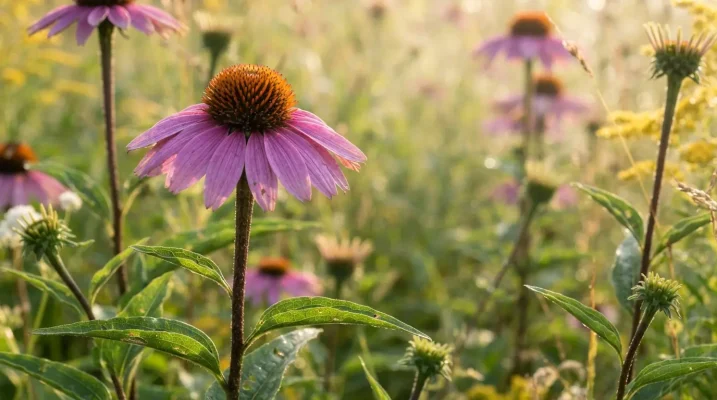
What Is Echinacea: Benefits, Active Compounds, Types, Uses and Who Should Avoid It?
When the cold season arrives, many people add a traditional botanical such as Echinacea to...
Aug
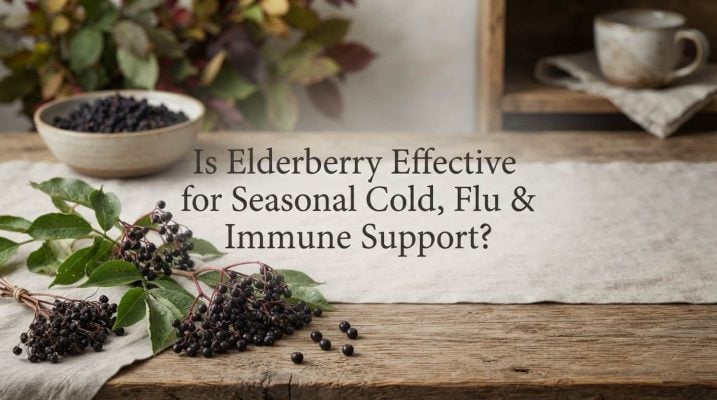
Elderberry (Sambucus nigra): What It’s Used For, Potential Benefits & Safety
Every autumn, the same scene plays out – someone at home starts sniffling. Through the...
Aug
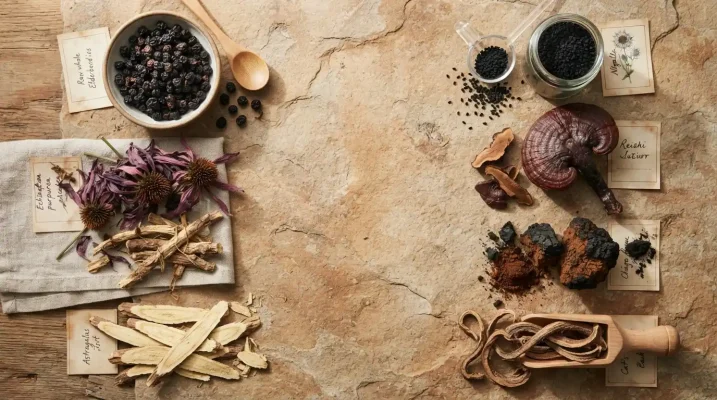
Immune Supporting Herbs: Forms, Uses & Safety Guide
What is an Immune Support Herb? An immune-support herb is a plant traditionally used for...
Aug

Back to School Wellness: A Routine for the Whole School Year
The first bell of the school year changes a household’s routine overnight. Bedtimes shift earlier,...
Aug
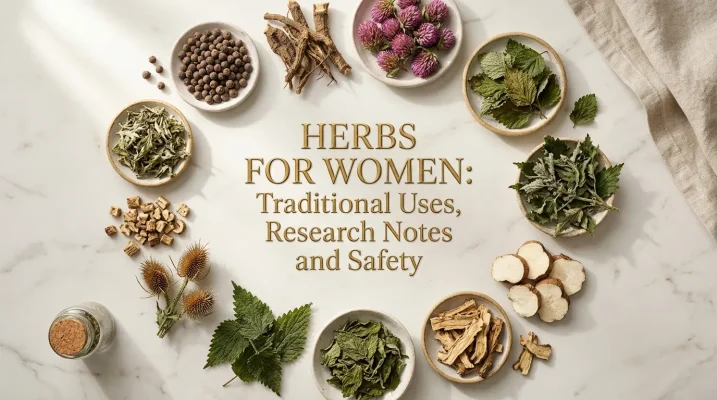
Herbs for Women: Traditional Uses, Research Notes and Safety
Many women wellness seekers search for simple herbs to add to a daily routine. Some...
1 Comment
Aug
Oat Straw Tea: Benefits, Uses & How to Brew and Use Perfectly?
What Is Oat Straw Tea? Oat straw tea is a mild herbal tea made from...
Jul
Shikakai Powder: Benefits, Active Compounds, Uses and Safety
Long before bottled shampoo existed, people in South Asia reached for a dried legume pod...
Jul
Mugwort Tea: Benefits, Brewing, Flavor & the Safety Concern No One’s Telling You
Mugwort tea (Artemisia vulgaris), also known as the “Mother of Herbs,” holds a storied place...
Jul
Wormwood Herb: Benefits, Side Effects, Uses, Compounds & More
Wormwood (Artemisia absinthium) is one of the most famous and intensely bitter herbs in traditional...
Jul

Wheatgrass Juice Powder: Benefits, Nutrients, Uses, Taste Comparison & Buying Guide
In a perfect world, we’d all eat fresh greens every single day. But reality hits...
Jul
Yerba Mate: What Is It, Benefits, Caffeine Amount, and How to Make It
Yerba mate is a traditional caffeinated beverage from South America made from the dried leaves...
Jul

Alligator Pepper: Flavor, Uses, Botanical Profile, Substitute and Buying Tips
If you heard the name “alligator pepper,” what comes to mind? Is it the same...
Jul
Green Black Walnut Hull & Extract (Juglans nigra): Benefits, Uses & How It Differs
When you’re looking for black walnut hull, you quickly notice two very different products. One...
Jul

Fourth of July 2026: History, Traditions, and a Safe, Fun Day
The Fourth of July is easy to picture. The grill is going. Music is playing....
Jun

When Is Juneteenth 2026? Meaning, History, Colors & Herbal Deals
Many people know Juneteenth is a holiday, but they don’t know what to do. They...
Jun