


Bitters
Herb To Body Mushroom Complex Bitters: Ingredients, Uses and How to Take

The Mushroom Complex Bitter blends apoptogenic mushrooms with traditional herbal bitters to restore gut balance, immunity and more. Rich in triterpenes, this powerful synergy supports digestion, strengthens resilience, and enhances overall vitality and digestive wellness.
What Are Mushroom Bitters?
A Mushroom Complex Bitter packs multiple medicinal fungi into one concentrated liquid extract. Close to nature’s multivitamin, and no synthetic lab stuff. Instead, you’re getting bioactive compounds that have supported human health for centuries.
Herb to Body Mushroom Bitter combines a blend of medicinal mushrooms in a traditional herbal formula for daily wellness. It is made with naturally occurring compounds such as triterpenes and polysaccharides, which are valued in mushroom-based preparations.
Unlike single-ingredient supplements, this formula combines mushrooms and bitters in a traditional herbal blend for daily wellness and digestive use. It brings together two long-used botanical categories in a balanced, easy-to-use format.
Are Mushrooms Supposed to Taste Bitter?
Bitterness in mushrooms is pretty normal. Just like various vegetables or herbs, some mushroom species naturally possess bitter compounds as part of their unique flavor profile. For some of the edible varieties, a mild bitterness might even be considered desirable or a characteristic trait.
And here’s where it gets fascinating, you have bitter taste receptors not just on your tongue, but throughout your entire digestive tract – your stomach, intestines, everywhere.
When triterpenes hit those receptors, they trigger a cascade of beneficial reactions:
- Your stomach increases acid production for better digestion.*
- Your gallbladder releases bile to break down fats efficiently.*
- Your pancreas secretes digestive enzymes.*
- Your body absorbs nutrients more effectively.*
- Waste elimination becomes more efficient.*
Herb to Body Mushroom Complex Bitter Ingredients Benefits
Each ingredient in this formula brings its own characteristics and is medically beneficial. Let’s break down what you’re really getting and what makes it special –

Cordyceps: Energy Mushroom*
Cordyceps is often used in wellness routines for natural-feeling energy and stamina support. Many people choose it as part of an active lifestyle or daily vitality blend.*
Lion’s Mane: Brain Health*
Lion’s Mane is traditionally used in formulas focused on cognitive wellness and mental clarity. It is often included in mushroom blends for everyday brain support.*
Reishi: Stress Support*
Reishi is a classic mushroom in traditional wellness practices and is often chosen for calm, balance, and immune-friendly routines. It is commonly used in evening or daily blends.*
Chaga: Cellular Wellness*
Chaga is valued for its naturally occurring antioxidants and long history of use in mushroom-based preparations. It is often included in formulas focused on general wellness.*
Turkey Tail: Digestive & Immune Traditions*
Turkey Tail is widely used in traditional mushroom formulas and is often associated with digestive and immune-friendly wellness routines. It is a popular addition to everyday blends.*
Turmeric: Golden Root*
Turmeric is a familiar botanical used in wellness traditions for its warm, vibrant profile. It is often included in blends for daily routine support.*
Ashwagandha: Daily Balance*
Ashwagandha is commonly used in wellness routines focused on stress balance and everyday resilience. It is a popular herb for people looking for a calming, routine-friendly ingredient.*
33 More Mushrooms and Herbs in the Blend
The formula also includes Shiitake, Maitake, White Button, Oyster Mushroom, Agaricus, and Auricularia heimuer mushrooms for proper immune and vitality support. Then there’s the bitter herbs also give it more strength: Wormwood, Andrographis, Clove, Bitter Melon, and Senna Leaf that specifically target digestive function.
Plus adaptogenic and supportive herbs like Anise, Ashwagandha, Bee Propolis, Black Seed, Burdock Root, Cayenne Pepper, Cinnamon, Dandelion, Dong Quai, Fennel Seed, Fenugreek, Garlic, Ginger Root, Ginseng, Goldenseal, Green Tea Extract, Hibiscus, Irish Moss, Lemon, Licorice, Maca Root, Milk Thistle, Myrrh, Neem, Olive Oil, Oregano, Royal Jelly, Saffron, Saw Palmetto, Tamarind, Tribulus Terrestris, Turmeric Powder and Uva Ursi.
Who Might Use This?
This Mushroom Bitter Herbal Tonic may be a good fit for people looking to support their everyday wellness routine in a simple, plant-based way.
For those with busy schedules
A balanced herbal blend can be a convenient addition to a daily routine when life feels full and fast-paced.
For people who enjoy digestive support
Bitter herbs are traditionally used in formulas that fit into meal-time and after-meal routines.
For those seeking daily vitality
Mushroom and herb blends are often chosen by people who want a steady, routine-friendly wellness product.
For long-term wellness goals
This tonic is designed for people who prefer proactive, daily herbal habits as part of a broader lifestyle.
For mental clarity routines
Some people include mushroom blends in their wellness practices when they want a simple product to support focus and balance.

How to Take?
Start with 1-2 tablespoons you can take straight. Or mix it with water, juice, or even your morning smoothie. The nutrients absorb the same way regardless.
Timing Is Everything:
- Morning: Take it 20-30 minutes before breakfast to jumpstart digestion and set your energy foundation for the day.
- Pre-workout: Some people love it 30 minutes before exercise and some people like to take it after exercise.
- Evening Option: If stress relief is your main goal, an evening dose can support relaxation.*
This herbal tonic doesn’t work instantly. For example if you are going to the gym, one day of workout won’t transform your body, but three months of consistent effort absolutely will. The same principle applies here.
The Bottom Line
Energy levels, mental clarity, digestive function, and immune resilience – these are fundamental things of your life not optional. Choosing the right health choice, your body can thrive; it just needs suitable tools.
Nevertheless, this mushroom complex isn’t an overnight fix. It supports natural functions, potentially leading to energy, clarity, and resilience.
Sources
- The Importance of Edible Medicinal Mushrooms and Their Potential Use – PubMed
- Cordyceps as an Herbal Drug – National Library of Medicine
- Pharmacological and therapeutic potential of Cordyceps with special reference to Cordycepin – National Library of Medicine (NIH Gov)
- Benefits of Reishi Mushroom (Plus Side Effects and Dosage) – Healthline.
- Chaga mushroom: a super-fungus with countless facets and untapped potential – NIH Gov
- Mushrooms as Potential Sources of Active Metabolites and Medicines – PMC NLM
Frequently Asked Questions (FAQ)
Reishi’s bitter flavor comes from triterpenes, such as ganoderic acids, which give it its characteristic profile.*
There are few other options like Amazon, Walmart and few other places to buy. You can find quality mushroom bitters and all types of mushroom herbs Herb to Body and our retailers partners.
Liquids provide better absorption. On the other hand powders are flexible but less potent, requiring digestion for effect.*
Not all types, there are a few types of mushroom those are good for brain. Such as lion’s mane. Also the herb used in Herb to Body Mushroom Complex Bitter like ashwagandha, turmeric are traditionally associated with cognitive wellness.*

Columbus Day 2026: History, Plants of the Columbian Exchange
Many foods and herbs we use today including chili peppers, cacao, vanilla, tomatoes, and potatoes,...
Oct

Vitamin C Powder: Forms, Dosage, Safety, and How to Choose
Vitamin C powder is a dissolvable supplement that is usually made with ascorbic acid or...
Oct

Goldenseal Root: Uses, Dosage, Safety & How to Buy It
What Is Goldenseal Root? Goldenseal root is a bitter yellow herb with a long history...
Oct
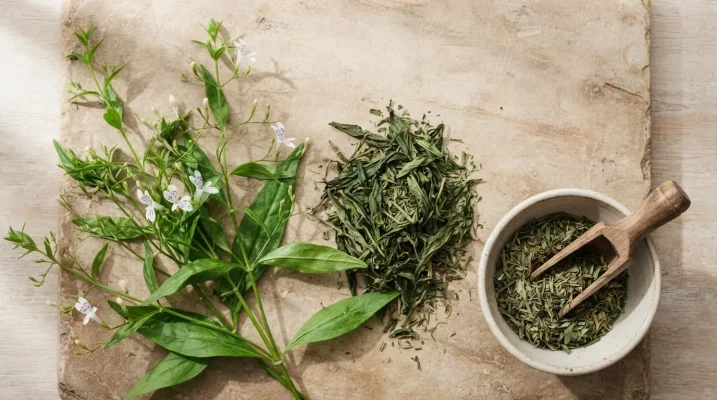
Andrographis Paniculata: Benefits, Herb Profile, Uses, Dosage & Safety
Andrographis paniculata is a bitter medicinal herb from the Acanthaceae family, often called “King of...
Sep

Patriot Day: History, Facts, and 9/11 Remembrance
Patriot Day is a day of remembrance. It is held every year on September 11th...
Sep

Olive Leaf: Benefits, Active Compounds, and How to Use It
We all use or have heard about olive oil. But did you know that the...
Sep
Labor Day Sale: Fresh Fall Botanicals
Update: The Herb To Body Labor Day 2026 sale ended on Monday, September 7, 2026,...
Sep
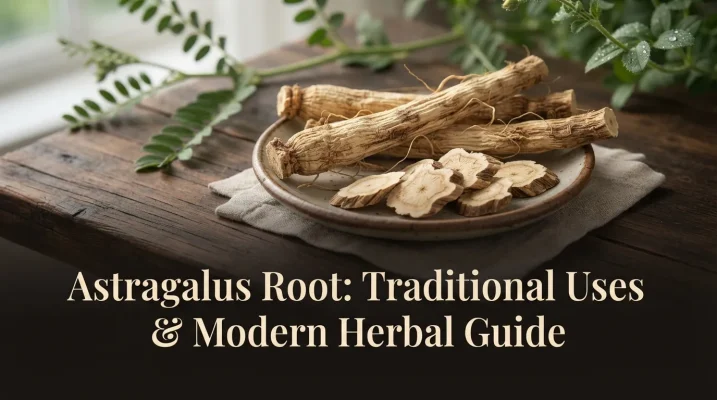
Astragalus Root: Benefits, Uses, Dosage & Safety
Astragalus root, also known as huang qi, comes from a plant in the pea family...
Aug

What Is Echinacea: Benefits, Active Compounds, Types, Uses and Who Should Avoid It?
When the cold season arrives, many people add a traditional botanical such as Echinacea to...
Aug

Elderberry (Sambucus nigra): What It’s Used For, Potential Benefits & Safety
Every autumn, the same scene plays out – someone at home starts sniffling. Through the...
Aug
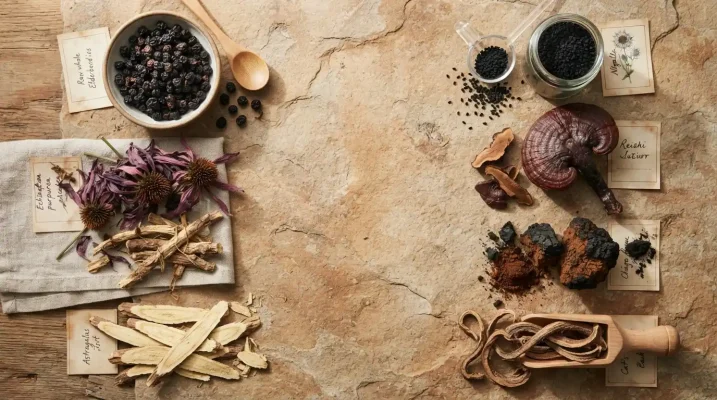
Immune Supporting Herbs: Forms, Uses & Safety Guide
What is an Immune Support Herb? An immune-support herb is a plant traditionally used for...
Aug

Back to School Wellness: A Routine for the Whole School Year
The first bell of the school year changes a household’s routine overnight. Bedtimes shift earlier,...
Aug
Herbs for Women: Traditional Uses, Research Notes and Safety
Many women wellness seekers search for simple herbs to add to a daily routine. Some...
1 Comment
Aug

Oat Straw Tea: Benefits, Uses & How to Brew and Use Perfectly?
What Is Oat Straw Tea? Oat straw tea is a mild herbal tea made from...
Jul
Shikakai Powder: Benefits, Active Compounds, Uses and Safety
Long before bottled shampoo existed, people in South Asia reached for a dried legume pod...
Jul

Mugwort Tea: Benefits, Brewing, Flavor & the Safety Concern No One’s Telling You
Mugwort tea (Artemisia vulgaris), also known as the “Mother of Herbs,” holds a storied place...
Jul

Wormwood Herb: Benefits, Side Effects, Uses, Compounds & More
Wormwood (Artemisia absinthium) is one of the most famous and intensely bitter herbs in traditional...
Jul

Wheatgrass Juice Powder: Benefits, Nutrients, Uses, Taste Comparison & Buying Guide
In a perfect world, we’d all eat fresh greens every single day. But reality hits...
Jul
*These statements have not been evaluated by the Food and Drug Administration. This product is not intended to diagnose, treat, cure, or prevent any disease.