

Herbs
Dried Hibiscus (Roselle): Health Benefits, Uses, & Safety Guide

Dried hibiscus (H. sabdariffa), commonly known as Roselle, has been used for centuries in traditional medicine and is now backed by clinical research for its cardiovascular wellness effects. Beyond its reputation as a healthful tea, hibiscus contains active compounds that can interact with certain medications.
This guide breaks down the science, provides dosage guidance, and explains important considerations for safe use.
What is Dried Hibiscus (Roselle)?
Hibiscus flowers dried part used in tea isn’t the flower – it’s the deep red calyx, the fleshy cup that remains after petals drop. H. sabdariffa, native to West Africa, now grows worldwide in tropical climates.
Active Compounds: The calyx contains powerful polyphenols, particularly anthocyanins (responsible for its deep red color) and protocatechuic acid. These antioxidants may help support healthy blood vessel function and overall cardiovascular wellness.*
Hibiscus Sabdariffa vs. Ornamental Varieties

It is vital to distinguish Roselle from other common species, as they are not used for consumption:
| Species Name | Common Name | Primary Use | Edible Parts |
| Hibiscus sabdariffa | Roselle, Flor de Jamaica | Culinary, Medicinal | Calyces (dried) |
| Hibiscus syriacus | Rose of Sharon | Ornamental Shrub | None |
| Hibiscus rosa-sinensis | Tropical Hibiscus | Ornamental Flower | None |
Health Benefits of Dried Hibiscus
Hibiscus has been studied for its potent health-promoting properties. The primary therapeutic benefits are linked to its exceptionally high concentration of anthocyanins and other powerful polyphenols.*
Here’s what science says.
1. Contains Antioxidants*
Hibiscus has found abundant amounts of antioxidants, particularly anthocyanins, which give it its characteristic deep red color. These compounds help protect your body’s cells from damage caused by free radicals, which contribute to chronic diseases and aging.*
2. May Help in Cardiovascular Wellness*
Multiple studies suggest that hibiscus extract or tea may help support healthy cardiovascular function in some adults.*
This effect is attributed to two key actions:
- Vascular Support: Compounds in hibiscus may help relax blood vessels and support healthy blood flow.*
- Natural Fluid Balance: It may help support the body’s natural ability to maintain healthy fluid balance.*
3. May Support Cholesterol Already Within a Normal Range*
Hibiscus flower powder may help support cardiovascular health. Studies show that drinking hibiscus tea may help maintain healthy cholesterol and triglyceride levels already within the normal range.*
4. Supports Liver Health*
Hibiscus extract may promote liver health by supporting normal liver enzyme function and maintaining normal liver function.*
5. Metabolic Support*
There is evidence that hibiscus extract may help support healthy metabolic function and digestion.*
6. May Promote Collagen Production *
Hibiscus is often nicknamed the “Botox plant” due to its natural firming properties. It is rich in natural alpha-hydroxy acids (AHAs) and antioxidants that can help brighten and smooth the appearance of the skin by supporting cell turnover.*
Hibiscus Nutrition Facts
According to WebMD, one cup of fresh hibiscus calyces contains approximately:
While dried hibiscus will have different values by weight, it remains a caffeine-free, low-calorie way to add vitamins and minerals to your diet.
| Component (1 Cup Fresh Calyces) | Value (Approximate) | Function |
| Calories | 28 | Energy |
| Protein | 0.5g | Muscle and tissue repair |
| Carbohydrates | 6.5g | Energy |
| Vitamin C | Significant Portion of RDI | Immune support, Collagen production |
| Iron | Present | Essential for reducing tiredness and fatigue |
| Calcium | Present | Needed for healthy bones and muscle function |
| Magnesium & Potassium | Present | Electrolytes, support healthy fluid balance and normal cardiovascular function* |
Note: Nutritional values vary between fresh and dried calyces, and infusion methods.
Side Effects & Precautions
- Medication Interactions: Hibiscus may interact with several drug classes. Consult your healthcare professional before adding it to your routine.
- Pregnancy & Breastfeeding: Hibiscus is not recommended during pregnancy as it may stimulate menstruation. Consult your provider if nursing.
- Cardiovascular Wellness: Hibiscus may support healthy cardiovascular function, those taking medications should consult their healthcare professional before use to ensure it is appropriate for their individual needs.*
How to Use Dried Hibiscus Flowers?
Hibiscus is a star in beverages; its most common use is being brewed into tea, known globally by various names.

1. Brewing (Tea & Agua de Jamaica)
This is the most common use. The basic method involves steeping 1-2 teaspoons of dried flowers in a cup of hot water for 5-10 minutes. Hibiscus is the key ingredient in the beloved Mexican Agua de Jamaica. This is often brewed as a concentrate and served over ice.
Read Our Hibiscus Tea Guide: How to Make Hibiscus Tea (3 Ways: Hot, Cold Brew & Agua de Jamaica)
2. Culinary Uses Beyond Beverages
The tart flavor makes hibiscus a fantastic culinary ingredient:
- Jams & Jellies: Its high natural pectin content makes it excellent for fruit preserves.
- Sauces & Syrups: Reduce hibiscus tea with sugar to create a vibrant syrup for pancakes, cocktails, or a savoury glaze for poultry or pork.
- Desserts: Incorporate finely powdered hibiscus into baked goods, sorbets, or frostings for a unique tang and natural pink hue.
- As a Vegetable: In some countries, the rehydrated calyces are chopped and used in salads or even tacos, adding a tart, cranberry-like crunch.
3. Hibiscus for Skincare & DIY Beauty
Hibiscus is often called the “Botox plant” in beauty circles for its natural firming and exfoliating properties. It’s rich in natural acids (AHAs) and antioxidants that can help brighten and smooth the skin.*
You can make simple DIY face masks by mixing strong, cooled hibiscus tea with honey or clay, or use the cooled tea as a hair rinse to add shine.*
Specific Product Variants: Candied, Cut & Sifted, Whole Flowers
Dried hibiscus isn’t a one-size-fits-all product. Different forms cater to different uses:
- Whole Dried Calyces: Intact dried sepals. Ideal for brewing teas and infusions where you want to strain out the solids, or for visual appeal in potpourri.
- Cut & Sifted Dried Hibiscus: Smaller pieces with fine dust removed. Excellent for tea bags, quicker infusions, or culinary applications.
- Powdered Hibiscus: Finely ground hibiscus, perfect for natural food coloring, baking, smoothies, or encapsulating as a supplement.
- Candied Hibiscus Flowers: Whole hibiscus calyces that have been candied. A gourmet treat, often used as a garnish for desserts or beverages.
Sourcing Quality Hibiscus
When purchasing dried hibiscus, look for these quality indicators:
- Appearance: The calyces should be intact, plump, and retain a deep, vibrant ruby-red to dark burgundy color. Avoid dusty or brownish calyces.
- Source: Look for Hibiscus sabdariffa specifically, often labeled as Roselle or Flor de Jamaica. Sourcing from reputable suppliers in regions like West Africa, Mexico, or Sudan often ensures quality and purity.
- Form: Whole Dried Calyces are best for infusions and maximum flavor, while Cut & Sifted are better for tea bags and quicker brewing.
Storing Dried Hibiscus Flowers for Longevity
To maintain the vibrant color and tart aroma of your dried hibiscus:
- Airtight Container: Always store in a sealed, airtight container (glass is ideal to prevent staining and off-tastes).
- Cool, Dark Place: Protect the calyces from direct sunlight, heat, and moisture, which will cause the color and flavor to fade.
- Shelf Life: Properly stored, dried hibiscus can remain potent for up to 1 year. Indicators of staleness include a faded color and a noticeably less tart aroma.
Conclusion
Dried hibiscus offers a range of wellness benefits, including support for healthy cardiovascular function and balanced cholesterol levels already within the normal range. Its vibrant calyces, rich in anthocyanins, also enhance culinary and skincare applications. However, caution is advised due to potential medication interactions.
Source – References
- 7 Medications You Should Never Mix With Hibiscus Tea – Verywell Health.
- Overview, Uses, Side Effects, Precautions, Interactions, Dosing and Reviews – WebMD. HIBISCUS SABDARIFFA.
Disclaimer: *These statements have not been evaluated by the Food and Drug Administration. This product is not intended to diagnose, treat, cure or prevent any disease.

Columbus Day 2026: History, Plants of the Columbian Exchange
Many foods and herbs we use today including chili peppers, cacao, vanilla, tomatoes, and potatoes,...
Oct

Vitamin C Powder: Forms, Dosage, Safety, and How to Choose
Vitamin C powder is a dissolvable supplement that is usually made with ascorbic acid or...
Oct

Goldenseal Root: Uses, Dosage, Safety & How to Buy It
What Is Goldenseal Root? Goldenseal root is a bitter yellow herb with a long history...
Oct
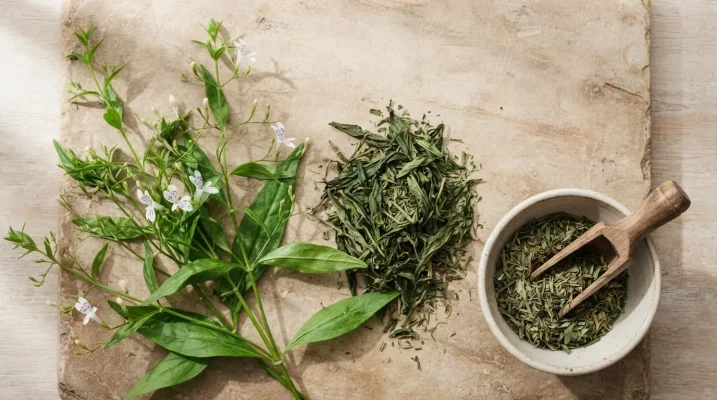
Andrographis Paniculata: Benefits, Herb Profile, Uses, Dosage & Safety
Andrographis paniculata is a bitter medicinal herb from the Acanthaceae family, often called “King of...
Sep

Patriot Day: History, Facts, and 9/11 Remembrance
Patriot Day is a day of remembrance. It is held every year on September 11th...
Sep
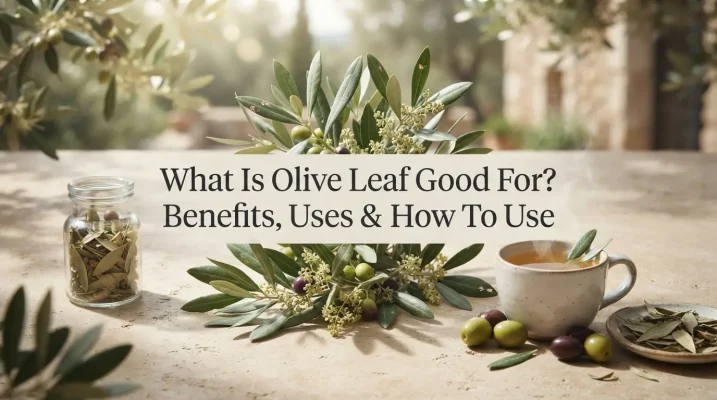
Olive Leaf: Benefits, Active Compounds, and How to Use It
We all use or have heard about olive oil. But did you know that the...
Sep
Labor Day Sale: Fresh Fall Botanicals
Update: The Herb To Body Labor Day 2026 sale ended on Monday, September 7, 2026,...
Sep
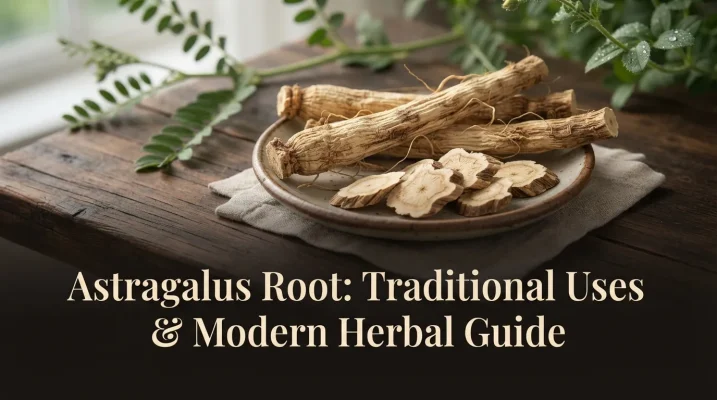
Astragalus Root: Benefits, Uses, Dosage & Safety
Astragalus root, also known as huang qi, comes from a plant in the pea family...
Aug
Thanks for the info on the hibiscus tea
.I’ve been brewing my hibiscus flowers every time making hibiscus tea for my family..THEY LOVE IT!!! I’m going to get more scientific information on this medicinal tree and get started with make America going to using natural hibiscus versus genetic