


We try many drinks or teas, but did you know that most of them don’t just do good? They can harm our bodies. We’ll explore an unfamiliar yet highly beneficial drink: Prekese Herbal Tea, also known as Aidan fruit.
This special tea not only tantalizes your taste buds but also supports your wellness in unexpected ways, from supporting metabolic health to giving your immune system a natural support.
Power of Science Behind Prekese Fruit
Prekese, scientifically known as Tetrapleura tetraptera, is a cherished West African fruit, particularly in Ghana and Nigeria, where it’s often called “Aidan fruit.” Aromatic and deeply flavorful, it’s a traditional culinary staple commonly featured in soups, stews, and soothing herbal teas.

Prekese Fruit’s Hidden Health Benefits: What Research Reveals
The antioxidant content of prekese is very high. It contains vitamins and minerals like vitamin C, potassium, iron, and calcium. Which contributes to its health-promoting properties. Here are some key benefits they are known for
Metabolic & Weight Management: Aidan tea may support healthy metabolism and energy levels, making it a popular choice for those managing their weight.*
Immune System Support: Its high antioxidant content helps neutralize free radicals, reduce oxidative stress, and support immune health, especially during cold seasons.*
Blood Sugar Support: Traditional uses in Nigeria suggest prekese may help maintain healthy blood sugar levels already within the normal range and support insulin sensitivity.*
Cardiovascular Health: Tetrapleura tetraptera tea may help support healthy blood pressure and healthy cardiovascular levels, supporting overall heart health.*
Digestive Health: The tea’s phytochemicals can support digestive comfort and promote regular bowel movements.*
Healthy Inflammatory Response: Compounds in prekese support a healthy inflammatory response, potentially aiding in joint comfort.*
Postpartum Support: In West African traditions, it is used in postpartum soups to support recovery. Rich in iron and calcium, it supports energy levels and bone health.*
Traditional Uses: The fruit is also traditionally noted for its aromatic properties, sometimes used naturally to repel insects.
Discover More About: Prekese Guide – Active Compounds, Identifying Best Form & Safety
Prekese Tea vs. Other Herbal Teas
Let’s dive into what makes this tea special, including its taste and how it stacks up against other herbal teas.
Feature | Prekese | Other Herbal Tea |
| Caffeine Content | Naturally caffeine-free | Varies (e.g., green tea contains caffeine, rooibos does not) |
| Unique Benefits | Metabolic support, Postpartum tradition | Depends on the herb (e.g., chamomile for relaxation, ginger for digestion) |
| Flavor Profile | Sweet, aromatic, spicy undertone | Varies by herb |
| Traditional Uses | West African medicine, cuisine | Global, varies by culture |
How to Make Prekese Herbal Tea?
Preparing prekese aidan fruit drink is very easy and requires minimal ingredients. Below is a basic recipe with variations to enhance flavor:
Basic Recipe
Ingredients
- 1-2 pieces of dried prekese fruit/1 teaspoon of prekese powder.
- 2 cups of water
- Optional: Honey, sugar, lemon slices, or ginger
Instructions
- Rinse the dried prekese to remove impurities.
- Break or crush the fruit to release its flavors.
- Boil 2 cups of water in a saucepan.
- Add the crushed or use prekese powder and simmer for 10-15 minutes.
- Strain the tea into a cup.
- If needed, you can add lemon, honey, or ginger to taste.
Variations
- Prekese Tea with Lemon: Add a lemon slice for a citrusy twist, enhancing flavor and vitamin C content.
- With Ginger Tea: Include grated ginger for warmth and additional digestive benefits.
Storage Tips
- Store dried prekese in an airtight container in a cool, dry place.
- The tea you’ve already made will stay good in the fridge for 3 days.
Side Effects and Precautions
While Aidan is generally considered safe in moderation, there are precautions to keep in mind:
- Moderation: Limit intake to 1-2 cups daily to avoid potential stomach discomfort.
- Medical Consultation: Pregnant or breastfeeding women (despite traditional use) and those with medical conditions should consult a doctor before consumption to ensure safety.
- Allergies: Discontinue use if any reaction occurs.
The Bottom Line
Prekese herbal tea blends West African tradition with modern wellness, offers potential benefits from weight management to immune support. It’s also believed by some that Prekese carries cultural and spiritual significance.*
Its ease of preparation and growing availability make it an appealing choice for health-conscious individuals. Approach its health claims with caution, and enjoy this aromatic tea as part of a balanced lifestyle.
Frequently Asked Questions (FAQ)
A unique blend of sweet and spicy with aromatic woody notes, reminiscent of star anise but with a distinctive African warmth and subtle caramel undertones.
Generally, it is safe when you use moderation, but consult a doctor if pregnant or managing health conditions.
Yes, it’s completely caffeine-free. Known as caffeine-free, best for evening consumption.
Refrigerate prepared tea for up to 3 days; store dried prekese in an airtight container.
Prekese (Tetrapleura tetraptera) is used in West African folk medicine to support everyday vitality and “warm” the body. Animal and laboratory studies have examined prekese antioxidants; human trials are sparse. Boil 5–10 g of dried pods for tea once or twice a day.
Yes, once softened through boiling. It adds flavor, but remove the hard shell parts before eating.
You can buy from Amazon, African markets, or trusted herbal tea sellers like herbtobody.com.
If you find prekese tea’s flavor unappealing, you can enhance it by including ingredients like lemon, honey, ginger, cinnamon, or fresh mint leaves.
Sources
- Tetrapleura tetraptera – Wikipedia
- Health Benefits of Prekese – Right for Education
- 15 Benefits of Prekese – Niyis African Supermarket
- Side Effects of Prekese – 9jafoods
- Health Benefits of Prekese – Dateline Health Africa
Disclaimer: *These statements have not been evaluated by the Food and Drug Administration. This product is not intended to diagnose, treat, cure or prevent any disease.

Columbus Day 2026: History, Plants of the Columbian Exchange
Many foods and herbs we use today including chili peppers, cacao, vanilla, tomatoes, and potatoes,...
Oct

Vitamin C Powder: Forms, Dosage, Safety, and How to Choose
Vitamin C powder is a dissolvable supplement that is usually made with ascorbic acid or...
Oct

Goldenseal Root: Uses, Dosage, Safety & How to Buy It
What Is Goldenseal Root? Goldenseal root is a bitter yellow herb with a long history...
Oct
Andrographis Paniculata: Benefits, Herb Profile, Uses, Dosage & Safety
Andrographis paniculata is a bitter medicinal herb from the Acanthaceae family, often called “King of...
Sep

Patriot Day: History, Facts, and 9/11 Remembrance
Patriot Day is a day of remembrance. It is held every year on September 11th...
Sep

Olive Leaf: Benefits, Active Compounds, and How to Use It
We all use or have heard about olive oil. But did you know that the...
Sep
Labor Day Sale: Fresh Fall Botanicals
Update: The Herb To Body Labor Day 2026 sale ended on Monday, September 7, 2026,...
Sep
Astragalus Root: Benefits, Uses, Dosage & Safety
Astragalus root, also known as huang qi, comes from a plant in the pea family...
Aug

What Is Echinacea: Benefits, Active Compounds, Types, Uses and Who Should Avoid It?
When the cold season arrives, many people add a traditional botanical such as Echinacea to...
Aug

Elderberry (Sambucus nigra): What It’s Used For, Potential Benefits & Safety
Every autumn, the same scene plays out – someone at home starts sniffling. Through the...
Aug
Immune Supporting Herbs: Forms, Uses & Safety Guide
What is an Immune Support Herb? An immune-support herb is a plant traditionally used for...
Aug

Back to School Wellness: A Routine for the Whole School Year
The first bell of the school year changes a household’s routine overnight. Bedtimes shift earlier,...
Aug
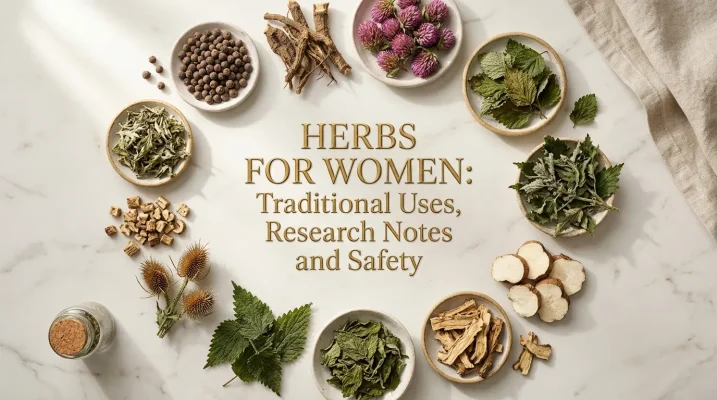
Herbs for Women: Traditional Uses, Research Notes and Safety
Many women wellness seekers search for simple herbs to add to a daily routine. Some...
1 Comment
Aug
Oat Straw Tea: Benefits, Uses & How to Brew and Use Perfectly?
What Is Oat Straw Tea? Oat straw tea is a mild herbal tea made from...
Jul
Shikakai Powder: Benefits, Active Compounds, Uses and Safety
Long before bottled shampoo existed, people in South Asia reached for a dried legume pod...
Jul

Mugwort Tea: Benefits, Brewing, Flavor & the Safety Concern No One’s Telling You
Mugwort tea (Artemisia vulgaris), also known as the “Mother of Herbs,” holds a storied place...
Jul

Wormwood Herb: Benefits, Side Effects, Uses, Compounds & More
Wormwood (Artemisia absinthium) is one of the most famous and intensely bitter herbs in traditional...
Jul
Good