


Amla (Gooseberry), Haircare, herbs and powder
Amla Powder: Benefits, Uses, and Everything You Need to Know

Amla is a truly unique, ancient fruit. Some people call it Indian Gooseberry. For ages, it has been widely valued. This fruit holds a special place in Ayurveda. Many appreciate its potential for well-being.
What is Amla Powder?
Amla, botanically known as Phyllanthus emblica or Emblica officinalis, is a deciduous tree native to India and Southeast Asia. Its fruit, the Indian Gooseberry, is characterized by its sour, pungent, and astringent taste. In Sanskrit, it’s called ‘Amalaki,’ meaning “the sustainer” or “the nurse,” reflecting its esteemed status in traditional medicine systems.
Nutritional Profile of Amla Powder
Amla powder delivers a standout supply of vitamin C, with levels reaching up to 20 times those found in an orange, positioning it among nature’s top sources of ascorbic acid. In addition to vitamin C, it contains various active elements, such as:
- Phenolic elements: Including gallic acid, ellagic acid, and quercetin, which drive much of its antioxidant strength.
- Tannins: These give it a sharp flavor and function as effective antioxidants.
- Pectin: A type of fiber that supports digestive function.
Source: Effect of cultivars, pretreatment and drying on physicochemical properties of Amla
10 Health Benefits of Amla Powder
Here are the top 10 Health Advantages of Amla Powder
1. Strong Antioxidant Power and Vitamin C Supply*
The impressive antioxidant profile of Amla powder helps neutralize free radicals. Its tannins help stabilize the vitamin C, improving its bioavailability. Vitamin C plays a key role in supporting collagen production, which helps keep skin firm and joints flexible.*
Source: Functional and Nutraceutical Significance of Amla
2. Immune System Support*
High Vitamin C is essential for immune function. Regular intake can help support the body’s natural defenses and immune resilience.*
3. Cardiovascular Health*
Studies suggest that Amla powder may help support a healthy lipid profile by maintaining cholesterol and triglyceride levels already within the normal range. It may also contribute to healthy circulation by supporting vascular health.*
4. Metabolic Support
Research suggests that Amla extracts may help maintain healthy blood sugar levels already within the normal range. This effect is attributed to its fiber and antioxidant content, which supports normal digestive function.*
5. Promotes Digestive Regularity*
The pectin fiber in Amla powder helps promote digestive regularity. It is traditionally used to support stomach comfort and maintain a healthy gastrointestinal tract.*
6. Supports Liver Health*
Amla is traditionally valued in Ayurveda for supporting normal liver function. Its potent antioxidants help shield liver cells from oxidative stress, supporting the liver’s natural elimination processes.*
7. Promotes Skin Radiance*
Amla is counted as a natural hair care staple, believed to support hair follicles, promote circulation to the scalp, and support hair strength. Its antioxidants are also thought to help maintain hair pigment.*
Read More: Detail about Amla Powder for Hair
8. Improves Skin Radiance (Internal Use)*
Internal consumption of Amla powder supports the synthesis of collagen due to its high Vitamin C content, which helps maintain skin elasticity. Its antioxidants also support a bright, even complexion.*
9. Healthy Inflammatory Response*
Compounds like gallic acid and ellagic acid in Amla powder help support a healthy inflammatory response to occasional physical stress. This systemic effect contributes to overall wellness.*
10. Supports Eye Health*
Traditional Ayurvedic uses point to Amla’s benefit for vision. Its high Vitamin C and antioxidant content contributes antioxidants that support normal eye health.*
Amla Powder Uses (Internal and Topical)?
Determining the correct dosage depends on the form and desired effect. Always consult a healthcare professional before starting any new supplement regimen.*
How to Store Amla Powder in Proper Way?
For general wellness and immune support, common dosages are:
- Amla Powder (Churna): 1 to 2 teaspoons (3-6 grams) per day, split into one or two doses. Start with 1 teaspoon and gradually increase to assess tolerance.
- Amla Capsules/Extracts: Follow manufacturer’s recommendations, usually ranging from 250 mg to 1000 mg per day, depending on the concentration and standardization.

How to Use Amla Powder (Recipes & Smoothies)
- The Power Smoothie: Mix 1 teaspoon of Amla powder with 1 cup of plain yogurt, 1/2 cup of mixed berries, and a dash of honey to mask the tart flavor.
- Juice Boost: Stir 1/2 teaspoon into a glass of warm water or juice. It is often taken on an empty stomach for maximum absorption.*
Topical Applications (Skin DIY)
- Amla & Honey Brightening Face Mask: Combine 1 tablespoon of Amla powder with 1 tablespoon of raw honey and a few drops of rose water. Apply to a clean face for 15 minutes before rinsing with lukewarm water for a brighter complexion.*
- DIY Amla Powder & Coconut Oil Mask: Mix 2 tablespoons of Amla powder with enough warm coconut oil to form a paste. Apply to the scalp and hair, leave for 30–60 minutes, then wash. Use 1–2 times a week to stimulate growth and reduce fall.*
Side Effects and Who Should Avoid Amla?
Amla powder is well-tolerated. Mild side effects may include digestive upset, such as mild diarrhea, bloating, or stomach discomfort if consumed in large quantities initially.
Individuals who should exercise caution or avoid Amla supplements include:
- Pregnant/Breastfeeding Women: Insufficient scientific evidence exists for high-dose supplement safety. Consultation with a doctor is advised.*
Individuals with Bleeding Disorders: Amla may have mild anti-platelet effects. Discontinue use at least two weeks before any scheduled surgery.*
Lastly, Amla may interact with certain prescription medicines. Speak with your healthcare provider before combining it with any prescription medicine.*
Buyer’s Guide: How to Choose the Best Amla Powder Brand
Choosing the right brand of Amla powder is paramount to achieving the benefits while ensuring safety.
| Form | Pros | Cons |
| Powder | Versatile for topical/internal use, high fiber retained. | Strong tart taste, highest risk of heavy metal contamination. |
| Extract/Capsule | Convenient, tasteless, often standardized for potency. | Lower fiber content, usually higher cost. |
Conclusion
Amla powder may contains nature’s health potential, with a long history of traditional use in Ayurveda. With top vitamin C levels, solid antioxidant action, and broad aid for defenses, gut, hair, skin, and heart function, it qualifies as a notable superfood.
Frequently Asked Questions (FAQ)
Amla powder is generally considered safe for daily consumption in moderate amounts (1–2 teaspoons). However, due to potential interactions with medications, especially prescription medicines, you must consult a healthcare provider first.*
For organic amla powder or conventional one, Herb to Body is the trusted source that you can buy. Trusted by more than 10,000 users.
The highest quality Amla powder is organic, third-party lab tested (especially for heavy metals), and often standardized for active compounds like tannins. Always check the supplier’s Certificate of Analysis (CoA).
In Ayurveda, Amla powder or juice is often recommended to be taken on an empty stomach in the morning for optimal absorption and benefits. If you experience acidity, taking it after a meal is better tolerated.

Columbus Day 2026: History, Plants of the Columbian Exchange
Many foods and herbs we use today including chili peppers, cacao, vanilla, tomatoes, and potatoes,...
Oct

Vitamin C Powder: Forms, Dosage, Safety, and How to Choose
Vitamin C powder is a dissolvable supplement that is usually made with ascorbic acid or...
Oct

Goldenseal Root: Uses, Dosage, Safety & How to Buy It
What Is Goldenseal Root? Goldenseal root is a bitter yellow herb with a long history...
Oct
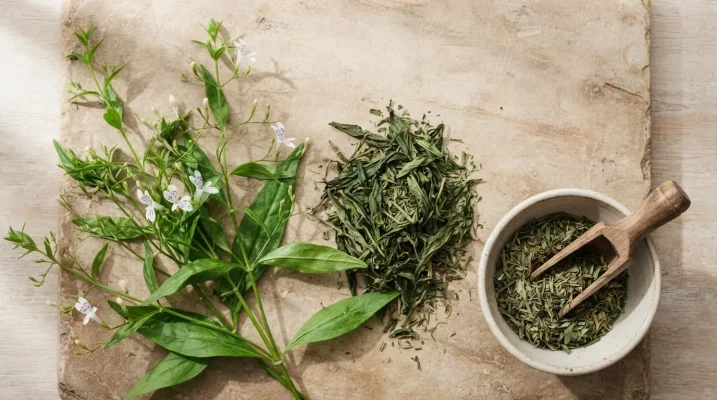
Andrographis Paniculata: Benefits, Herb Profile, Uses, Dosage & Safety
Andrographis paniculata is a bitter medicinal herb from the Acanthaceae family, often called “King of...
Sep

Patriot Day: History, Facts, and 9/11 Remembrance
Patriot Day is a day of remembrance. It is held every year on September 11th...
Sep
Olive Leaf: Benefits, Active Compounds, and How to Use It
We all use or have heard about olive oil. But did you know that the...
Sep
Labor Day Sale: Fresh Fall Botanicals
Update: The Herb To Body Labor Day 2026 sale ended on Monday, September 7, 2026,...
Sep
Astragalus Root: Benefits, Uses, Dosage & Safety
Astragalus root, also known as huang qi, comes from a plant in the pea family...
Aug
What Is Echinacea: Benefits, Active Compounds, Types, Uses and Who Should Avoid It?
When the cold season arrives, many people add a traditional botanical such as Echinacea to...
Aug

Elderberry (Sambucus nigra): What It’s Used For, Potential Benefits & Safety
Every autumn, the same scene plays out – someone at home starts sniffling. Through the...
Aug
Immune Supporting Herbs: Forms, Uses & Safety Guide
What is an Immune Support Herb? An immune-support herb is a plant traditionally used for...
Aug

Back to School Wellness: A Routine for the Whole School Year
The first bell of the school year changes a household’s routine overnight. Bedtimes shift earlier,...
Aug
Herbs for Women: Traditional Uses, Research Notes and Safety
Many women wellness seekers search for simple herbs to add to a daily routine. Some...
1 Comment
Aug
Oat Straw Tea: Benefits, Uses & How to Brew and Use Perfectly?
What Is Oat Straw Tea? Oat straw tea is a mild herbal tea made from...
Jul
Shikakai Powder: Benefits, Active Compounds, Uses and Safety
Long before bottled shampoo existed, people in South Asia reached for a dried legume pod...
Jul
Disclaimer: *These statements have not been evaluated by the Food and Drug Administration. This product is not intended to diagnose, treat, cure or prevent any disease.
I want to purchase alma powder. My search on your site just takes me to moringa powder. Do you sell alma powder?
Im considering adding this to my breakfast cereal consisting of chia seeds, hemp seeds, flaxseeds, wheat germ and oats. Any problem sprinkling on a tsp?