


Health Awareness
5 Herbs That Support Heart Health Naturally
Cardiovascular wellness is something many adults think about as they get older. While prescription medications remain an important part of care for many people, some also look to herbs as part of a broader wellness routine.
We explore five herbs that are traditionally used in heart-conscious wellness practices and are often included in discussions about circulation and cardiovascular support.
Hawthorn
Hawthorn has a long history of traditional use in cardiovascular wellness. Its naturally occurring plant compounds, including flavonoids and procyanidins, have been studied for their role in circulation and general heart support. Hawthorn is also valued for its antioxidant content and long-standing use in herbal preparations.
Garlic
Garlic has been used for centuries as both a food and a traditional herbal ingredient. It contains sulfur compounds such as allicin, which have been widely studied for cardiovascular wellness. Garlic is commonly used as part of a heart-conscious diet and everyday cooking routine.
Hibiscus
Hibiscus is a vibrant flower often prepared as a tart herbal tea. It contains anthocyanins and other plant compounds that are being studied for their effects on circulation and overall wellness. Its refreshing flavor also makes it a popular caffeine-free beverage.
Cinnamon
Cinnamon is a familiar spice often used in cooking, baking, and tea blends. It contains bioactive plant compounds that have attracted interest for their role in general metabolic and cardiovascular wellness. It is best known for its warm flavor and versatility in the kitchen.
Stress-Reducing Practices
While not an herb, stress-reducing practices such as yoga and meditation are often included in wellness routines focused on heart health. These activities may help support relaxation and fit well into a balanced lifestyle. Consistency, sleep, movement, and diet all matter as part of a long-term wellness approach.
It is important to remember that herbs are not a replacement for medical care. The evidence for many herbal options remains preliminary, and individual results can vary. If you take any prescription medication, talk with a qualified healthcare professional before adding new herbs or supplements to your routine.
References
World Health Organization. Cardiovascular health.
FDA Disclaimer:
These statements have not been evaluated by the Food and Drug Administration. This content is for educational purposes only and is not intended to diagnose, treat, cure, or prevent any disease.
Disclaimer: *These statements have not been evaluated by the Food and Drug Administration. This product is not intended to diagnose, treat, cure or prevent any disease.
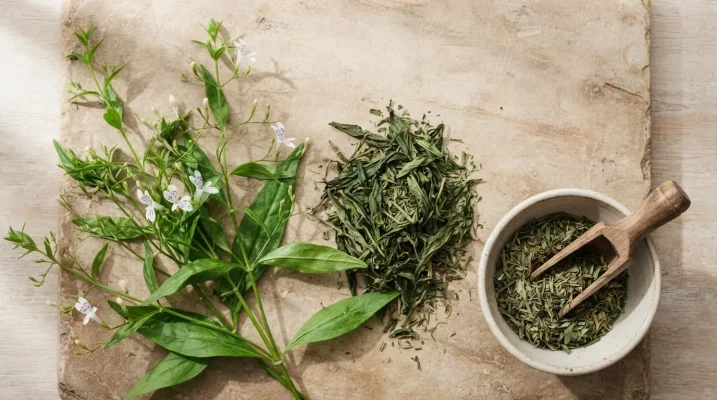
Andrographis Paniculata: Benefits, Herb Profile, Uses, Dosage & Safety
Andrographis paniculata is a bitter medicinal herb from the Acanthaceae family, often called “King of...
09
Sep
Patriot Day: History, Facts, and 9/11 Remembrance
Patriot Day is a day of remembrance. It is held every year on September 11th...
09
Sep
Olive Leaf: Benefits, Active Compounds, and How to Use It
We all use or have heard about olive oil. But did you know that the...
04
Sep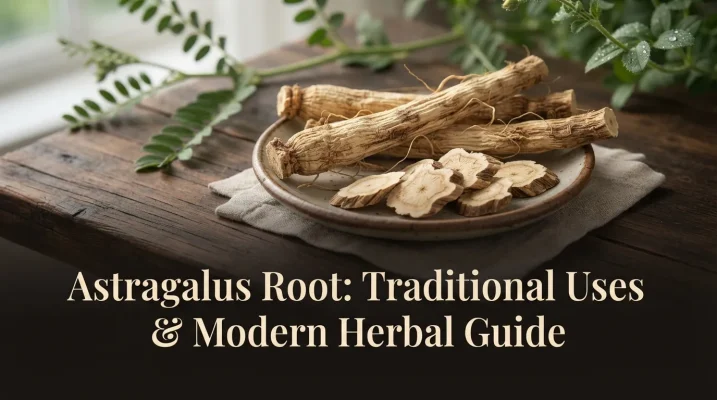
Astragalus Root: Benefits, Uses, Dosage & Safety
Astragalus root, also known as huang qi, comes from a plant in the pea family...
29
Aug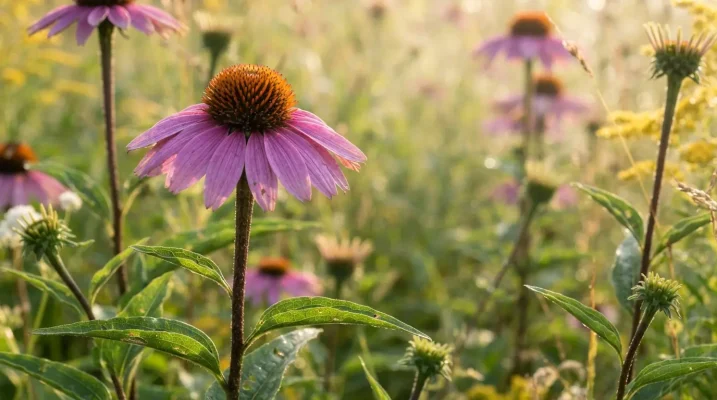
What Is Echinacea: Benefits, Active Compounds, Types, Uses and Who Should Avoid It?
When the cold season arrives, many people add a traditional botanical such as Echinacea to...
25
Aug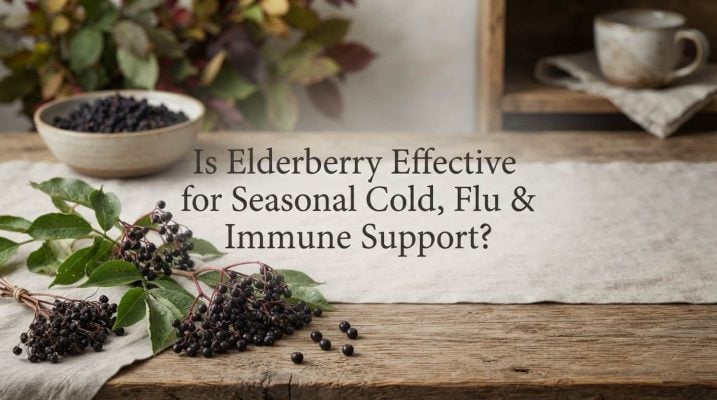
Elderberry (Sambucus nigra): What It’s Used For, Potential Benefits & Safety
Every autumn, the same scene plays out – someone at home starts sniffling. Through the...
19
Aug
Immune Supporting Herbs: Forms, Uses & Safety Guide
What is an Immune Support Herb? An immune-support herb is a plant traditionally used for...
17
Aug
Back to School Wellness: A Routine for the Whole School Year
The first bell of the school year changes a household’s routine overnight. Bedtimes shift earlier,...
13
Aug