

free shipping on orders over $750 dollars • 100% money-back guarantee • over 500 different herbs • secure payment and checkout • Free shipping on
Out of stock
Herbs & Roots
Price range: $8.99 through $12.99
This product has multiple variants. The options may be chosen on the product page

Herbs & Roots
Price range: $9.99 through $22.68
This product has multiple variants. The options may be chosen on the product page
-20%



-20%

-10%

Out of stock
Original price was: $13.00.$11.70Current price is: $11.70.
You're on the list ✓

Out of stock

-20%



Herbs & Roots
Price range: $7.99 through $13.99
This product has multiple variants. The options may be chosen on the product page

-41%

Out of stock
Original price was: $36.34.$21.50Current price is: $21.50.
You're on the list ✓
-20%


Cut & Sifted
Price range: $16.99 through $49.99
This product has multiple variants. The options may be chosen on the product page
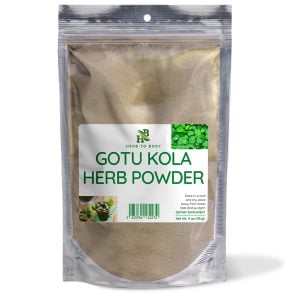
Cognitive Support
Price range: $8.99 through $17.99
This product has multiple variants. The options may be chosen on the product page
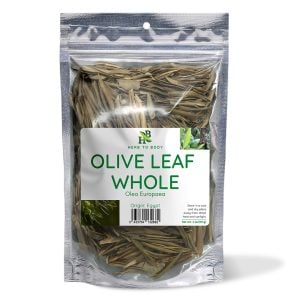
-20%


Herbs & Roots
Price range: $8.99 through $16.99
This product has multiple variants. The options may be chosen on the product page

Out of stock

Cut & Sifted
Price range: $9.99 through $14.99
This product has multiple variants. The options may be chosen on the product page
-28%
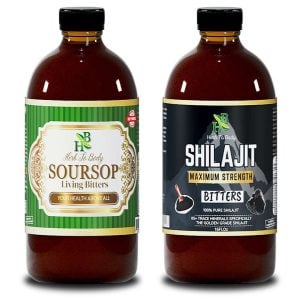
Out of stock
Daily Essentials
Original price was: $70.88.$51.27Current price is: $51.27.
You're on the list ✓
-12%

-20%


Out of stock
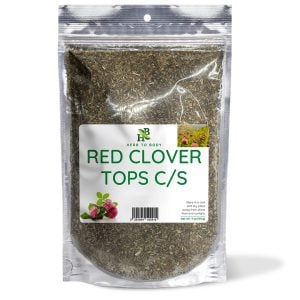
-17%

Out of stock
Cut & Sifted
Original price was: $29.99.$24.90Current price is: $24.90.
You're on the list ✓

Herb to Body Premium Herbs & Roots - Traditional Medicine Meets Science
Rosemary & Beetroot
Rosemary is naturally rich in antioxidant compounds, and beetroot is packed with vibrant phytonutrients. Both are popular ingredients in wellness and culinary traditions worldwide.
Dandelion & Milk Thistle
Staples of traditional European herbalism for centuries, dandelion root and milk thistle remain two of the most recognized plants in the herbal tea and botanical supplement categories.
Rooted in Tradition
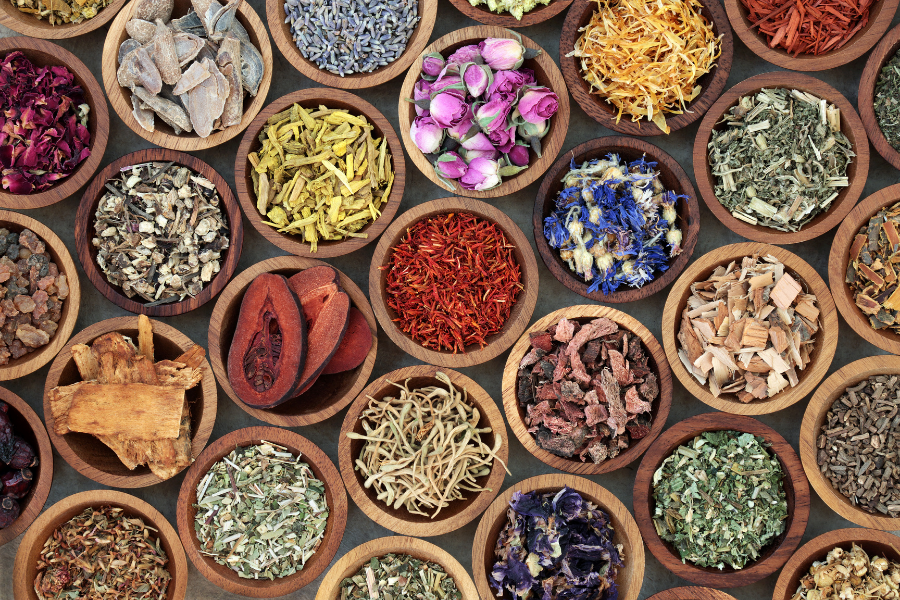
Our collection spans Ayurvedic, East Asian, European, and South American herbal traditions — bringing centuries of botanical wisdom together in one place.
Echinacea & Ginger
Two of the most widely recognized botanicals in traditional herbalism, cherished across cultures for centuries as a staple of everyday wellness
Chamomile & Lavender
A timeless duo in herbal tea and aromatherapy traditions, chamomile and lavender have been used in calming botanical practices for thousands of years.
Turmeric & Peppermint
Turmeric has been a golden staple of Ayurvedic tradition for millennia. Peppermint is a beloved botanical enjoyed in cultures around the world — both are popular in modern daily routines.
Ginseng & Maca Root
Ginseng is one of East Asia's most historically significant plants, while maca root is a treasured superfood from the Peruvian Andes. Both with rich cultural heritages spanning thousands of years.
Maca, Black Cohosh & Chasteberry
These roots and berries have a long history of traditional use among women across various cultures and are among the most-studied botanicals in the wellness space today.
Ginkgo, Rosemary & Bacopa
Ginkgo biloba is one of the oldest tree species on earth. Bacopa has been a cornerstone of Ayurvedic herbalism for millennia. Together with rosemary, these are among the most historically significant botanicals in the world.
Premium Quality Sourcing
Every herb and root is carefully selected for purity and potency — sourced from trusted growers who share our commitment to quality botanical standards.

Who’s It For?
Herb and roots provide numerous benefits for natural wellness, support immunity, cognition, or stress. These plant-based remedies can be tailored to fit your lifestyle and goals.
Holistic Health EnthusiastsPeople who care about nature. Individuals seeking natural, plant-based approaches to wellness who want to integrate non-pharmaceutical methods into daily routines.
Eco-Conscious ConsumersShoppers who care about sustainable, ethically sourced products.
People Looking for Strong ImmunityThose wanting to strengthen their immune system, especially during seasonal changes or periods of high viral exposure.*
Aging Population Seeking Cognitive SupportOlder adults interested in maintaining memory function and reducing age-related cognitive decline through natural neuroprotective agents.*
Stress-Prone ProfessionalsBusy executives, entrepreneurs, or caregivers who require adaptogenic support to maintain resilience and mental clarity.*
How to Use?
Herbs and roots can be enjoyed in many forms—teas, tinctures, powders, and more. Below, you’ll find simple, practical ways to incorporate these natural remedies into your daily routine.
Tea Infusions: Steep fresh dried herbs (e.g., chamomile, peppermint) for 5–10 minutes; use root decoctions (e.g. ginger, turmeric) by simmering for 15–20 minutes to extract active compounds.
Tinctures & Liquid Extracts: Apply standardized liquid extracts (e.g. echinacea, ashwagandha tinctures) by placing drops under the tongue or mixing into water, following label dosage.
Capsules & Powdered Formulas: Use encapsulated powdered herbs (e.g., powdered ashwagandha, maca root) for convenience, take with meals to improve absorption and reduce gastrointestinal upset.
Culinary Integration: Incorporate fresh or dried herbs (rosemary, ginger, garlic) into everyday cooking to gain health benefits along with flavor enhancement.
Essential Oils & Aromatherapy: Diffuse essential oils derived from herbs (lavender, peppermint) to support mental relaxation, or dilute topically for aromatherapeutic benefits.*
Herbal Tincture Stacking: Combine complementary tinctures (e.g., adaptogen blend + calming herb blend) under expert guidance to address multiple concerns without contraindications.

Eco-Friendly Practices Behind Our Herbs & Roots Craftsmanship
For over 3,000 years, cultures across Ancient China, Egypt, Greece, and Medieval Europe have relied on herbs like turmeric, ginger, and sage for their healing properties. This knowledge has been passed down over generations and can be found in old texts and monastic gardens
We honor this rich heritage by combining traditional wisdom with rigorous modern science. Every herb and root we offer undergoes laboratory testing to verify the presence of powerful natural compounds that deliver real health benefits. Our careful processing methods preserve these beneficial properties, ensuring maximum potency in each one.
.
Our process combines respect for traditional uses with modern science. We take special care to process the herbs in a way that keeps their beneficial properties intact. We offer pure, eco-friendly wellness solutions that connect ancient wisdom with today’s health needs.
Sustainability and Ethics
- Pure and Natural: All of our herbs and roots come from pure nature
- Transpancy: All of roots and herbs of Herb to Body are third-party certifications that verify traceability, ethical labor, and environmental stewardship from seed to shelf.
- Every leaves and roots are pure: We collect through our suppliers without using any harmful pesticides to protect soil and keep our food healthy.
- Wildcrafting vs. Cultivation: We prioritize sustainably cultivated herbs and roots over wild-harvested varieties to prevent overharvesting and maintain ecosystem balance.
- Fair-Trade Sourcing: Herb to Body worked with the suppliers committed to fair wages and safe working conditions for harvesters, ensuring socioeconomic benefits to local communities.

Historical Context of Herbs & Roots
- Ancient Traditional Medicine: Civilizations in China (Huangdi Neijing), India (Ayurveda), and Egypt documented herbal remedies (e.g., turmeric, ginger, garlic) over 3,000 years ago for various ailments.
- Greek and Roman Practices: In ancient times, people in Greece and Rome used herbs like rosemary to help with digestion and boost immunity. These natural remedies were an important part of their daily lives and health practices.
- Medieval Europe (c. 1000): During the Medieval period in Europe, around the year 1000, monasteries cultivated herbs, such as sage. Monks and nuns combined traditional beliefs and stories about plants with new scientific knowledge to better understand their uses.
- In the 20th century: People's interest in natural health led to a renewed focus on herbal remedies. Research validated the benefits of many herbs, integrating them into alternative medicine practices.

Science Behind Herbs & Roots
- Rich in Natural Compounds: Herbs and roots contain compounds like flavonoids, alkaloids, and terpenes. These work together to give plants their healing properties.*
- How They Fight Inflammation: Compounds in turmeric (curcumin) or ginger (gingerol) good against enzymes that cause swelling. This may help in reduce joint pain and other inflammation.*
- Mechanisms of Action: Anti-inflammatory activity often derives from COX-2 inhibition (e.g., curcumin in turmeric), while antioxidant effects spring from free-radical scavenging (e.g., gingerol in ginger).*
- How They Work: Adaptogens, possibly regulate stress in the body.*
- Power of Roots: Roots have the capability to provide prebiotic fibers and bioactive compounds, may nourishing beneficial gut bacteria and enhancing digestion, nutrient absorption, and immunity.*
Product Information
01
*These statements have not been evaluated by the Food and Drug Administration. This product is not intended to diagnose, treat, cure or prevent any disease.
02
This is a natural product; color may vary from batch to batch due to seasonal and sourcing differences, but quality remains the same.
03
Product origins may vary based on seasonal availability and sourcing. The listed origin may not always reflect the most current batch — the current origin and batch number are printed directly on the product label. Contact us if you need origin confirmation before purchasing.
04
CALIFORNIA WARNING: Consuming this product can expose you to chemicals including Lead and lead compounds, which are known to the State of California to cause cancer and birth defects or other reproductive harm. For more information go to www.P65Warnings.ca.gov/food.
Frequently Asked Questions
What is an herb?
Herb is a plant known for its flavor, aroma, or medicinal properties, commonly used in cooking, aromatherapy, or herbal remedies.
What herbs lower blood pressure?
Herbs like basil and parsley can help lower blood pressure due to their natural compounds that support cardiovascular health.*
What makes herb to body herbs and roots unique?
Our collection features over 500+ sustainably sourced, non-GMO botanicals, rigorously tested for purity and potency. From Elderberry to Maca Root, each product is crafted to deliver targeted benefits without additives.
Are your herbs and roots made in the USA?
All herbs are processed in FDA-registered, GMP-certified facilities, ensuring quality and safety.*
What are the best herbs for inflammation?
Some powerful herbs that help to reduce inflammation, like turmeric, ginger, green tea, clove, cinnamon.*
Can herbs replace prescription medication?
Herbs can support health, but they should not replace prescription medication without medical guidance. Some herbs may complement treatment, but you must consult with a health expert to avoid interactions or complications.*
Are herbs vegetables?
No, herbs are not vegetables. They are distinct plants used primarily for seasoning or healing, rather than as a primary food source.
What are affordable adaptogenic herbs for stress relief?
Affordable adaptogenic herbs include:
- Ashwagandha: Reduces cortisol levels.*
- Rhodiola: Boosts resilience to stress.*
- Holy Basil: Calms the mind and body.*
- Natural Adaptogenic Roots: Used for Energy.*
Where should i buy herb and root?
You can purchase herbs and roots from different sources, both online and in-store. Herb to Body proudly offers a curated selection of over 500+ premium herbs and roots to support your wellness journey.
What are the most powerful herbs for health?
Some of the most powerful herbs for health include turmeric, ashwagandha, ginger, ginseng, and garlic for their anti-inflammatory, immune-boosting, and adaptogenic properties. These herbs support energy, digestion, stress relief naturally.*
Do you use artificial ingredients or fillers?
No. Our herbs and roots are 100% natural, with no added sugars, preservatives, or synthetic additives.
Which herbs are safe for daily use?
Common herbs safe for daily use include turmeric, ginger, ashwagandha, tulsi leaf, and peppermint, when taken in moderate amounts. Still, individual tolerance and health conditions vary, so professional advice is recommended.*


&url=https://herbtobody.com/p/pau-darco-bark-4oz/&media=https://herbtobody.com/wp-content/uploads/2021/03/Pau-Darco-Bark-CS-4oz-1-800x800.jpg)


%20Inner%20Bark&url=https://herbtobody.com/p/slippery-elm-bark-c-s-4oz/&media=https://herbtobody.com/wp-content/uploads/2021/03/Slippery-Elm-Bark-CS-4oz-800x800.jpg)


%20C/S%20–%204%20oz%20and%201lb&url=https://herbtobody.com/p/shavegrass-c-s-4oz/&media=https://herbtobody.com/wp-content/uploads/2021/03/Shavegrass-Horsetail-CS-4oz-800x800.jpg)


Apply for Wholesale
We welcome partnerships with retailers who share our passion for natural wellness. To apply for wholesale, visit our Wholesale Application Page and complete the form with your business details. Once your application is reviewed and approved, you’ll gain access to exclusive pricing, bulk ordering, and dedicated support.
Start now